


Gorchittza2012/Getty Images
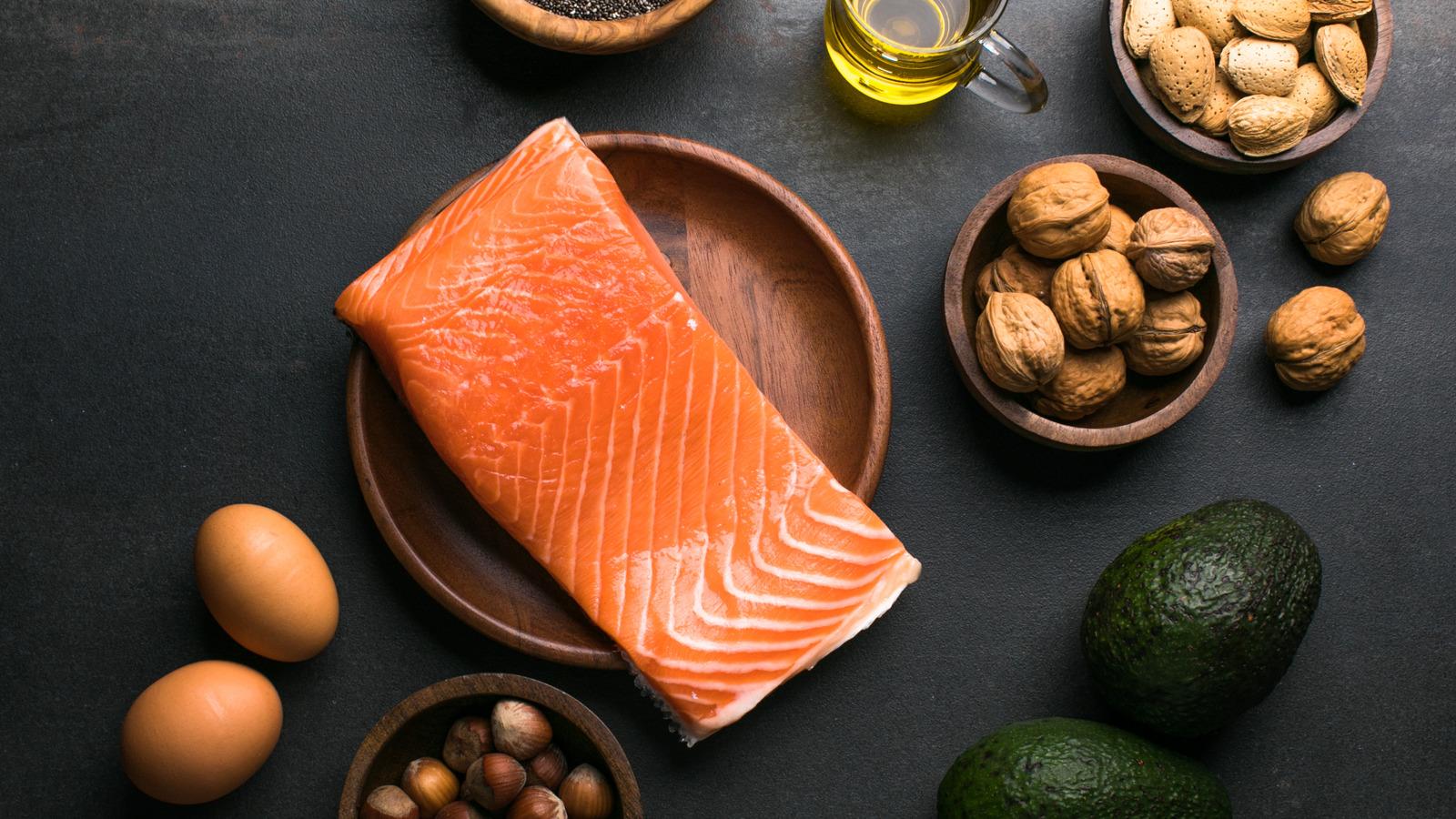
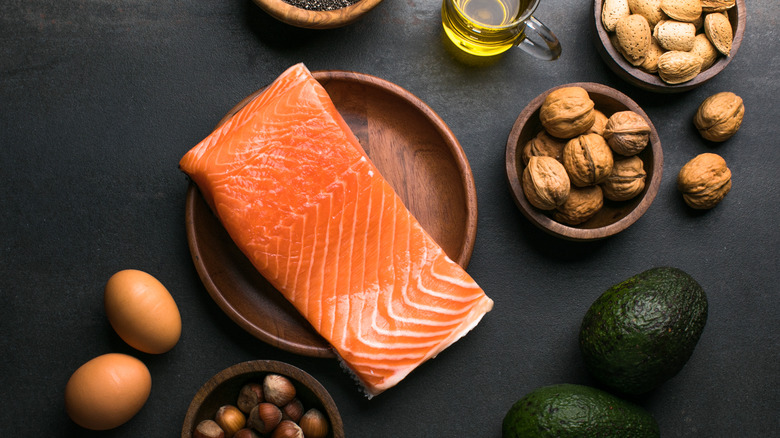
As you have likely heard, omega-3s are one reason why you should start eating more salmon, but the fish isn't the only source for healthy fats. Technically, while you can get more omega-3s through chia seeds, walnuts, and cod liver oil, it's not as simple as just eating nuts and seeds to replace omega-3-rich fish.
Omega-3 fatty acids are essential, meaning your body needs them and they must come from food. They help nearly every cell in your body and improve how organs function, from your eyes and joints to your heart and brain. They even aid in fetal development when you are pregnant. Omega-3s are recommended for preventing chronic diseases, like cardiovascular disease, lupus, Crohn's disease, and even asthma and depression.
There are three types of omega-3s: ALA, DHA, and EPA. ALA, a fatty acid found in seeds, nuts, and some leafy vegetables, must be converted in the body to obtain DHA and EPA, and the body does this poorly — less than 15% of ALA can be converted. Therefore, DHA and EPA must be consumed via foods that have it readily available, like fish and fish or krill oil. But if you don't enjoy salmon or like eating fish, consider these other foods that might help you achieve the amount of omega-3s your body needs.
Chia seeds
Karisssa/Getty Images
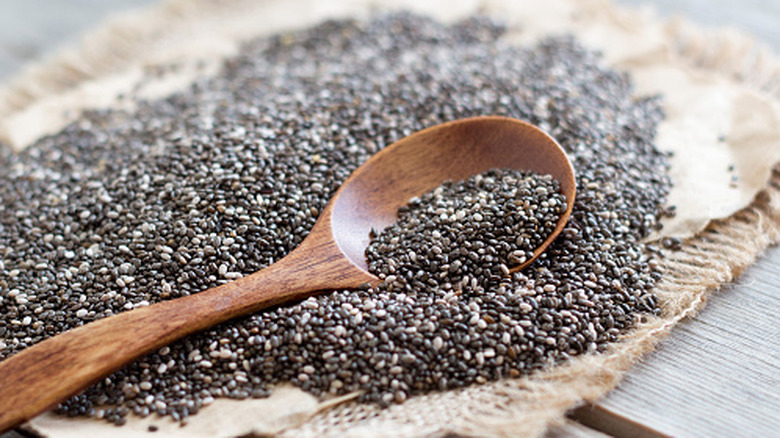
Chia seeds pack a lot of punch into their tiny size, serving up 5.6 grams in ALA omega-3s per one ounce (converting to about .84 grams of usable DHA and EPA), compared to salmon's roughly 1.7 grams of DHA and EPA per three ounces. Comparing equally, three ounces of chia seeds potentially gives you 2.52 grams of usable omega-3s.
Chia seeds are a superfood and great source of plant-based protein. They also add fiber to your diet, as well as minerals like calcium, magnesium, manganese, and potassium. The health benefits of chia seeds range from lowering blood pressure and cholesterol to preventing diabetes and reducing inflammation, and even potentially preventing certain cancers.
Chia seeds are also rich in texture, adding crunch when you toss them into a salad. They also plump up for a smoother feel, almost like pudding, when you soak them in a liquid. Add some chia seeds to your smoothie or oats or try making a chia seed jam to start your morning off with a mega-dose of ALA omega-3s.
English walnuts
triocean/Shutterstock
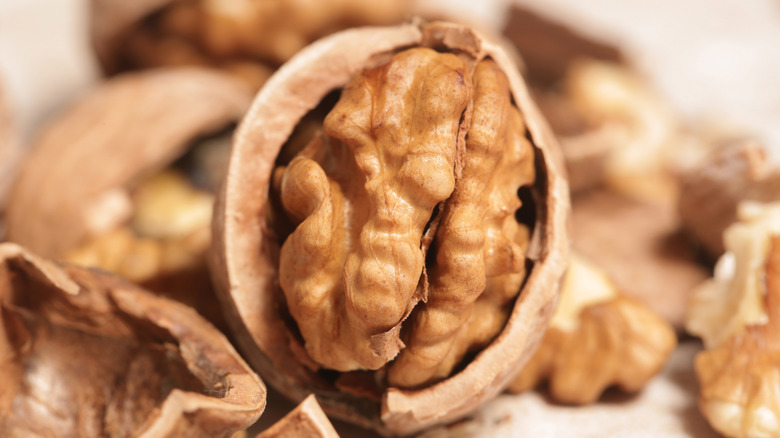
Nuts are known to be highly nutritious, but the only one that tops salmon in terms of omega-3 content is English walnuts. About 7 walnuts (which is considered a one-ounce serving) give you 2.6 grams in ALA omega-3s, whereas one ounce of salmon provides only .57 grams. However, walnuts offer roughly .39 grams of usable DHA and EPA, while salmon's omega-3s are readily available. Walnuts are rich in copper, manganese, and vitamin E, and they are a great source of fiber. The nutritious nut is great for your heart, brain, and gut, and has even been shown to reduce cancer risks.
The ALA omega-3 advantage is a major difference between pecans and walnuts, as walnuts offer 10 times the amount of omega-3s compared to pecans, which are the second-place nut for fatty acids. This might be enough to make you reprioritize those nut-based recipes you can't wait to get cracking on. We think this apple walnut salad recipe for lunch sounds even more appetizing.
Cod liver oil
Pawel Kacperek/Getty Images
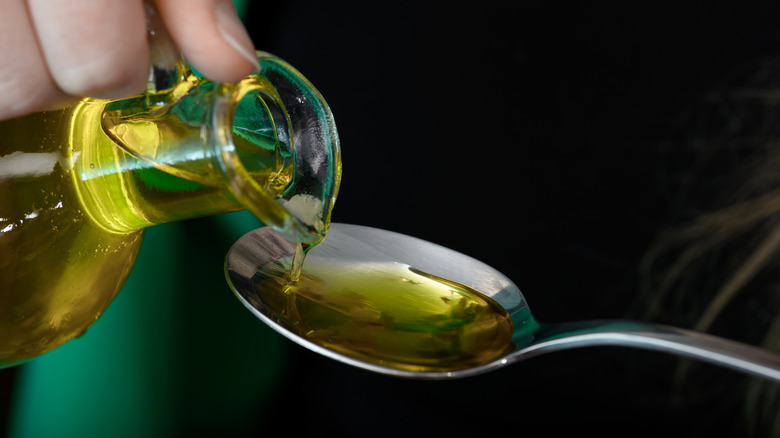
With 2.4 grams of omega-3s per serving, cod liver oil is one of the most nutritious oils you can add to your diet for reaching omega-3 goals, surpassing salmon's serving size amount. In just one tablespoon, you can also get 170% of your recommended intake of vitamin D and more than 450% of your daily vitamin A needs. However, too much vitamin A is dangerous and can lead to hypervitaminosis A, which can be harmful to the body, resulting in liver damage and blurred vision.
Cod liver oil is good for your heart, bones, immunity, and brain function, which makes a great case for adding canned cod liver to deviled eggs or to recreate what a common breakfast looks like in Iceland. Cod liver or its oil can be added to salad dressings, sauces, and soups, as well as smoothies and even baked goods. But be careful you don't overdo it because a little goes a long way.

 English
 French
 Spanish
 Portuguese
 Deutsch
 Turkish
 Dutch
Dutch
 Italiano
 Russian
 Romaian
 Portuguese (Brazil)
 Greek
Greek