


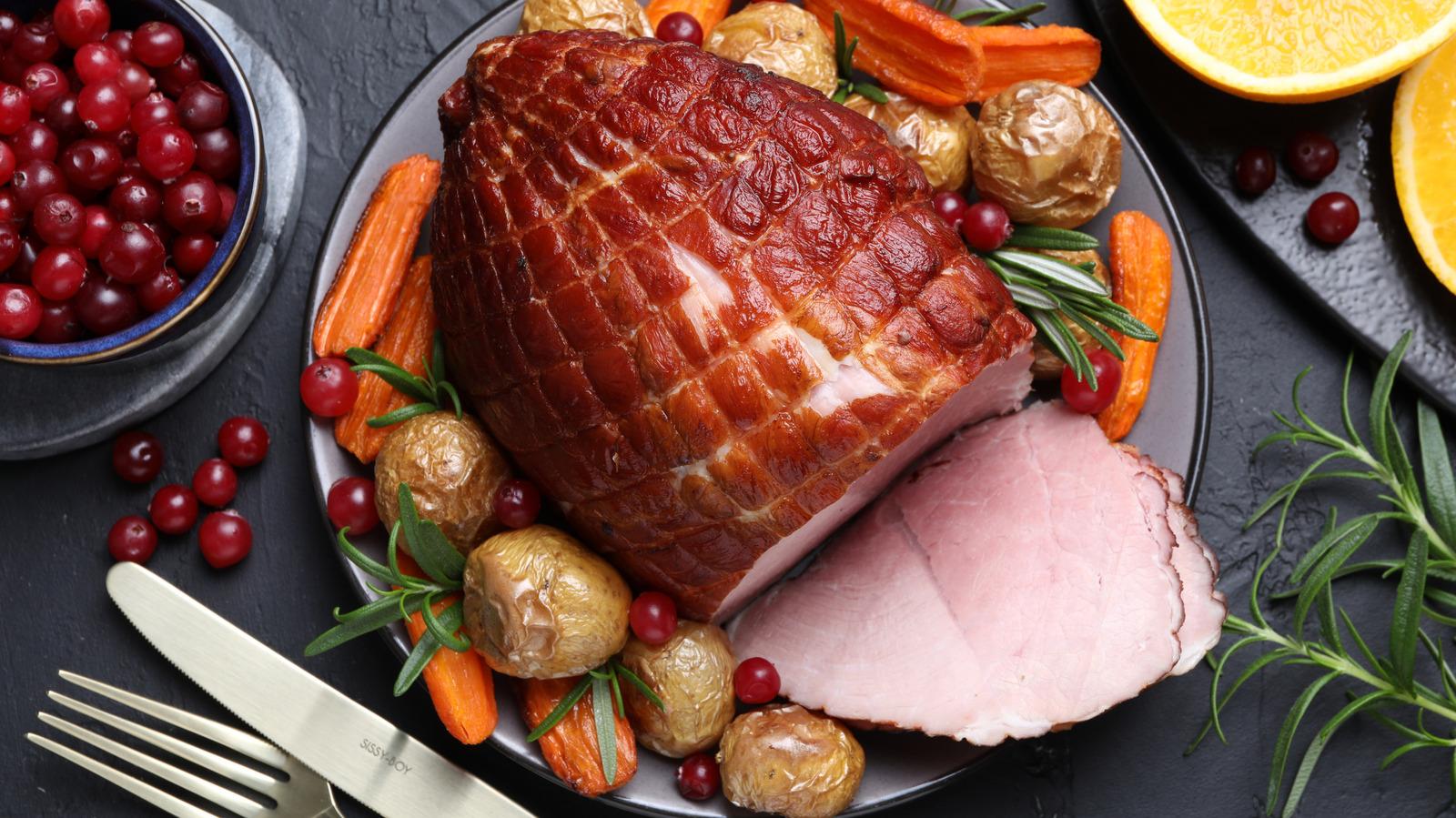
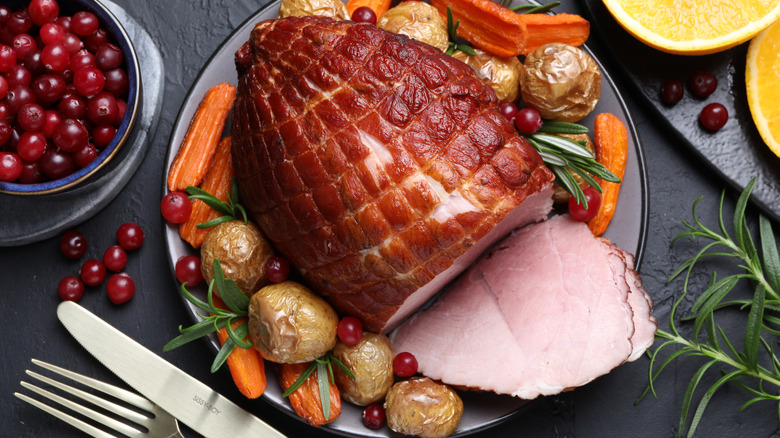
Olga Yastremska/Getty Images
Ham is a delicious protein option that is as much a staple at holiday meals as it is for daily lunches, charcuterie boards, and everyday cooking. That's why this popular protein is among the top processed pork products in the U.S.
And to many, ham is ham. But the quality can vary drastically from brand to brand, and it's not all created equal. Differences in how the animals are raised, ingredients used during processing and curing, and the use of preservatives and additives can all impact the overall taste, texture, and quality of meat.
Luckily, there are plenty of brands that prioritize high-quality ham, focusing on animal welfare, nutritious, whole ingredients, and time-tested curing methods. From whole, smoked, bone-in hams ideal for holiday tables to pre-packaged sliced deli meat perfect for sandwiches, there's something for everyone. Read on to discover which ham brands use the highest quality ingredients, and which you should avoid.
High quality: Snake River Farms
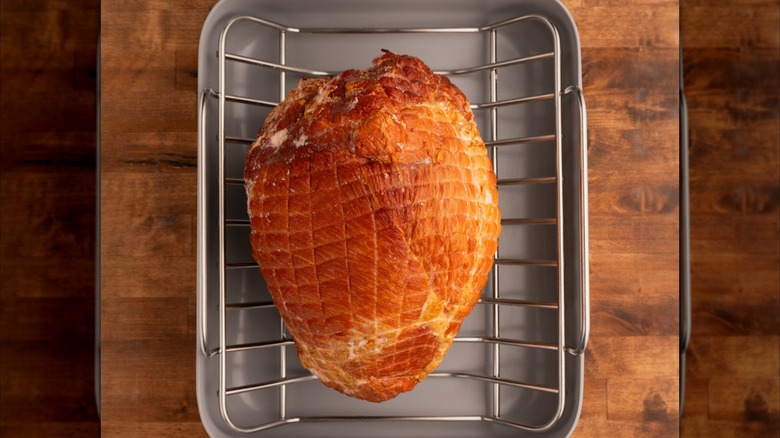
Snake River Farms
Though Snake River Farms may be known as America's number one producer of Wagyu beef, don't overlook its ham selection. The Idaho-based farm has been in operation for nearly six decades, perfecting the process and ingredients used to create its high-quality products.
Snake River offers Kurobuta pork, which many call the pork equivalent of Wagyu. The premium meat from Berkshire pigs is defined by evenly marbled fat that results in a tender and juicy final product. The brand offers both bone-in and boneless hams in half and whole sizes, allowing customers to choose the best style and quantity for their needs.
All of the animals are raised on small family farms and fed using a natural, slow-feed process free of hormones to help nurture the most delicious pork possible. Regardless of which ham you choose, all Snake River Farms hams are made using a special curing process and smoked using real hardwood to give a distinct, smoky flavor. The hams are also fully cooked, so they're ready to serve and eat as soon as they arrive for unmatched convenience.
High quality: Omaha Steaks
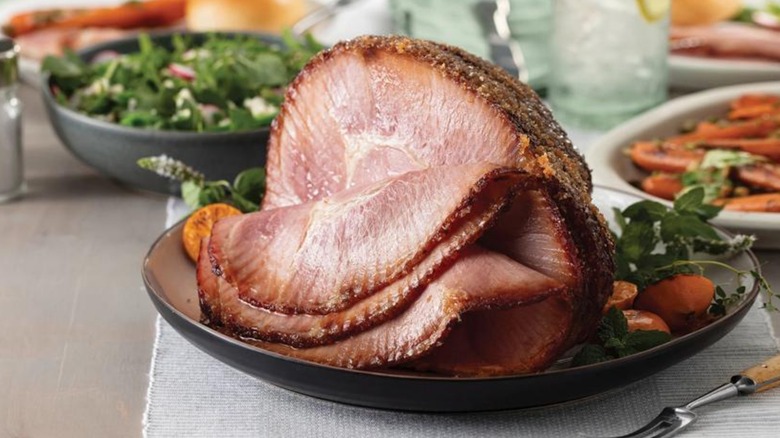
Omaha Steaks
Omaha Steaks has been delivering high-quality products since 1917. Though best known for steak (as the name implies), this family-operated brand also has three hams to choose from: Classic spiral-sliced, pecanwood-smoked, or Duroc boneless country. Each has its own accolades; the spiral ham is a premium cut with no water added and a real brown-sugar glaze. The pecanwood-smoked choice is a flank cut with abundant marbling, made without nitrates or nitrites and smoked using real wood chips. Lastly, the Duroc ham is cut from a heritage pork breed, cured with minimal ingredients like water, salt, and sugar, and finally slow-smoked.
All three hams are affordably priced and receive high praise from customers for their taste and texture. Another major pro that reviewers mention for Omaha Steak across the board is ease. Simply place an order online, and the ham will show up fully prepared right on your doorstep. All three varieties can be served both hot and cold, eaten as-is, or used in these need-to-try ham recipes. It's a winning combo of quality and convenience.
Avoid: The Honey Baked Ham Co.
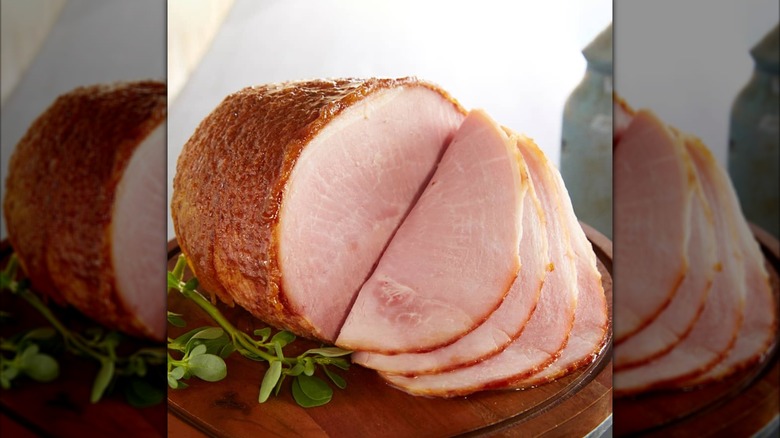
The Honey Baked Ham Co.
The Honey Baked Ham Company's signature bone-in and boneless hams may taste delicious according to customers, and its patented spiral-cut style makes serving easier than ever. But the meat's signature sweet flavor is hiding some unwanted additives. The company is not transparent on its website about ingredients, but customer product photos show labels including preservatives like sodium nitrate, which many people try to avoid. This additive is a natural part of our diets, but consuming it in excess can lead to serious health conditions like cancer or heart disease. The real concern with this pork product, however, is the high sodium content. Just a single 3-ounce serving of boneless ham contains 1,180 milligrams of sodium, or 51% of your daily recommended intake.
Also, despite the name, Honey Baked Ham's products may not include just honey in the seasoning. Instead, some ingredient labels list sugar and additives to achieve or boost a honey-like taste. The brand is also missing the animal welfare labels that several other high-quality ham companies tout. Though some people swear by this product for holidays and family gatherings, it doesn't score high marks for many others when it comes to quality.
High quality: Boar's Head
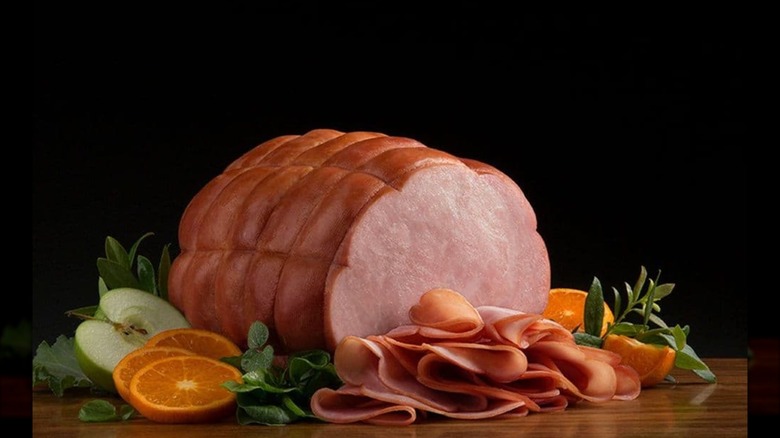
Boar's Head
Boar's Head sits at the intersection of variety and quality. The iconic brand was founded over a century ago by Frank Brunckhorst to improve the quality of hams available on the market — and the company has maintained a commitment to superior products ever since.
Boar's Head has plenty of ham products to choose from: Black Forest, Sweet Slice boneless, brown sugar and spice, maple glazed, and more. One thing all of the hams have in common, however, is that they're made with premium ingredients; they're all free of gluten, artificial colors, flavors, MSG, fillers, by-products, or trans fat. The pigs are also raised without added hormones, offering a more natural alternative to highly processed deli meats. Boar's Head even has an entire section on its site dedicated to lower-sodium, sugar-free, and American Heart Association-aligned options.
While most of its pork products are available sliced at the deli counter for sandwiches, you can also opt for a whole or half ham as a more traditional holiday centerpiece (and the ensuing best ways to use leftover ham). Whichever style and preparation you choose, however, it's bound to be fresh and flavorful.
High quality: Harry & David
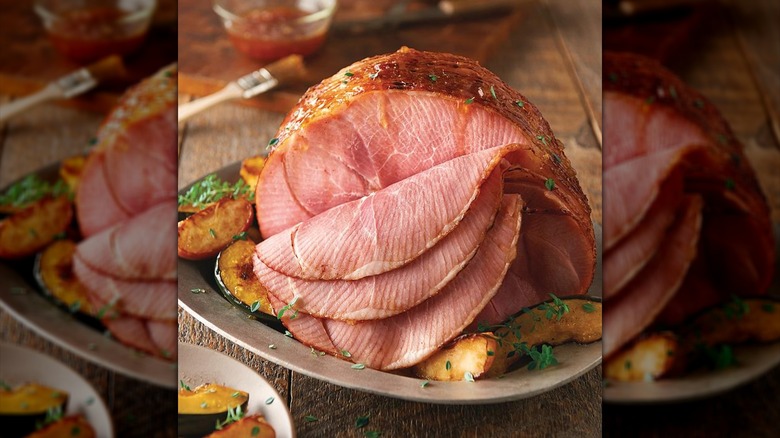
Harry & David
While pears and opulent gift baskets might be best known as Harry & David's signature products, don't overlook the ham selection. The brand's spiral-sliced or boneless carving hams are perfect for family gatherings or holidays like Easter and Christmas, and many customers note the products are a delicious way to feed a crowd.
The carving ham is from Duroc heritage hogs raised without antibiotics, hormones, or steroids. The spiral option is double-smoked over real hardwood, without any artificial smoke or added water. That means that, not only do these hams taste good, but they're also made without unnecessary additives or artificial ingredients.
You can buy the hams alone, or pair them with Harry & David's gourmet sides like mac and cheese, green beans, and apple galette, or even an entire brunch spread that has high customer praise. Whatever the occasion, the brand has a prepared meal — with high-quality ham included — ready to go.
Avoid: Oscar Mayer
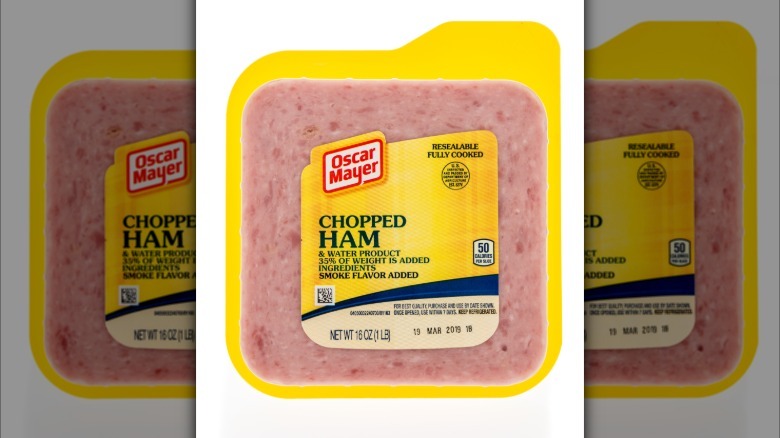
Keith Homan/Shutterstock
Oscar Mayer has a storied history. The brand's eponymous founder opened his first shop in 1883, and the company has been selling meat ever since. Though the iconic hot dogs (and Oscar Mayer's equally iconic Wienermobile) may be a nostalgic indulgence for many, it's probably best to bypass the brand's ham products. While there are several varieties to choose from, including chopped, smoked, and uncured hams and a ham and cheese meat loaf, they're all packed with sodium and additives.
For example, a single slice of the chopped ham alone has 11% of your daily sodium intake, and corn syrup is the third item in the ingredient list. It also has tons of preservatives like sodium nitrite and artificial flavors. The smoked, uncured ham similarly delivers 500 milligrams of sodium (21% of your daily value) in a 2-ounce serving, along with 2 grams of sugar and preservatives like sodium phosphates.
As a massive brand owned by Kraft, Oscar Mayer also offers little transparency on where its pork is sourced or how it is raised. While the company's ham may be convenient because of its availability and long shelf life, if you're looking for fresh and healthy pork products, it's best to look elsewhere.
High quality: Niman Ranch
Niman Ranch
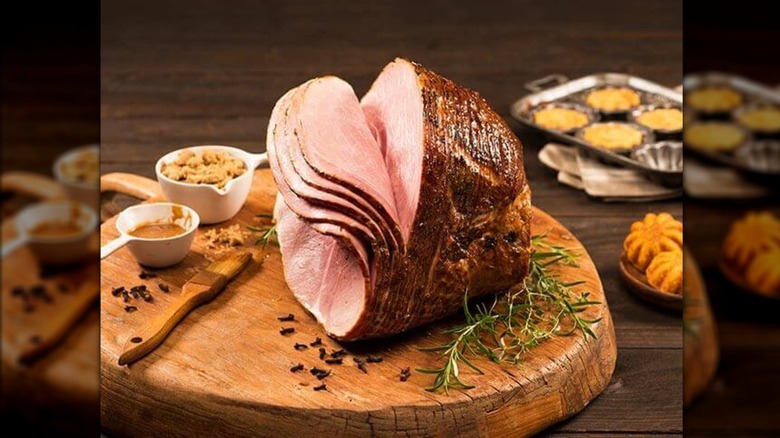
Niman Ranch prides itself on its commitment to humane and sustainable livestock. The brand, which partners with a network of family farmers and ranchers, uses only top-of-the-line agricultural practices, including raising animals outdoors or in deeply bedded pens. All animals are raised under strict welfare protocols and fed 100% vegetarian diets and never given antibiotics or added hormones.
The result is high-quality meats of all kinds. While Niman Ranch may be best known for its beef and burgers, don't miss out on the ham that customers praise. Like all of the brand's products, the ham touts the Certified Humane label, and you can even check out the company's transparent raising practices on its website.
Free of gluten, nitrates, and nitrites, the ham is smoked over real applewood for up to 12 hours, infusing the meat with delicious flavor. It's then seasoned with salt, sugar, and maple to achieve the perfect balance of sweet and savory flavors. Shoppers can choose from several different styles and sizes — including bone-in half spiral, boneless uncured, or even ham steaks — to experience the Niman Ranch quality for themselves.
Avoid: Goya
Goya
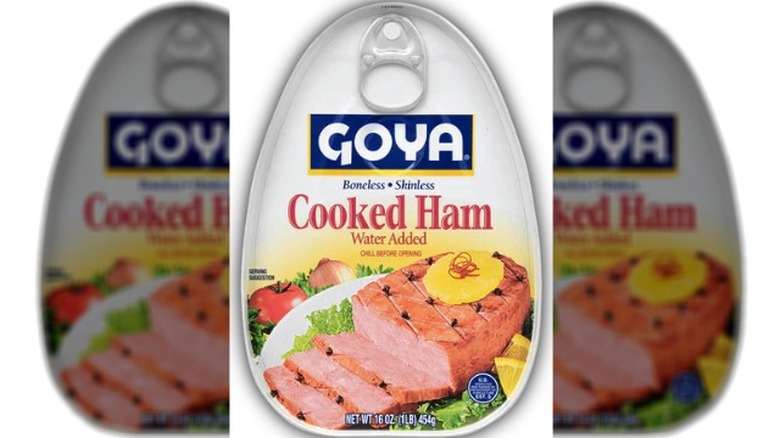
The truth about Goya Foods is that the brand is no stranger to controversy. While lawsuits and political views may taint people's opinion on the company as a whole, the canned ham is also a polarizing topic of conversation.
There's no denying that the brand's canned ham checks all the boxes for convenience. This shelf-stable ham lasts for months (or even years), so you can always have it on hand when you need a little added protein to your meal. It's as versatile as fresh ham and easily added to recipes like potatoes au gratin.
This pork product doesn't, however, come anywhere close in quality to fresh, refrigerated counterparts. You'd also be hard-pressed to find any specifics about where Goya sources its pork. The canned ham has water added (which dilutes the amount of protein per serving) and also includes additives like sodium phosphates, carrageenan, and sodium nitrite. Like other low-quality hams, this canned variety also has a ton of sodium, with just 2 ounces accounting for 26% of your daily sodium value. It's also made up of smaller chunks of ham that have been combined, giving it an odd, somewhat off-putting texture that landed it at the bottom of our ranking of canned ham brands.
High quality: D'Artagnan
D'Artagnan
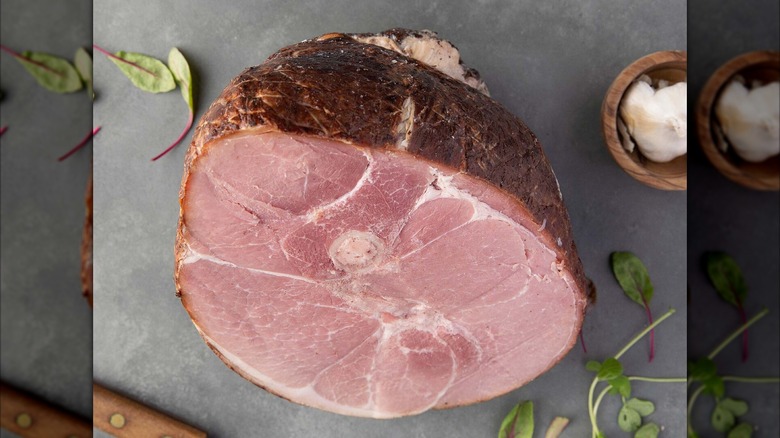
D'Artagnan understands the connection between animal welfare and flavor. The brand is committed to sustainable, humane farming practices that benefit animals and the environment and offer a better quality for customers.
D'Artagnan remains committed to these practices for its two main types of ham: Berkshire pork and tasso ham. The Berkshire (or Kurobuta) pork is raised on a pasture and never given hormones or antibiotics. It's naturally smoked over real applewood and made without nitrates, nitrites, phosphates, and any artificial additives, and finished with sea salt and raw cane sugar. Similarly, the tasso ham is raised without antibiotics or hormones and free of nitrates and nitrites. Also smoked over real hardwood, this alternative is finished with Cajun spices, giving it a bit more punch than the Berkshire ham.
The Berkshire variety is available in full and half sizes, both spiral-cut and uncut, and — along with the tasso ham — is ready to eat upon arrival. Customers attest that this means you can dig into the delicious, high-quality meat as soon as it arrives with little to no effort on your end.
Avoid: Great Value
Walmart
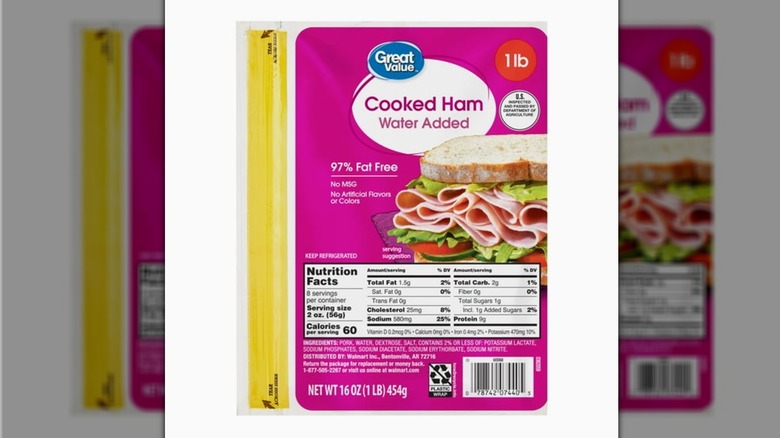
Walmart's Great Value brand might be the best option if you're looking for low prices. But if you're shopping for high-quality ham, you should probably look elsewhere. The brand's sliced ham may be free of artificial flavors and colors, but it has added water that increases the weight, meaning you get fewer nutrients per ounce than with meats without added water.
The ham is also high in sodium, with 25% of your daily value in just 2 ounces and only 60 calories. The impressive amount is probably a result of all of the sodium-based preservatives in the ingredients list, such as sodium diacetate, sodium erythorbate, and sodium nitrite.
There's also no information on how the ham is sourced, unlike what you'd find from high-quality suppliers. There are no humane certifications, sustainable practices, or vegetarian diets noted, which means they're likely not prioritized throughout the brand's supply chain. Though not necessarily a dealbreaker, the lack of transparency likely impacts the ham's overall taste and texture compared to more natural, higher-quality alternatives.
High quality: Benton's Smoky Mountain Country Hams
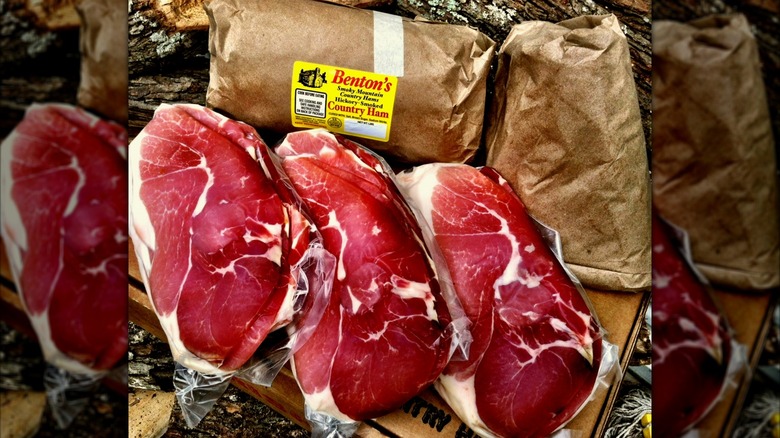
Benton's Country Ham
This old-school, no-frills establishment makes ham with few high-quality ingredients for maximum flavor. The hams are cured using only salt, brown sugar, and sodium nitrite — a preparation that has lasted through generations. This dry-curing process was first used by Benton's founder, Albert H. Hicks, in the late 1940s and has been maintained through to the modern day. Available in both unsmoked and hickory-smoked varieties, the hams have a distinct, signature flavor that home cooks and professional chefs alike seek out.
From sliced ham hock to center-cut pieces to bacon to whole, deboned hams, Benton's has it all — and the brand has even supplied local Tennessee restaurants with these signature pork products. Customers eager to try this sought-after product can purchase it at the brand's store in Madisonville, Tennessee (where the shop has dozens of hams strung up and ready to purchase) or order it online for home delivery.
High quality: Fermín
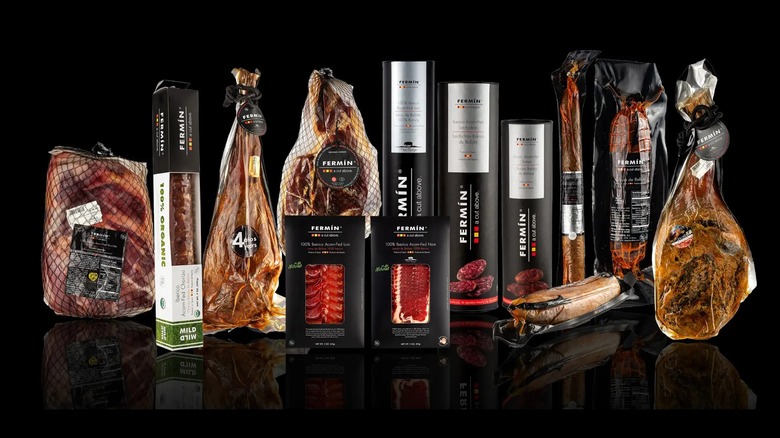
Fermin
When you hear the word ham, you might instantly think of the classic glazed variety that often graces holiday tables. There's another variety, however, that's also worth remembering: Ibérico. From the Iberian pig that has perfectly marbled meat, Ibérico ham is a highly sought-after premium product. And no one does it quite like Fermín.
This brand uses 100% Ibérico pigs that live a free-range life, eating acorns from natural pastures. This specialized diet makes the meat high in healthy omega-3 fatty acids and oleic acid and imparts a distinct buttery flavor. The pigs' natural diet and exercise also lead to a beautiful marbling of fat that makes the meat melt in your mouth.
Fermín is also committed to a traditional production process that includes salting the ham in a temperature-controlled environment and letting the salt work its magic for around three months. The meat is then hang-dried and cured for up to four years or more, depending on the variety, with special attention to temperature and humidity. The ham master then determines when each ham is ready, assessing each one individually to ensure it's perfectly cured. This attention to quality and craft makes Fermín's Ibérico hams favored by the likes of revered chef José Andrés.
Avoid: Hillshire Farm
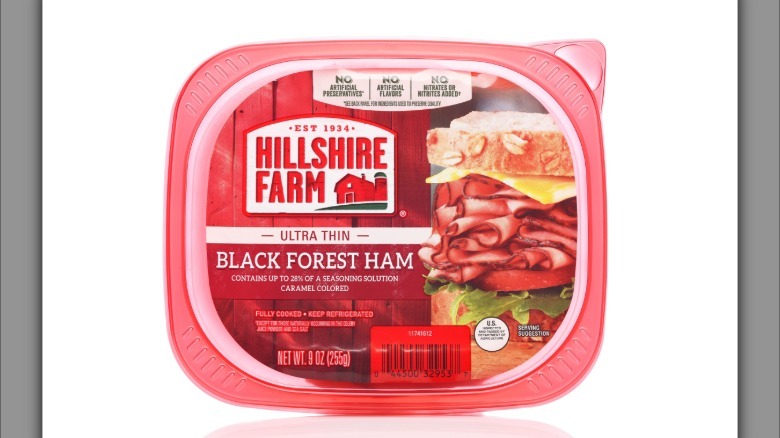
Steve Cukrov/Shutterstock
Hillshire Farm is a huge name in deli meat. This giant company — founded in Wisconsin in 1935 — prides itself on the quality of its products." And while the brand has an impressive roster ranging from sliced deli meat and sausage links to honey-cured hams, the quality doesn't necessarily meet the standards of a smaller, more intentional operation.
Though the sliced deli meat is free of artificial preservatives and flavors, nitrates, and nitrites (unlike many other grocery store brands), it's very high in sodium across the board. Just 2 ounces of the smoked ham accounts for 27% of your daily allotment. The deli ham also "contains up to 28% of a seasoning solution," as noted on the package, which likely means the meat has been injected with a water, salt, and spice solution.
The honey-cured and smoked hams feature sodium-based preservatives, which increase your daily intake. There's also a lack of readily available information about the brand's suppliers or farm partners, which means limited information on how the pigs are raised (though Hillshire has at least committed to avoiding partners using gestation crates).
Methodology
Agnes Kantaruk/Shutterstock
To determine which ham brands are of the highest quality and which to avoid, we evaluated them based on the overall ingredient quality and sourcing practices. We took into consideration how the pigs were raised, including animal welfare standards, and whether antibiotics or hormones were used when the information was available.
We assessed ingredient lists for additives, preservatives, and artificial ingredients and compared nutritional information like sodium, sugar, and fat content. Other product quality indicators — like curing methods, added water, and whether the meat was minimally processed — were also weighed in this list. Transparency in labeling, third-party certifications, and overall consistency in product quality were other factors explored.

 Arabic
 French
 Spanish
 Portuguese
 Deutsch
 Turkish
 Dutch
Dutch
 Italiano
 Russian
 Romaian
 Portuguese (Brazil)
 Greek
Greek