


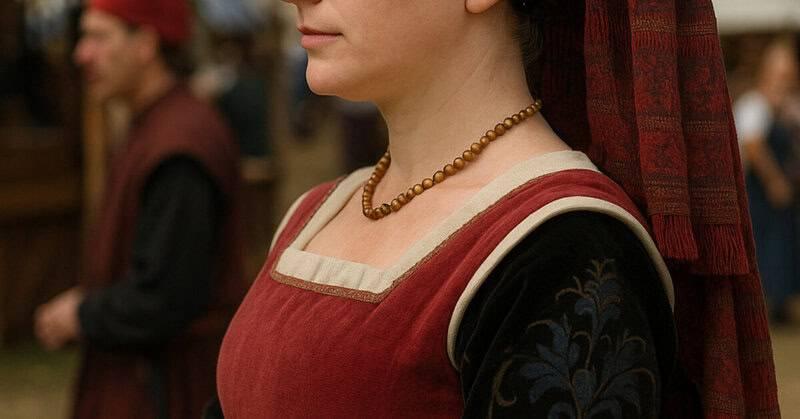
Every weekend across America, something extraordinary happens: thousands of people willingly swap their everyday lives for velvet cloaks, turkey legs, and the sound of lutes drifting through the trees. Renaissance fairs have quietly become one of the most beloved live entertainment traditions in the country, drawing in curious newcomers and devoted regulars alike — and their popularity shows no signs of slowing down.
What Exactly Is a Renaissance Fair?

At its core, a Renaissance fair is a large outdoor gathering where attendees dress in Renaissance-themed clothing and enjoy immersive cosplay. These events recreate a loosely historical version of medieval and Renaissance-era Europe, complete with period-inspired architecture, old-world language, wandering performers, and a fairground layout designed to feel like a village pulled from another century.
The first American Renaissance faire is widely credited to Phyllis Patterson, who launched a small educational outdoor festival in the Los Angeles area in 1963. What began as a school fundraiser grew into a national phenomenon, with hundreds of events now running annually across nearly every state. That origin matters: these festivals were built from the start around a genuine enthusiasm for history, craft, and participatory storytelling — values that still drive them today.
What makes these festivals genuinely unique is the way they blend entertainment, education, craftsmanship, and community into a single experience. The atmosphere is deliberately theatrical — the fairgrounds themselves function as a living stage, with every corner offering something unexpected. Crucially, full participation is never required. Spectators in jeans and sneakers coexist comfortably alongside elaborately costumed regulars who have spent months preparing their outfits. The invitation is open; the pressure is nonexistent.
What to Expect Once You Walk Through the Gates

First-time visitors are often surprised by just how much is happening at once. Costumed entertainers roam the grounds performing improvisational scenes, mock sword fights, and comedic bits that pull unsuspecting crowd members into the action. Scheduled stages throughout the day host everything from medieval folk bands and fire dancers to dramatic jousting tournaments that draw hundreds of spectators at a time.
Beyond the performances, Renaissance fairs are thriving marketplaces for working artisans and craftspeople. Visitors can browse and purchase handmade leather goods, intricate jewelry, hand-forged blades, and period-accurate clothing — items made by skilled hands rather than mass-produced in a factory. This artisan culture gives the fairs a texture and authenticity that sets them apart from conventional festivals. Conversations with makers are part of the experience: ask a blacksmith how a piece was forged, or ask a costumer how a bodice is constructed, and you are likely to get a genuine, enthusiastic answer.
Then there is the food. Festival fare is very much a centerpiece attraction, with giant roasted turkey legs arguably serving as the unofficial symbol of the entire genre. Mead, hearty stews, meat pies, and other period-inspired dishes are served in keeping with the immersive theme, making even eating feel like part of the performance.
The Largest Renaissance Festival in the Country Is in Texas

For anyone who wants to experience a Renaissance festival at its most spectacular scale, there is one clear destination. The Texas Renaissance Festival, located in Todd Mission, Texas, holds the title of the largest Renaissance festival in the United States and is currently in its 52nd annual edition. The festival takes place on weekends each fall, running from October 10th through November 29th, plus Thanksgiving Friday — giving attendees multiple opportunities to make the trip.
The sheer scope of the Texas Renaissance Festival sets it apart from nearly every other event of its kind. Sprawling themed areas, dozens of stages running simultaneous programming, hundreds of artisan vendors, and elaborately constructed permanent structures combine to create something closer to a small temporary city than a conventional fair. For a vivid sense of what the festival looks and feels like before you commit to the drive, the Texas Renaissance Festival’s Instagram offers a steady stream of costumes, performances, and behind-the-scenes glimpses throughout the season.
Smaller Fairs Offer Their Own Distinct Charm

Grand as the Texas event may be, community-scale festivals prove that you do not need an enormous production to capture the essential magic of a Renaissance fair. The Ingleside Renaissance Faire at Live Oak Park is a compelling example — open from 10am to 6pm with admission priced at $20 per person, it offers an accessible, low-pressure entry point that is ideal for first-timers or families looking for a relaxed afternoon out.
Intimate venues often mean more direct interaction with performers and artisans. Without the overwhelming scale of a mega-festival, visitors can linger at a craftsperson’s booth and hear the story behind their work, or catch a performer’s eye and become part of an improvisational bit that feels genuinely spontaneous. Regional fairs also tend to reflect local creative sensibility and community character, making each one distinct even when they share the same broad historical theme. If you are new to the hobby, a smaller fair can be the ideal place to learn the rhythms of the experience before attending a larger event.
How to Prepare for Your First Renaissance Fair

A little preparation goes a long way toward making the most of the experience. Keep these practical points in mind before you go:
- Dress the part if you can. Costume participation is warmly encouraged. Even a simple peasant blouse, a cloak, or a flower crown can deepen your sense of immersion and open up social interactions you would otherwise miss. Many vendors on-site sell ready-to-wear pieces if you want to commit on arrival rather than before.
- Wear comfortable, sturdy footwear. Most festivals take place on uneven grass, packed dirt, and gravel across large outdoor spaces. Well-broken-in shoes will serve you far better than anything fashionable.
- Arrive at opening. Opening ceremonies set the tone for the entire day, and popular jousting or theatrical performances fill up quickly. An early arrival means better sightlines, shorter food lines, and a more relaxed start before the grounds get crowded.
- Bring cash. Many smaller artisan vendors do not accept cards. Having cash on hand also speeds up transactions at busy food stalls during peak hours.
- Budget more than you expect. Between admission, food, drinks, and the very real temptation of handmade goods, costs add up faster than anticipated. Deciding on a rough spending limit before you go saves headaches later.
- Build in time to wander without a plan. Some of the best moments at a Renaissance fair are entirely unscheduled. Leave gaps in your day to follow interesting sounds, duck into unexpected tents, and let the environment work on you at its own pace.
Why Renaissance Fairs Keep Growing — and Why That Matters

In an era saturated with digital entertainment and screen-based distraction, Renaissance fairs offer something increasingly rare: genuine, in-person spectacle that demands your full physical presence. There are no apps to download, no streams to buffer. The entertainment is happening in real time, performed by real people with real skills, and the crowd around you is sharing the same unrepeatable moment.
Social media has meaningfully expanded the audience for these events. Elaborate costume photography, behind-the-scenes artisan content, and festival highlight reels have introduced younger generations to a tradition that had been quietly thriving for decades. Communities built around faire attendance — known affectionately as “rennie” culture — have found new energy online, turning what was once considered a niche interest into a broadly appealing fixture of American cultural life.
Perhaps most meaningfully, Renaissance fairs serve as working platforms for artisans, performers, musicians, and craftspeople who sustain historical and traditional skill sets that might otherwise fade. A hand-forged knife, a bespoke leather belt, or a set of hand-sewn garments represent genuine expertise passed down through practice and apprenticeship. Buying directly from the maker at a Renaissance fair is one of the more direct ways a visitor can support that continuity.
For a broader look at the history, culture, and etiquette behind these events, this introduction to Renaissance fairs offers useful context for first-time attendees. Whether you arrive for the history, the costumes, the food, or simply the spectacle, what you find on the other side of the gate is something the modern world rarely delivers: a shared experience, fully present, and entirely your own to shape.

 English
 Arabic
 French
 Spanish
 Portuguese
 Turkish
 Dutch
Dutch
 Italiano
 Russian
 Romaian
 Portuguese (Brazil)
 Greek
Greek