


Deutschlandreform/Shutterstock
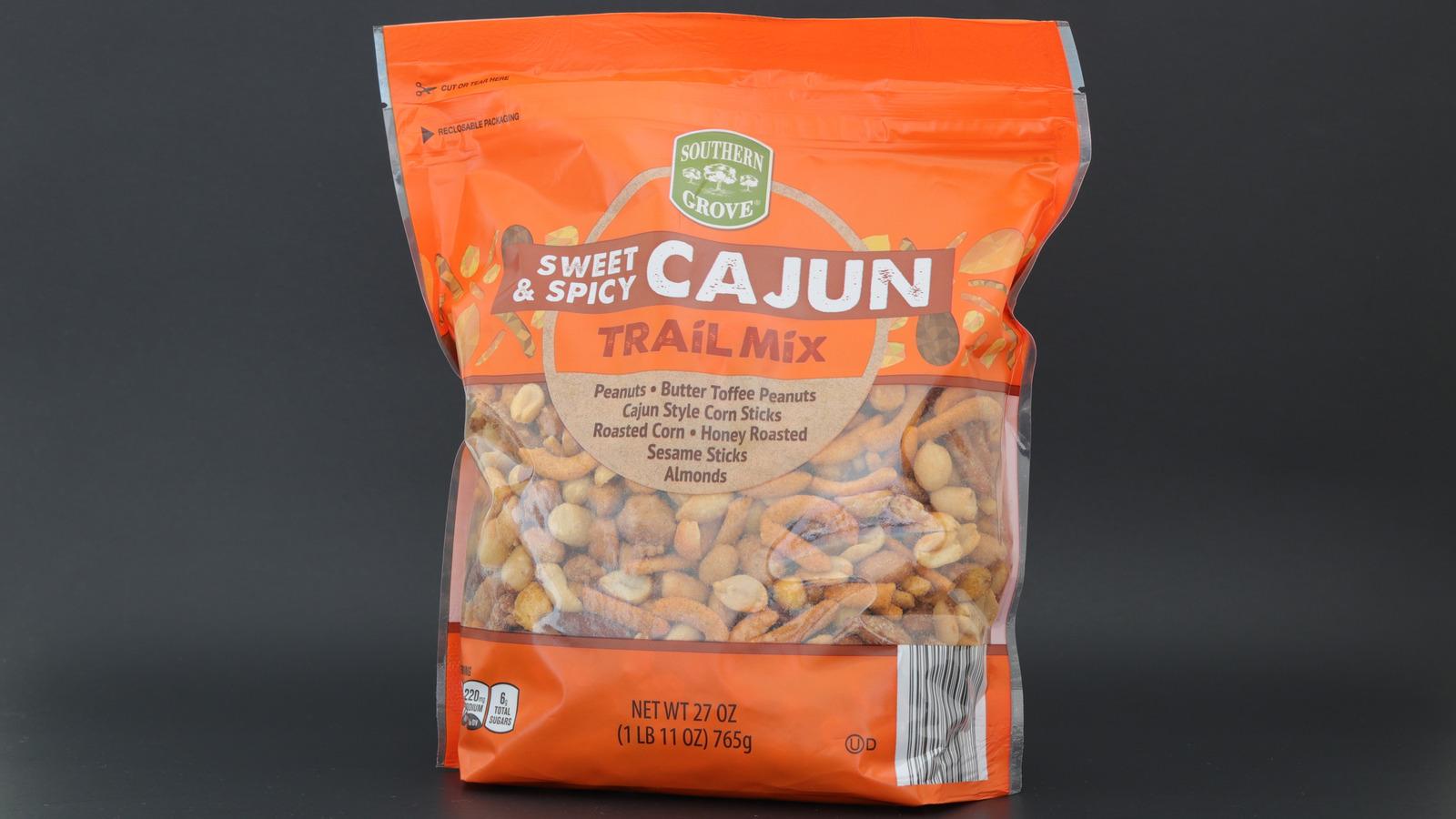
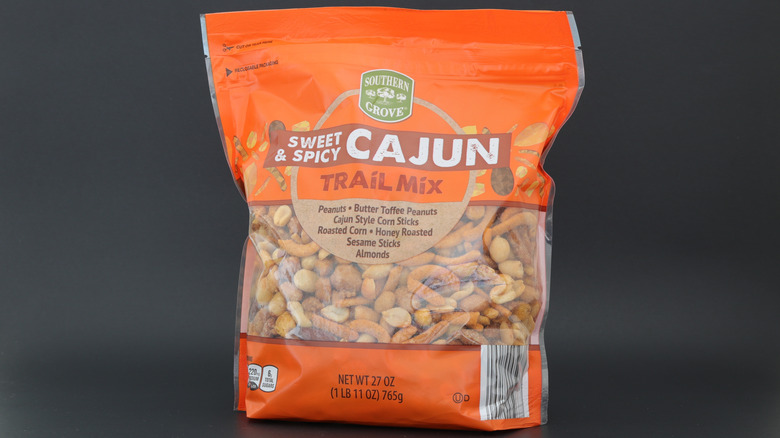
Aldi is different from most supermarkets because the items on the shelves, for the most part, aren't name-brand groceries. Instead, they're store-exclusive products. Referred to in the food business as private-label goods, these are generally manufactured by other companies specifically for the retailer. At Aldi, you'll find labels like Sundae Shoppe for ice cream, Simply Nature for organic items, and Southern Grove for nuts and trail mix. Available evidence suggests that the discount grocery chain obtains its nuts from an Ohio-based company called King Nut.
King Nut is just one of the many companies hiding behind Aldi brand foods. It's a big business, producing over 500 million packages of nuts annually. However, we wouldn't be surprised if you have never heard of it. That's because it specializes in producing and packing nut-based items and snacks for other companies, such as grocery stores and airlines. If you've chowed down on peanuts or pretzels on a flight, they may have been packed by King Nut.
While the airline packages are sometimes labeled with the King Nut name, Aldi's trail mixes don't feature it. Still, it's possible to identify a manufacturer when items get pulled from shelves for safety reasons. A 2020 recall on Southern Grove Sweet & Salty Trail Mix from Aldi was issued by Kanan Enterprises, the company that owns King Nut, due to undeclared almonds.
The family-owned company behind Southern Grove
CLS Digital Arts/Shutterstock
Kanan Enterprises and King Nut are connected by business and family. Michael Kanan and his sons Martin and Matthew R. Kanan all serve as executives in the latter company. Michael acquired it in 1989 after working at two juice manufacturers and a brewery, and his sons both joined in 1991.
King Nut first opened its doors in Cleveland, Ohio, in 1937. Founded by siblings Earl and Edna Balliette, the company roasted nuts and distributed them to local bars and restaurants in the early days. Airlines became key clients by the 1990s, along with some grocery stores. In 2003, King Nut merged with fellow Cleveland-based company Peterson Nut, which had been in operation since 1927. It's unclear when Aldi entered the picture, but a 2013 report by Smart Business noted that King Nut sold products to the grocery chain at the time. So the business relationship goes at least that far back if not farther.
Why is there so much mystery surrounding the makers of Aldi products? It's standard across the food business to keep relationships between manufacturers and retailers quiet for a variety of reasons. For instance, a food maker might pack both private-label and name-brand items for multiple chains. Knowing that a budget-friendly option and a high-end alternative come from the same manufacturer could harm a bigger brand's profits.

 English
 Arabic
 French
 Spanish
 Portuguese
 Turkish
 Dutch
Dutch
 Italiano
 Russian
 Romaian
 Portuguese (Brazil)
 Greek
Greek