


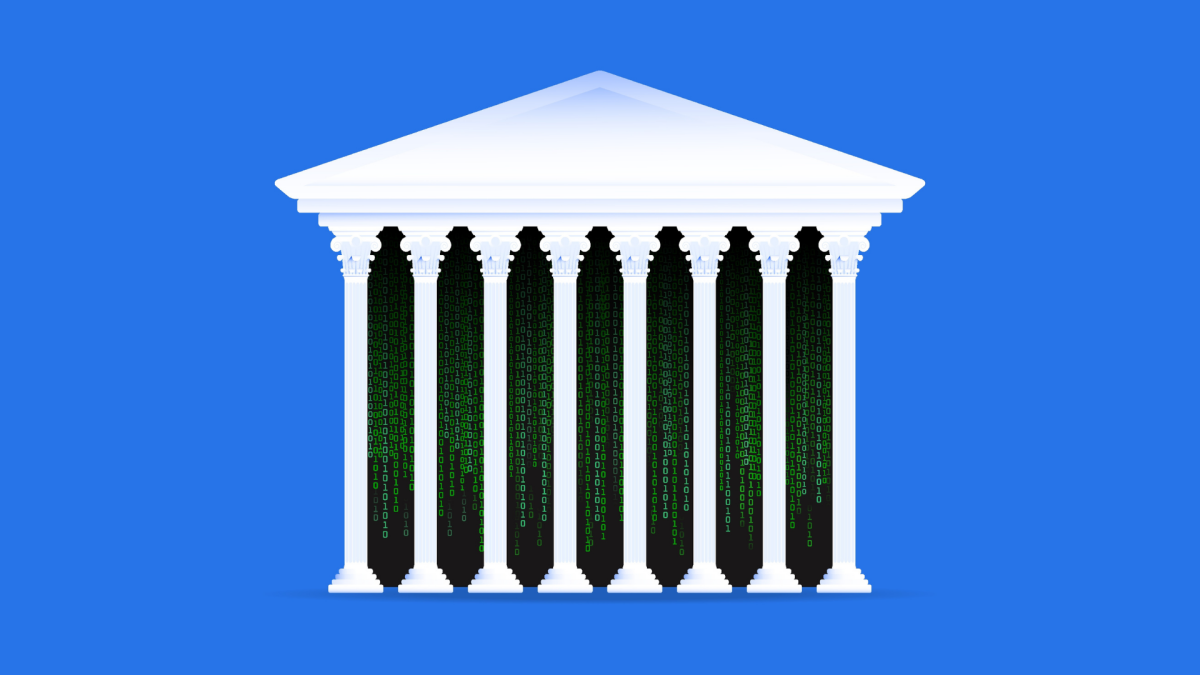
In a recently released policy paper entitled "Democratic Governance of Frontier AI: A blueprint for a federal framework," OpenAI put forward its vision of AI regulation, built around five core priorities: promoting transparency, protecting innovation, addressing risks to national security and public safety, advancing democratic governance, and creating "adaptive institutions" capable of keeping up with these rapid technological developments.
But while those are all laudable goals, there is very little agreement on how to pursue them in practice. And according to reporting by Politico, the timing of this paper is auspicious, coming shortly after the White House released two executive orders on "Promoting Advanced Artificial Intelligence Innovation and Security" that would place AI regulation squarely within the government's remit.
As Politico AI reporter Brendan Bordelon points out, the OpenAI paper is an attempt to "nudge" the federal government towards a different approach, one in which civilian institutions are responsible for AI oversight. Outlining a process they call "reverse federalism," OpenAI proposes that states be allowed to "to develop and refine common legal frameworks first," before Congress adopts them at the national level.
Mashable Light Speed
In their vision, the Center for AI Standards and Innovation (CAISI) would act as the main point of contact between artificial intelligence companies and the government, working off a precedent set earlier this year when Microsoft, Google, Anthropic, and OpenAI all signed deals with the Commerce Department to allow the federal government to evaluate their AI models for potential national security risks.
As AI becomes more ubiquitous across the country, regulators are struggling to catch up. Between the potential for massive job losses, even in manufacturing, and the turmoil caused by AI deepfakes and the "crisis of knowing" they precipitate, people everywhere are looking for clarity and structure, and neither AI makers nor politicians seems able to agree on what that should look like.
This push-pull dance between AI's creators and governments has been going on for some time, and it isn't likely to be resolved any time soon, as evidenced by the latest of Sam Altman's visits to Capitol Hill earlier this week, but it's worth paying close attention to all the same, because the balance struck here will have major consequences for the future of, well, everything.
Disclosure: Ziff Davis, Mashable’s parent company, in April 2025 filed a lawsuit against OpenAI, alleging it infringed Ziff Davis copyrights in training and operating its AI systems.

 English
 Arabic
 French
 Spanish
 Portuguese
 Deutsch
 Turkish
 Italiano
 Russian
 Romaian
 Portuguese (Brazil)
 Greek
Greek