


Yrabota/Getty Images
Over the past several years, the wine industry has seen a shift. While wine sales have declined overall, those who are drinking are showing increased interest in lower alcohol options, a desire to support sustainably produced products that follow organic or biodynamic farming methods, and an interest in emerging regions and unique varieties. With rising costs across the board, consumers are also looking for value options that still deliver the quality they demand.
Rosé wine can be a bright point for producers seeking new approaches to cater to shifting tastes and trends. Rosé wines tend to have a lower alcohol content than their full-bodied red wine counterparts. Producers around the globe are showcasing their terroir by producing interesting selections from international and native varieties that are both fresh and approachable. These wines also reveal a sense of place that highlights terroir distinction, as the 10 wines featured in this article reveal. Additionally, while price was not a consideration for inclusion, rosé tends to be more affordable compared to many red wines due to shorter production times and aging techniques.
The rosé wines in this article highlight the diversity available today, even if some are relatively unknown, obscure, or otherwise underrated. Ranging from the palest of pink to deep cherry red, these fresh wines span from easy-drinking, light-bodied Sunday sippers to rich, full-flavored, highly gastronomic offerings ready to be enjoyed throughout a meal. They provide a glimpse of how producers are crafting wines for today's palates, while displaying artistry in every glass.
1. OVUM Wines PNK Salt
Oregon's OVUM winery seeks to showcase regional terroir in each of its wines by taking a non-interventionist approach. Using techniques such as native fermentations and aging wine in concrete eggs and neutral barrels without additives, the winery hopes to showcase the unique diversity of regions throughout Oregon.
From an organically farmed vineyard in the Columbia Gorge, OVUM PNK Salt rosé blends 99% old-vine cabernet sauvignon with 1% Big Salt, the winery's white wine blend, to help the native fermentation begin. The cabernet fruit sits on the skins for 8 hours prior to pressing, giving the wine a deep coral-pink color. Three months of lees aging (aging on the spent yeast strains) adds texture and body to the wine, along with a touch of creaminess to the palate.
Tasting the wine, the first characteristic that leaps from the glass is rich, ripe red fruit. Layers of Bing cherries, wild berries, currants, and pomegranate mingle harmoniously together, with a mineral note throughout that leads to salinity on the finish. With crisp, fresh acidity and 12.5% alcohol, the wine pairs well with briny fresh oysters dressed with a punchy, vinegary shallot mignonette.
2. Casa Vinicola Garofoli Kòmaros Rosato
From one of four DOCG regions in Italy's Marche, Garofoli crafts its well-rounded Kòmaros Rosato Cònero DOCG. Meaning Denominazione di Origine Controllata e Garantita, the DOCG designation indicates that the wine is of the highest quality in Italy, produced according to strict guidelines set by the region's regulatory council. The area achieved DOCG status for its red wines crafted from the Montepulciano variety in 2004.
Although Kòmaros is a rosato wine, Italy's version of rosé, it earns the designation for being 100% Montepulciano. The winery ages the wine for a mere 4 months in stainless-steel tanks and 1 month in bottle prior to release, ensuring the palate displays bright acidity from the front to the back. Crisp freshness is a trademark of this wine.
The historic producer harvests fruit from its sustainably-farmed hilly estate vineyards near the sea under the gaze of Monte Cònero. Stony soils and proximity to the sea lend a mineral-driven salinity to the red fruit-filled wines. Layers of boysenberry, wild strawberry, and cranberry mingle with touches of wild roses and soft herbs in the 13% alcohol wine. The fruit's juiciness is on full display, opening with a bright pop on the front palate and lingering seductively on the back palate, inviting you to stay for a while.
3. Château d'Aqueria Tavel Rose
Highly gastronomic rosé wines are the standard within France's Southern Rhône region of Tavel. Wineries allow for extended skin contact with the fruit, creating deeply colored, textured rosé wines that have intensity, tannic complexity, and a French flair, showing the versatility of rosé beyond being a wine you just sip poolside. These are wines you enjoy throughout a meal, pairing with Provençal stews, roasted lamb with herbs de Provence, or rich bouillabaisse. And, while many wineries intentionally craft their rosé wines for early consumption shortly after bottling, Tavel rosé can easily age for several years, increasing the wine's character and complexity.
Château d'Aqueria blends the classic Rhône Valley grape varieties into its Tavel rosé, including grenache, syrah, and mourvèdre, along with clairette, cinsault, and bourboulenc all from old-vine vineyards aged 40 to 70 years. The Mediterranean-influenced vineyards are surrounded by forests and an earthy garrigue of wild herbs, lending herbaceous notes to the red-fruit-filled rosé and showcasing the character of the regional terroir. Fruit macerates for up to 24 hours, giving the wine a deep cherry-red color, a well-rounded palate, and 14% alcohol content.
The full-flavored wine layers red cherries, pomegranate, and red licorice flavors with woody herbs, wildflowers, and crushed stone. The wine has energy and freshness that lingers through the finish. A recipient of the French High Environmental Value Certification, the historic winery works sustainably, ensuring the health and prosperity of its vineyards for future generations.
4. Maison Mirabeau One Day Rosé
Provençal rosé is not anything new. The Southern French region that hugs the Mediterranean Sea has been leading the charge, touting the quality of dry rosé for years. However, Maison Mirabeau showcases something more with its One Day rosé.
The Certified B Corp winery was founded as a labor of love driven by passion in 2009, debuting its first rosé from the 2010 vintage. Starting in 2022, Mirabeau changed course, focusing on reducing its carbon footprint within the industry, working organically, recycling wine left over from production into a rosé vermouth, and releasing One Day rosé.
The product launched in 2025 as the first AGW-Certified Regenerative Farming rosé in Provence. The brand's idea is that one day, all vineyards will be farmed sustainably in an eco-friendly manner, creating an environment that encourages longevity. The delicate rosé is a classic Provence-style blend bringing grenache, syrah, cinsault, mourvèdre, carignan, and caladoc together to create a refreshing, fruit-forward yet deliciously dry wine with 12.65% alcohol content.
Layers of red currants, red berries, and blood oranges mingle with subtle crushed-stone and wild, herbaceous garrigue notes. The night-harvested fruit has lively freshness, showing vibrancy from the first sip to the last. It is a wine that pairs well with fresh seafood, vegetables, pasta, or rice dishes, such as oven-roasted ratatouille pasta loaded with fresh zucchini, eggplant, and peppers.
5. Scaia Rosato Veneto IGT
From chalky, white clay and limestone soils within Italy's Veneto region, Scaia crafts its bone-dry rosato from 100% rondinella fruit. The grape is classically used in the hearty red wines of the region, including the savory Valpolicella and the richly flavored Amarone. In these wines, producers traditionally blend the variety with corvina and corvinone to create robust flavors, with rondinella as a supporting variety. It lends a fruity accent to the wine, rather than acting as an essential ingredient.
Making a rosato from purely high-yielding, disease-resistant, thick-skinned rondinella reveals the variety's approachable character, as the medium-bodied wine has a youthful style with endless approachability. The winery focuses on freshness, vinifying in stainless steel to ensure a crisp, bright, and lean character. The pale pink hue indicates the fruit was quickly pressed from the skins to prevent the grapes' inky purple skin color from bleeding into the wine.
Layers of strawberry, raspberry, and juicy apricot meld with orange peel and woody wild herbs. The 12.5% alcohol palate is light and fresh, with an earthy, herbal rusticity that melds with the fruit. These qualities make it a delicious pairing with mushroom risotto or roasted chicken with herbs.
6. Hamilton Family Wines Rose of Grenache
I love a wine that knows exactly what it is and isn't trying to be anything more, in the very best way. Hamilton Family Vineyards rosé of grenache is a lively, fruit-forward, punchy, juicy wine that is ideal when you want something crisp, fresh, and thirst-quenching. It provides these qualities while also presenting terroir distinction, showing a sense of place. Trends indicate that grenache is one of the varieties to watch in 2026, as producers embrace its red-fruit-filled profile that is easy to enjoy on its own or with roasted poultry, grilled salmon, fresh vegetables, and sunset celebrations.
The vision for the winery began in a Berkeley, California, garage in 2011 before moving to Sonoma in 2016. Taking an artisan's approach, the winery follows a low-interventionist, sustainable approach to winemaking, allowing the fruit to take the lead. Hamilton Family's Sonoma Valley estate-grown rosé opens with notes of guava, peach, and tangerine. These characteristics are followed by a balanced, fruit-forward palate of ripe citrus, tropical fruits, and stone fruit.
There is an engaging freshness in this 13.3% ABV wine, showing zesty, mouth-watering acidity that draws you in and invites your palate to enjoy. The finish is crisp and clean with a hint of minerality that is subtle yet completely enjoyable. Try it with a pairing of steamed mussels or clams that have a bit of briny salinity, helping to bring out the wine's mineral-rich qualities.
7. Masseria Li Veli Sybar Rosé
Using sustainable farming practices, Masseria Li Veli "Sybar" rosé showcases the primitivo variety in its dry, fresh, epicurean rosé. The variety is related to the American red zinfandel grape; however, primitivo's origin was likely Croatia. Today, it finds its home in the Puglia region of Italy, where it typically produces highly tannic, high-alcohol wines. When producers opt to make primitivo into a pale rosé with brief skin contact rather than an inky, tannic red wine, the result is fresh and crisp with wild rose, citrus, and berry notes, as displayed in Li Veli's selection.
Five hours of skin contact give the wine a hint of tannic structure, while fermentation and a brief 3 months of aging in stainless steel followed by 3 months in the bottle ensure the wine displays the fruit's natural acidity and crisp freshness upon release. With a moderate 12.5% alcohol, Sybar shows red raspberry, wild strawberry, blood orange, and bitter almond notes with a medium body, textured palate, and fresh acidity.
The acidity helps to cut through the richness of a pan-fried crispy veal Milanese. Or, try the wine with a classic Apulian dish, orecchiette pasta with bitter greens, garlic, anchovies, and chili flakes. Add in a sleek, frosted glass, perfume-shaped bottle, and you have a show-stopping selection that stands out for its unique character.
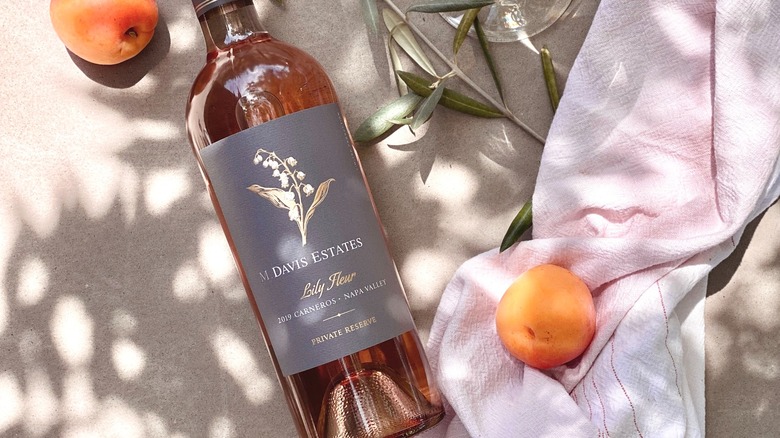
8. Davis Estates Lily Fleur Rose
Davis Estates
Pinot noir is a popular variety for rosé wine production. As a rosé wine, the noble fruit reveals wild berry, ripe melon, and citrus flavors with a fresh, acidic backbone that makes it a dream to pair with food. Napa Valley's Davis Estates brings more to the table than many typical pinot noir rosé wines with its Lily Fleur rosé.
The wine blends 81% pinot noir, with 19% cabernet sauvignon and merlot. Including the two Bordeaux varieties adds complexity, texture, and weight to the wine, along with a deep salmon-pink, coral color that shows it has substance. Coming from a small lot of fruit growing in the winery's estate vineyard in the southern Los Carneros region of Napa, the pinot noir-based wine showcases the region's cool climate by boasting incredible energy.
The 14% alcohol content is higher than some options; however, the palate doesn't feel heavy or hot. Instead, there is an ethereal freshness that makes the wine easy to enjoy, revealing layers of ripe golden peaches, tangerine, Asian pear, red berries, and wild herbs. Avoid pairings that are high in acidity, as the wine's freshness may become muddled with foods that have additional punch. Instead, try pairing it with roasted chicken, pomegranate-glazed salmon, or grilled shrimp in a watermelon gazpacho.
9. Varvaglione Susumaniello 1921 Rose
Looking at the lean, elongated bottle of Varvaglione Susumaniello 1921 rosé, you immediately have an indication of the chic elegance that awaits inside the bottle. The Varvaglione family founded the Apulian estate in 1921. Today the fourth generation continues the family tradition of crafting authentic Varvaglione 1921 wines that display the regional Italian terroir while embracing innovation and modernity.
Using the rare, relatively unknown red susumaniello variety, the winery crafts its expressive rosé. Punchy, fresh aromas of red raspberry, cherry, and apricot rise from the glass confidently, as if to proclaim they are present before you even have a taste. Layers of wild roses and zesty lemon peel follow. With a 13% alcohol content the palate shows more of the same, with stone fruit, citrus, and crushed stone mingling with white flowers and a touch of spice. The wine is lean and focused with a well-rounded, slightly creamy texture thanks to its brief aging in stainless steel on the lees (spent yeast strains.) The lees give complexity to the bone-dry mouthfeel, rounding out the wine's overall character.
10. A to Z Wineworks Rose
When a wine lover hears that the grape variety in their glass is sangiovese, they likely associate it with food-friendly Italian wines, as the variety is the base for Tuscany's famous Chianti and Chianti Classico. However, the fruity, savory variety also produces inviting rosé wines, particularly when combining old-vine sangiovese with fruity, fresh pinot noir.
Oregon's A to Z Wineworks does just that when crafting its dry rosé. The sangiovese is from the warm Del Rio region in Southern Oregon, while the pinot is from the cooler, northern Willamette Valley. The B Corp winery is LIVE Certified Sustainable, working in an environmentally friendly manner in the vineyards and winery.
Bringing the two varieties together layers ripe fruitiness with vibrant fresh acidity, creating a juicy well-balanced wine with synergy. Pinot noir's signature cherry and red berry flavors meld with sangiovese's herbaceous, tomato leaf, and red fruit flavors. The taste is multi-layered, yet the flavors meld seamlessly. The color has a rich watermelon pink hue, indicating a longer maceration of the fruit on the skins to extract a deeper color than many rosé wines available today.
With the color comes tannin, adding complexity and a velvety texture to this 13% alcohol content wine. It's a wonderful option to pair with full-flavored fare, more so than many lighter rosé wines that can't handle the weight. Try the wine with seared bone-in pork chops or a savory chicken cacciatore with a tomato-infused sauce, accenting the subtle tomato hints in the wine.
Methodology
Wirestock/Getty Images
In putting together this list of underrated rosé wines to try in 2026, I first considered the trends that have consumers talking this year. As preferences and palates change, wineries must adapt, and with that, unique native varieties and regions are gaining recognition and popularity. It is a difficult time for many producers due to slowing sales, rising costs, and issues surrounding tariffs and trade. However, producers are embracing their heritage, showcasing the provenance of their wines while displaying authenticity in every sip.
I drew upon my experience as a Certified Sommelier, Certified Specialist of Wine, and seasoned wine writer to compile this list. I have spent over 20 years in the industry, traveling the world to taste wines in well-known and emerging regions. I have tasted each of the featured selections. While these underrated wines are available nationwide, some may be harder to find than others. However, my hope is that the qualities of each will inspire you to try something new, venturing beyond the ordinary next time you are in the mood for rosé.

 English
 Arabic
 French
 Spanish
 Portuguese
 Turkish
 Dutch
Dutch
 Italiano
 Russian
 Romaian
 Portuguese (Brazil)
 Greek
Greek