


Key Points
• After true lilies (genus Lilium) finish blooming, it's essential to remove faded flowers without cutting the entire stem.
• Leave the lily's foliage intact after it's done flowering, allowing it to die back naturally in autumn.
• Techniques for overwintering lilies vary depending on whether the lilies are planted in the ground or a pot.
Lilies are fantastic flowers perfect for large plantings in the garden or as containerized flowers on the patio. But after they flower, what next?
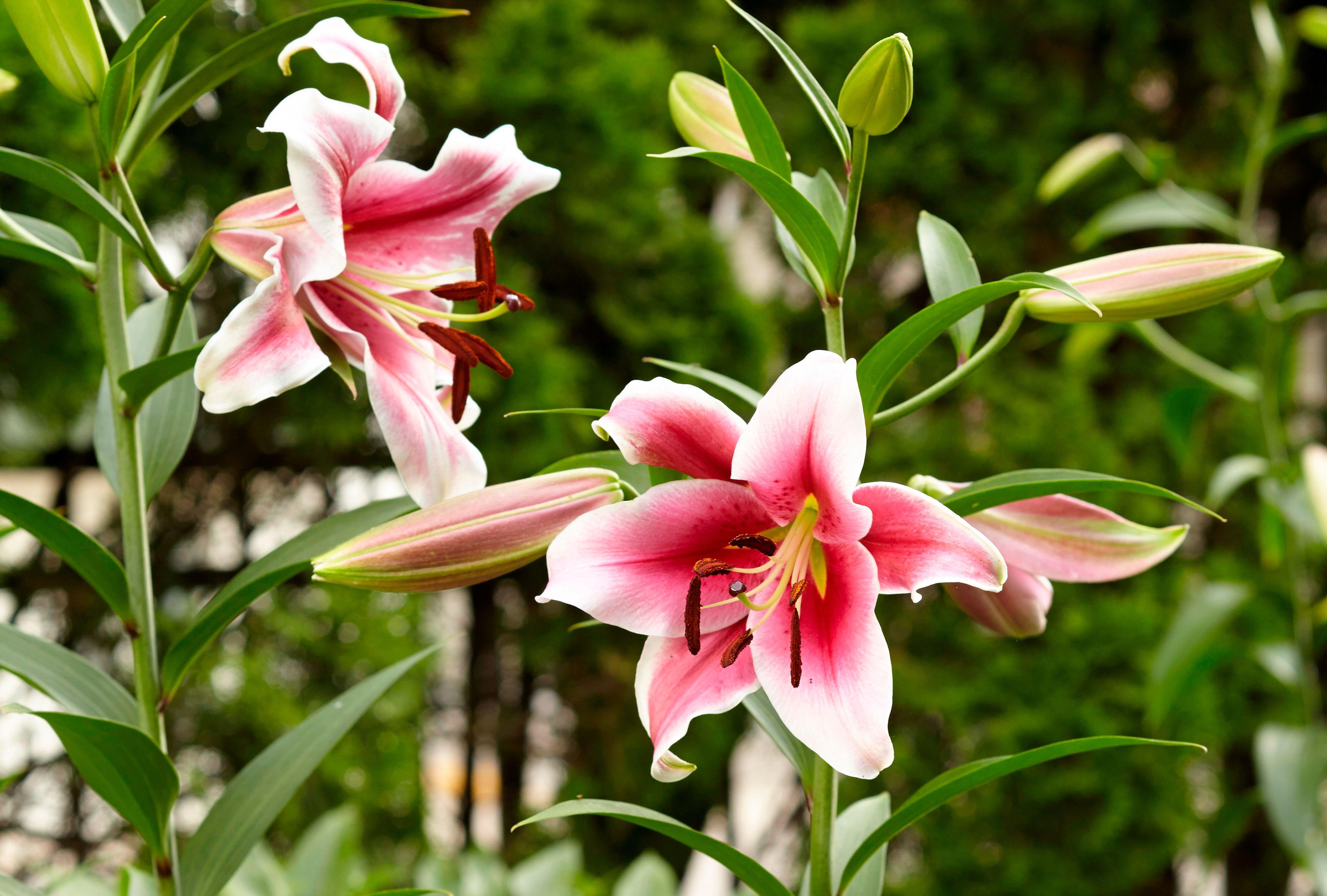
First off, we’re talking about true lilies in this article. True lilies are from the genus Lilium, and include Oriental, Asiatic, Tiger, Trumpet, and Orienpet lilies, not daylilies. Daylilies are a different plant altogether and have separate requirements.
True lilies grow from fall-planted bulbs, and are perennials which will come back year after year, In a variety of colors and sizes, most are hardy in USDA Zones 4-9. Here are the most important steps to help them stay healthy after they bloom so they flower vigorously again next year.
What to Do After Lilies Flower
Lilies bloom once per year, but that doesn’t mean the plant is done. Fortunately, the after care is simple and easy, and only takes a few moments. It’s pretty much the same process as for other perennial, fall-planted spring flowering bulbs like daffodils and perennial tulips. The overarching goal? Allow the plant to complete its season of growing and harnessing sunlight.
1. Remove the Old Flower
Lilies flower on a long stem with leaves all the way down to the base. If you’ve cut the flower for use in a bouquet, this step is already done. When harvesting, don’t cut the entire stem. Instead, remove only as much as you need for your vase, and leave the rest.
For lily flowers in the garden which weren’t harvested, allow the bloom to fade, and then trim it off, leaving the whole stem and all the foliage intact. By removing the old bloom, you prevent the plant from spending energy creating seeds. Instead, all the energy it harnesses throughout the rest of the growing season will be stored in the bulb for next year’s growth and blooms.
2. Leave the Foliage Intact
For both container grown and in-ground lilies, leave the foliage intact all summer. It makes an attractive spike of greenery, and the plant needs time to recharge after putting out those blooms. In autumn, the foliage will start to brown and die back naturally.
If you remove the entire stalk and leaves too early, your bulb won’t have a chance to store energy and will fade out or die. A bit of fertilizer can help the lily perform even better, storing extra carbs for use next year, but don’t fertilize within a month of your first autumn frost.
Related
3. Cut Back the Stem
Once the foliage has died back and is brown all the way to the ground, it’s okay to use a clean pruning shears to snip off the old stem and toss it in the compost pile. Cut back to about an inch above the ground, which will mark the lily’s location next spring so you don’t disturb it while preparing your perennial bed. Containerized lilies can also be cut back to an inch above the soil once the foliage has browned.
Overwintering Lilies
The technique for overwintering lilies varies based on your hardiness zone and whether your plants are in the ground or in pots.
Lilies in the Ground
For lilies in the ground, no special attention is needed to overwinter in most hardiness zones. If you live near the colder portion of your lily’s hardiness range, apply a thick layer of mulch over the snipped-off stems and the surrounding area to help insulate the bulbs and reduce the likelihood of cold damage. In spring, remove some of the mulch, leaving only enough to control weeds.
Lilies in Pots
Leaving lilies in pots outside in areas with freezing temperatures can cause damage, as the soil in pots can be subjected to rapid freezes and temperature swings that in-ground bulbs would not experience. So once the foliage has been snipped off, put the pot in a basement, garage, or other sheltered area. Check on it regularly and water as needed to make sure the soil remains barely moist, and pull it out again in spring.
Alternatively, potted lilies can also be temporarily “planted” by digging a hole in autumn and planting the entire container, lily and all, in the ground. In spring, dig up the pot, clean it off, and you’re ready to go.

 English
 Arabic
 French
 Spanish
 Deutsch
 Turkish
 Dutch
Dutch
 Italiano
 Russian
 Romaian
 Portuguese (Brazil)
 Greek
Greek