


Teledentistry Market Growth, Emerging Trends & Competitive Analysis 2031
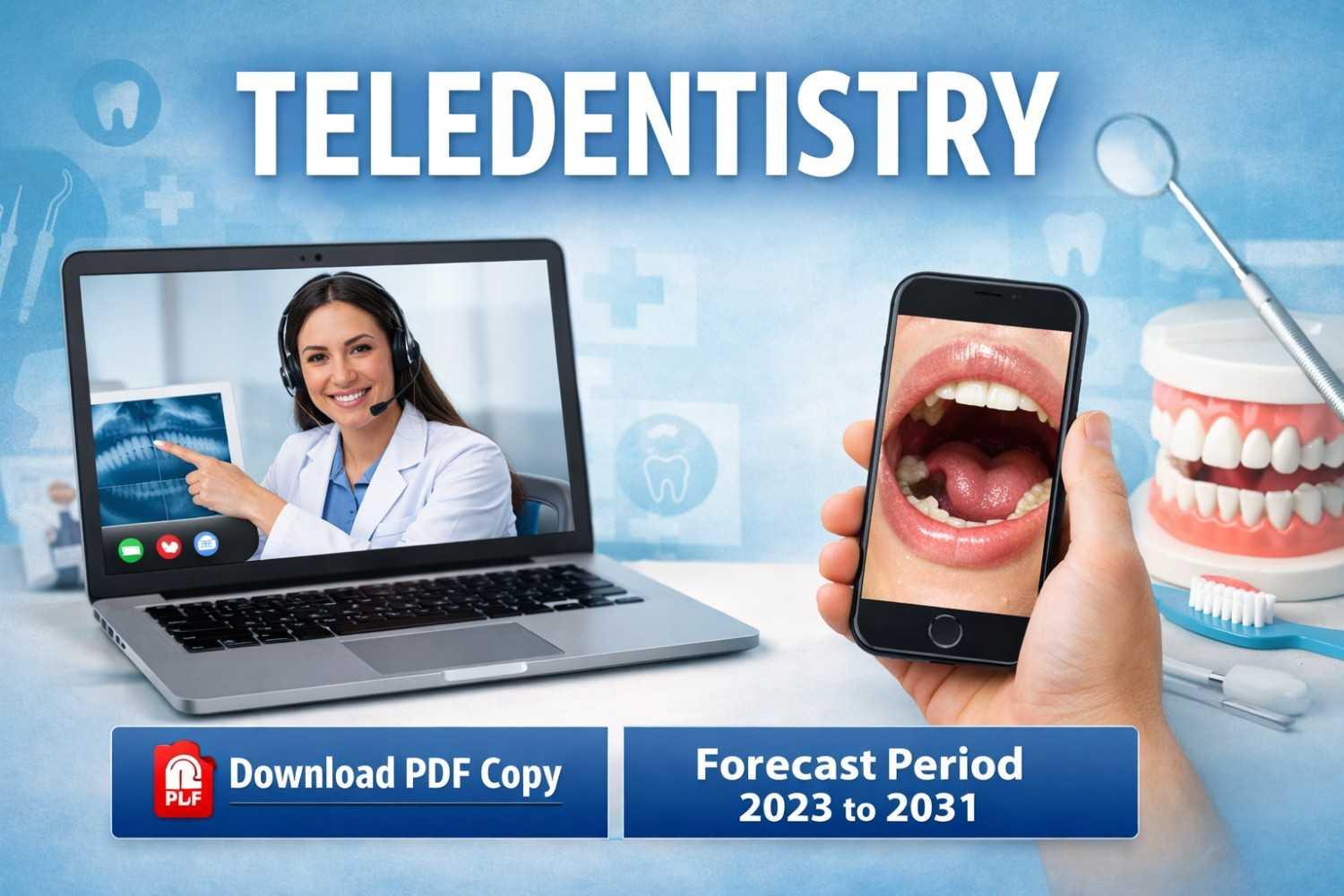
The global teledentistry market is transitioning into a highly dynamic and crucial segment of the digital healthcare landscape. According to a comprehensive research study by The Insight Partners, the teledentistry market size in 2021 stood at US$ 1.04 billion and is projected to reach US$ 5.51 billion by 2031. The market is expected to register a CAGR of 17.4% in 2023–2031.
Teledentistry utilizes advanced telecommunications technology, high-definition imaging, and cloud-based systems to deliver remote dental care, virtual consultations, and digital triage. By removing geographical boundaries, virtual dental care makes professional oral health services accessible to individuals who previously faced significant barriers to care, such as those living in rural areas or developing economies. This dramatic market expansion is fueled by changing consumer preferences, increased penetration of mobile health solutions, and the cost-effectiveness of virtual assessments for both practitioners and patients.
Comprehensive Segmentation and Key Market Drivers
The rise of the teledentistry market is fundamentally supported by rapid structural shifts across its primary segments:
- By Component: The market is bifurcated into hardware, and software and services. The software and services segment captured the larger market share in 2023. This dominance is due to the widespread integration of specialized clinical communication platforms and subscription-based virtual health networks. Hardware, which includes high-tech intraoral cameras, smart digital scanners, and diagnostic imaging tools, is also expanding steadily to help dentists capture precise real-time data from a distance.
- By Delivery Mode: The sector is categorized into on-premise solutions and cloud-based models. Cloud-based teledentistry platforms secured the majority market share in 2023. Cloud networks offer dental service organizations superior flexibility, endless scalability, and immediate data accessibility, allowing secure transmission of patient records between clinics and remote specialists.
- By End User: The market targets patients, payers, providers, and others. The provider segment dominated the ecosystem in 2023. Dental clinics, hospitals, and multi-location orthodontic practices are actively integrating remote triage solutions to optimize in-office schedules, manage emergency cases, and improve overall workflow efficiency.
One of the prominent growth drivers is the increasing acceptance of mobile health applications among an aging global population. Older demographics favor remote monitoring options due to convenience and the elimination of travel requirements. Furthermore, emerging technologies like artificial intelligence (AI) and machine learning are revolutionizing diagnostic accuracy. AI tools built into teledentistry software allow for predictive diagnosis, customized preventative care programs, and accelerated treatment planning, establishing high levels of clinician trust.
Regional Market Insights
North America stands as a powerhouse in the global landscape, maintaining a leading position due to its advanced digital infrastructure and evolving insurance policies. Favorable reimbursement guidelines and structural partnerships between technology developers and major dental insurance firms continue to lower the financial entry barriers for everyday consumers.
Meanwhile, the Asia Pacific region is positioning itself as the fastest-growing market. Massive population bases in countries like India and China offer enormous potential. Rising investments in local healthcare modernization, a surge in smartphone penetration across rural areas, and proactive public health campaigns to raise awareness about preventive oral care are accelerating the adoption of web-based and mobile teledentistry networks in this territory.
Top Major Players Profiled
The global competitive landscape features a blend of established dental equipment manufacturers and specialized digital health innovators. The top prominent players steering the market forward include:
- Align Technology, Inc.
- Koninklijke Philips N.V.
- MouthWatch, LLC
- Patterson Companies, Inc.
- Carestream Dental
- Dentulu, Inc.
- Denteractive Solutions Inc.
- The TeleDentists
- Virtual Dental Care, Inc.
- Planmeca Oy
These enterprise leaders are focusing on regular platform upgrades, cloud scaling, and strategic collaborations. For instance, partnerships between telehealth innovators like Virtual Dental Care and major insurers like Cigna emphasize the industry emphasis on increasing direct access to emergency triage and on-demand consultations.
Future Outlook
Looking ahead, the sector is positioned for sustained progress beyond traditional clinical environments. The future outlook points to deep synchronization between homecare settings and standard dental practices. As next-generation communication tools become standard, virtual care will expand past simple video consultations into comprehensive, continuous remote patient monitoring.
The rising popularity of clear aligner therapies and remote orthodontic treatments will heavily dictate future software developments. Over the next several years, the market will likely see an influx of unified, smart diagnostic ecosystems that fuse AI analytics with everyday consumer devices, cementing teledentistry as a core pillar of preventive oral healthcare.
Frequently Asked Questions
Q1: What is the projected market size of teledentistry by 2031?
A1: The global teledentistry market is projected to reach an estimated valuation of US$ 5.51 billion by 2031, growing at a significant CAGR of 17.4% from its 2023 value of US$ 1.53 billion.
Q2: Which component segment accounts for the largest share in the market?
A2: The software and services segment accounts for the larger market share compared to hardware. This is driven by the rapid adoption of cloud-based platforms, mobile dental apps, and subscription-driven models used for managing remote appointments and patient communication.
Q3: What are the primary factors driving the growth of the teledentistry industry?
A3: Key growth factors include the widespread penetration of smartphones and mobile health solutions, the need to reduce overall dental care costs, technological advancements like AI-driven imaging diagnostics, and the rising demand for convenient oral care options in rural and underserved locations.

 English
 Arabic
 French
 Spanish
 Portuguese
 Deutsch
 Turkish
 Dutch
Dutch
 Italiano
 Romaian
 Portuguese (Brazil)
 Greek
Greek