


Windows 11 rumored to get new mode that instantly boosts game and app performance by up to 70%, but there's a catch
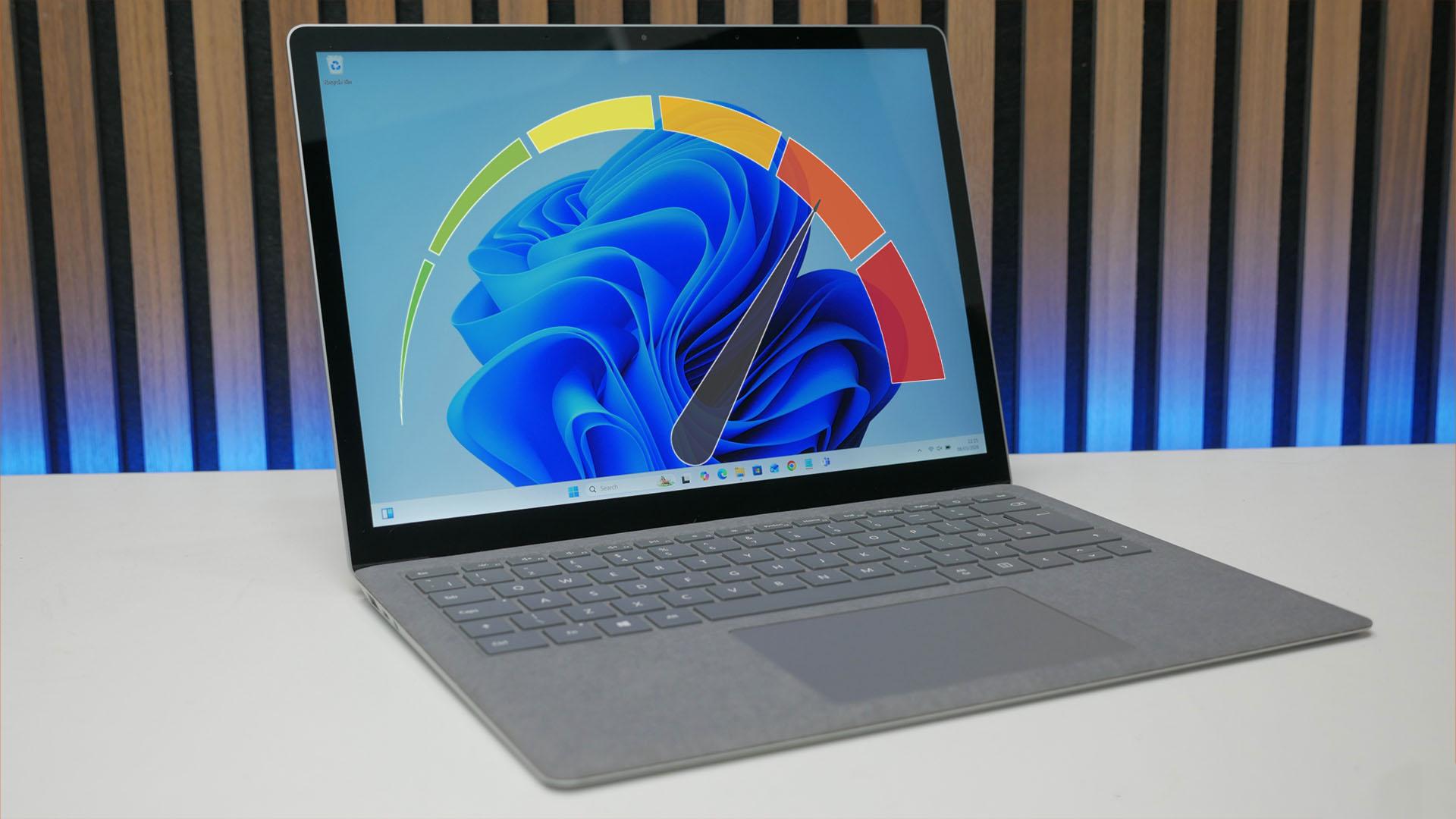
Windows 11 rumored to get new mode that instantly boosts game and app performance by up to 70%, but there's a catch
Windows 11 has been getting criticism from all directions in recent months, thanks to its proliferation of CoPilot AI features, sluggish performance in handhelds relative to the Steam Deck's SteamOS, and restrictions on basic customization like taskbar placement. However, green shoots are emerging. Following yesterday's news that Xbox could be ditching CoPilot, today we're hearing that a new Windows 11 low-latency mode could in the works, potentially giving your gaming PC a lift.
Although only rumored at the moment, the new mode is reported to give your Windows 11 system a momentary boost in speed, which should help apps and games to load and generally respond more quickly. However, while this could give even the best gaming PCs a welcome little boost, there is a rather eye-roll-inducing aspect to this possible new feature.
According to sources that spoke to Windows Central, Microsoft is working on a new feature called "Low Latency Profile," which will ramp up your PC's CPU frequency for short bursts of one to three seconds. This burst of speed can be called upon to make apps load, context menus appear, and other interface elements react more quickly.
When enabled, this mode can reportedly provide up to 40% faster app launch times and up to 70% faster load times for interface elements, such as the Start menu and context menus. The 40% figure is specifically for Microsoft apps like Outlook and Edge, but the new mode is also expected to provide boosts for "most common third-party apps," too.
So, yes, according to this report, Microsoft is effectively implementing a micro overclocking feature to use your hardware to increase performance, rather than making its code more efficient. For most desktop systems, this isn't a problem as such, as the blips in power consumption and CPU temperature associated with these momentary speed increases shouldn't affect your electricity bill or CPU stability/cooling too much (although it could have implications for manually overclocked CPUs).
Microsoft has also said the new profile won't have much impact on battery life and thermals for laptops and handhelds, as the speed boosts are so short. However, any amount of unnecessary ramping up of CPU speed is at least going to slightly increase power consumption and reduce battery life, even if just by a little bit.
The new Low Latency Profile is apparently being worked on as part of the wider Windows K2 effort that aims to fix "the biggest complaints that people have about Windows 11 today" and is still very much in early testing. It's also unclear if the feature will be one that the user can toggle on and off, or if it simply works all the time in the background. Currently, in testing, it works in the background.

 Arabic
 French
 Spanish
 Portuguese
 Deutsch
 Turkish
 Dutch
Dutch
 Italiano
 Russian
 Romaian
 Portuguese (Brazil)
 Greek
Greek