


A La Gato Studios/Shutterstock
One of the most instantly recognizable tastes of summer is that of a juicy, ripe watermelon (a fruit you should probably eat more of due to its various benefits). But as you enjoy this hydrating, nutrient-rich treat, you may find yourself wondering about the seeds. Some are hard and black, but others are soft and white. It turns out the reason for this is a simple matter of plant biology.
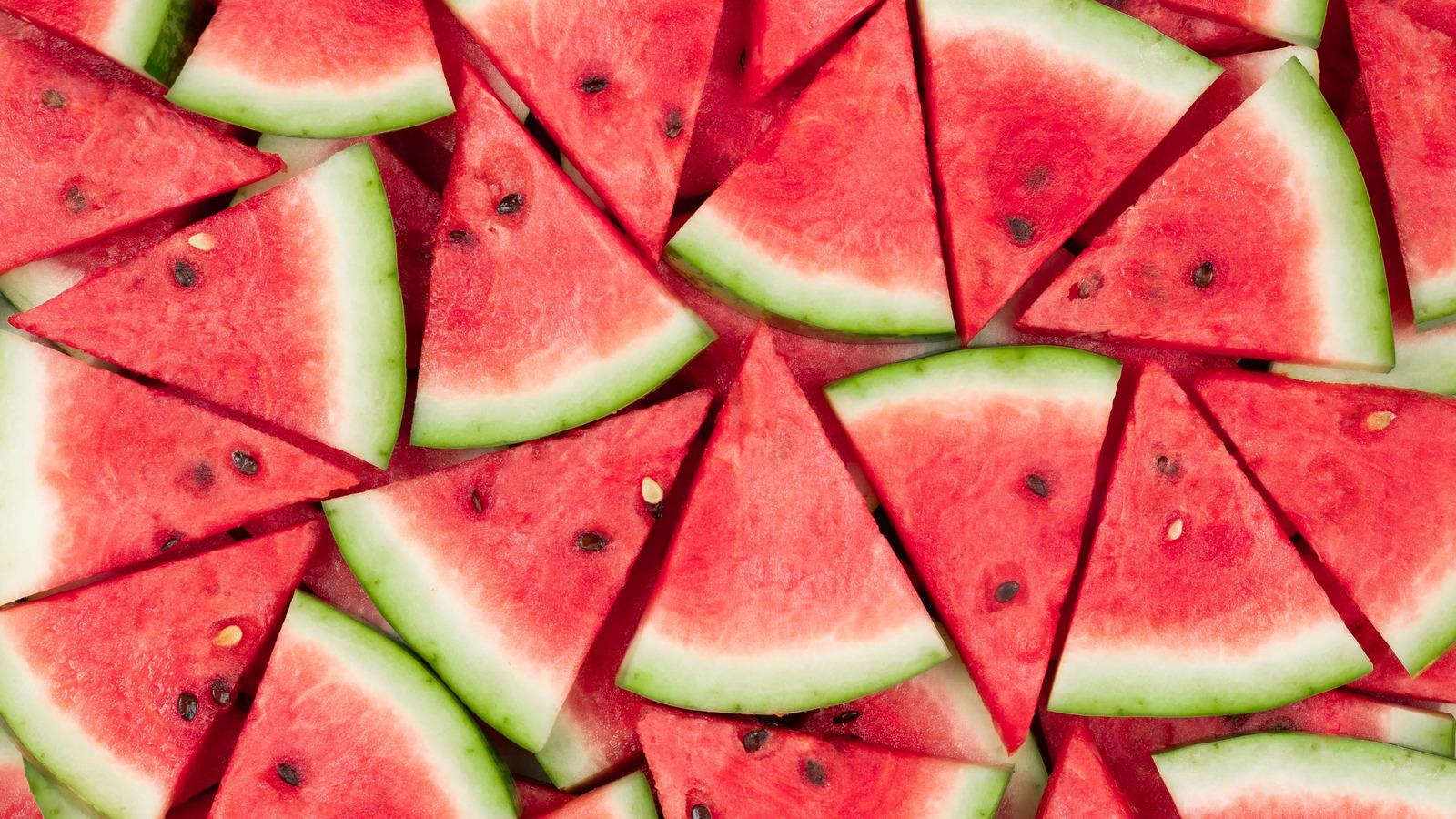
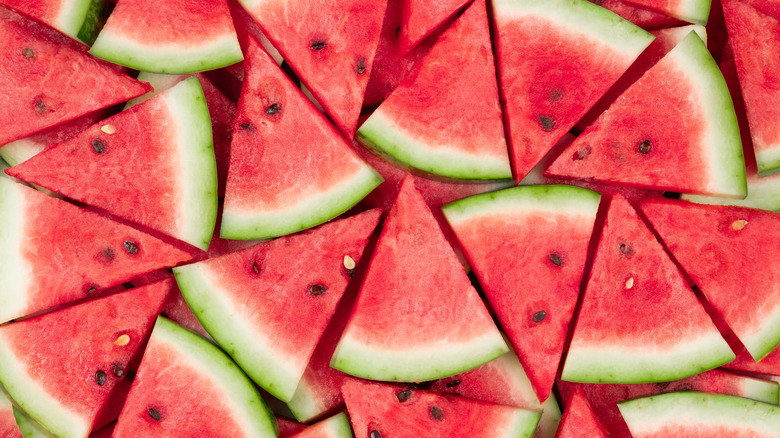
The seeds studded throughout the watermelon's flesh don't all mature at the same rate. Even as most of the fruit and its seeds are ready to harvest, there's generally a small portion that are still underdeveloped. These are the softer, paler seeds you may notice, particularly in so-called "seedless" watermelon varieties. Those are bred to not develop the hard black seeds that can make eating the fruit more challenging.
There are occasional exceptions to this explanation for white seeds. They include unique heirloom varieties such as Odell's Large White watermelon, which naturally produces white mature seeds. However, these are relatively uncommon, particularly when it comes to commercially grown melons.
Great to eat, not so great to grow
amine chakour/Shutterstock
No matter which color seed you encounter, there's one thing they have in common. They're both completely safe to eat, even if the harder ones have a far less pleasant texture. Many may be surprised with how healthy they are, too. They're high in protein for their size and packed with vital nutrients like iron and magnesium.
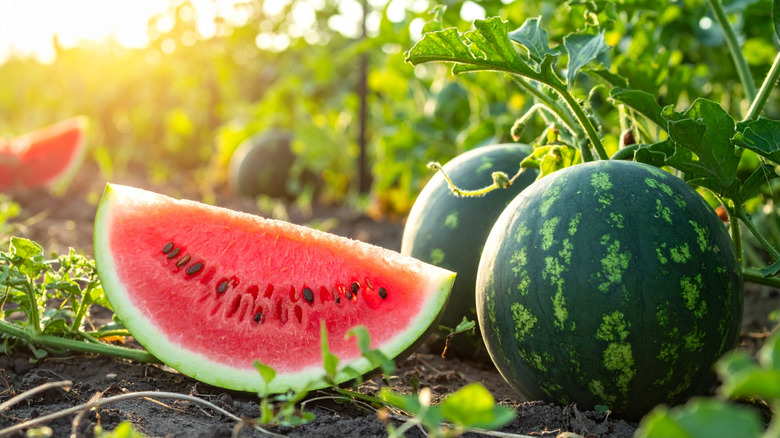
However, one key difference may be felt more by gardeners than foodies. While black seeds can be processed and planted in the ground to grow a new watermelon plant, that's not possible with white ones for reasons related to genetics or maturity. In any case, even people with green thumbs shouldn't expect a plant sprouted from a grocery store watermelon seed to produce similarly delicious fruit, as the new plant won't necessarily be similar genetically to its parent.
There are so many amazing ways to use a watermelon, from ice pops and drinks to salsas, salads, and even grilled watermelon. Whichever one you choose, don't be concerned about the presence of some white seeds. They're soft and safe to eat.

 English
 Arabic
 Spanish
 Portuguese
 Deutsch
 Turkish
 Dutch
Dutch
 Italiano
 Russian
 Romaian
 Portuguese (Brazil)
 Greek
Greek