


mujahid57/Shutterstock
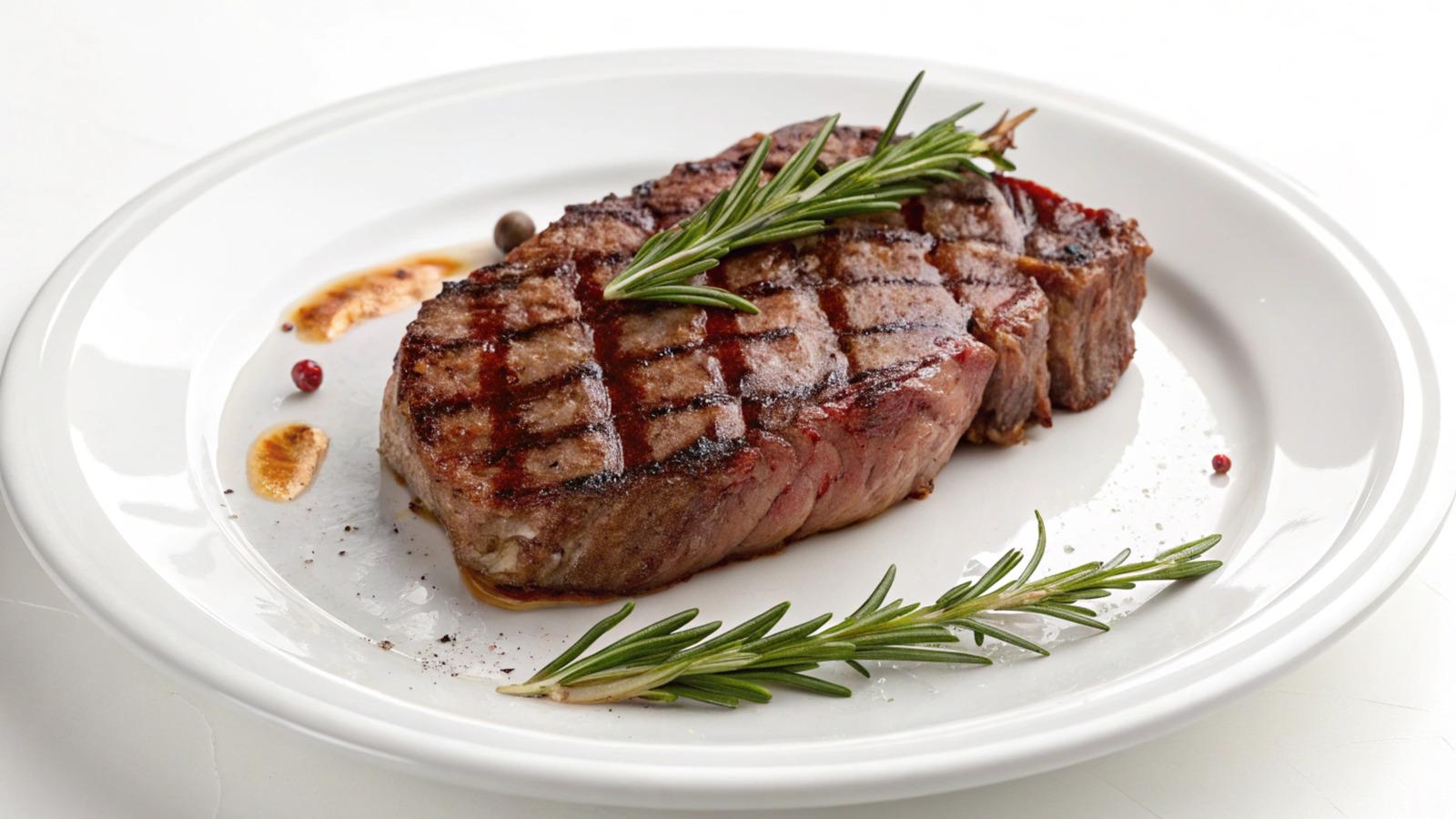
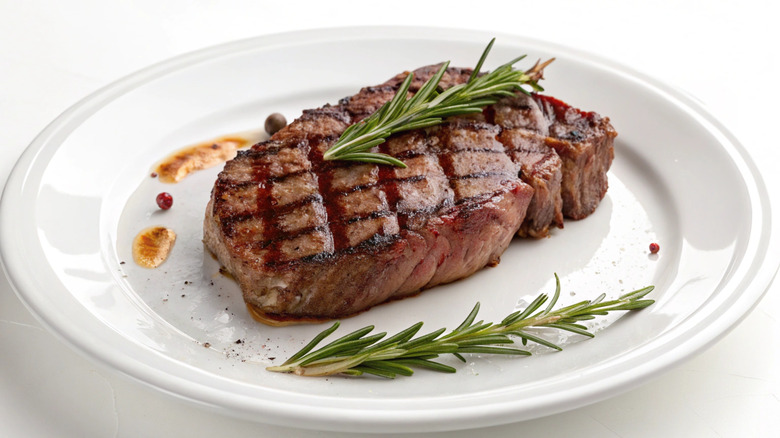
One look at the butcher's counter or the meat department will make clear that there's no single definition of steak. In fact, while there's no official count, dozens of beef cuts can be sold as steaks. That includes cuts that are very tender, along with others that are naturally tough and chewy (here's a guide to which is which). Often, cheaper steaks are tougher, while more expensive ones like filet mignon are practically buttery when cooked carefully.
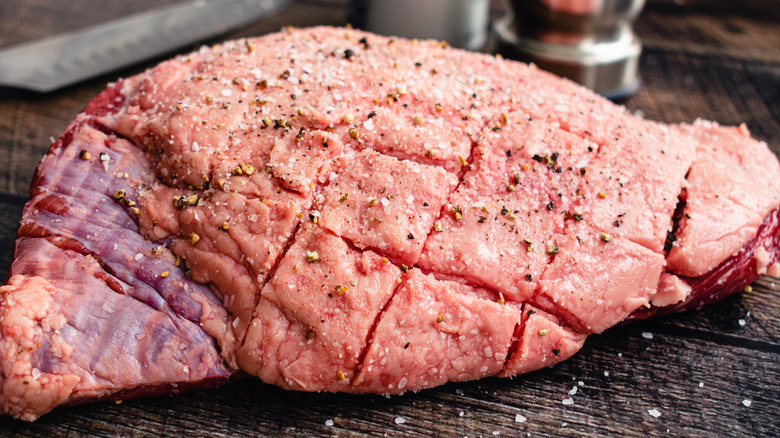
Even regardless of the natural chewiness or tenderness of the meat, there are ways to tenderize tough meat, and one of the best is scoring it, or lightly cutting slits through the steak. To score a steak for maximum effect, use a sharp knife to make a series of cuts no more than about ⅛ of an inch deep, ¼ of an inch apart from each other, across the meat. Then repeat running in the other direction, so that there's a grid of shallow cuts. Repeat that on the other side of the meat, too, for the best tenderizing.
While flank steak is still one of the tougher cuts of beef, scoring will help make it more tender (and more easily chewed). Other cheaper cuts like hangar steak will also benefit from scoring. Cooked without tenderizing, these cuts won't do very well on the grill — they'll get too chewy — but scoring them is an easy way to prepare the steak for grilling.
Scoring works because it cuts tough fibers and increases surface area
Candice Bell/Shutterstock
So how exactly do these shallow slices work to make a steak easier to chew? All cuts of beef are the cow's muscle fibers, and the muscles that are more heavily used by the cow make for chewier meat. Slicing through the long, tough muscle fibers before cooking preemptively breaks them up, similarly to the way you might chew them.
It gets better: These small cuts also increase the surface area of the steak. That means more area for the Maillard reaction to happen, leading to a better crust on the outside without overcooking the inside. It also allows marinades to penetrate into the steak more deeply. For extra-tender steak, combine scoring the cut of beef with chemical tenderizers in the marinade. Acids, like vinegar or lemon juice, will help soften the meat as it's marinating, and certain fruits like papaya or pineapple have a similar effect. By slicing slightly into the meat, you're giving the marinade extra ways into the cut other than just the outside of the piece of meat.
Scoring helps with other cuts of meat, too, such as pork shoulder or rack of lamb — although, in those cases, the process is more about helping fat render evenly (giving the fat more opportunities to essentially melt out of the meat while cooking) than keeping the meat itself tender. So a note of caution here: Scoring will dry out, not improve, a very lean cut like filet mignon because it'll allow too much fat to get out during cooking.

 English
 Arabic
 French
 Spanish
 Portuguese
 Turkish
 Dutch
Dutch
 Italiano
 Russian
 Romaian
 Portuguese (Brazil)
 Greek
Greek