


evgeeenius/Shutterstock
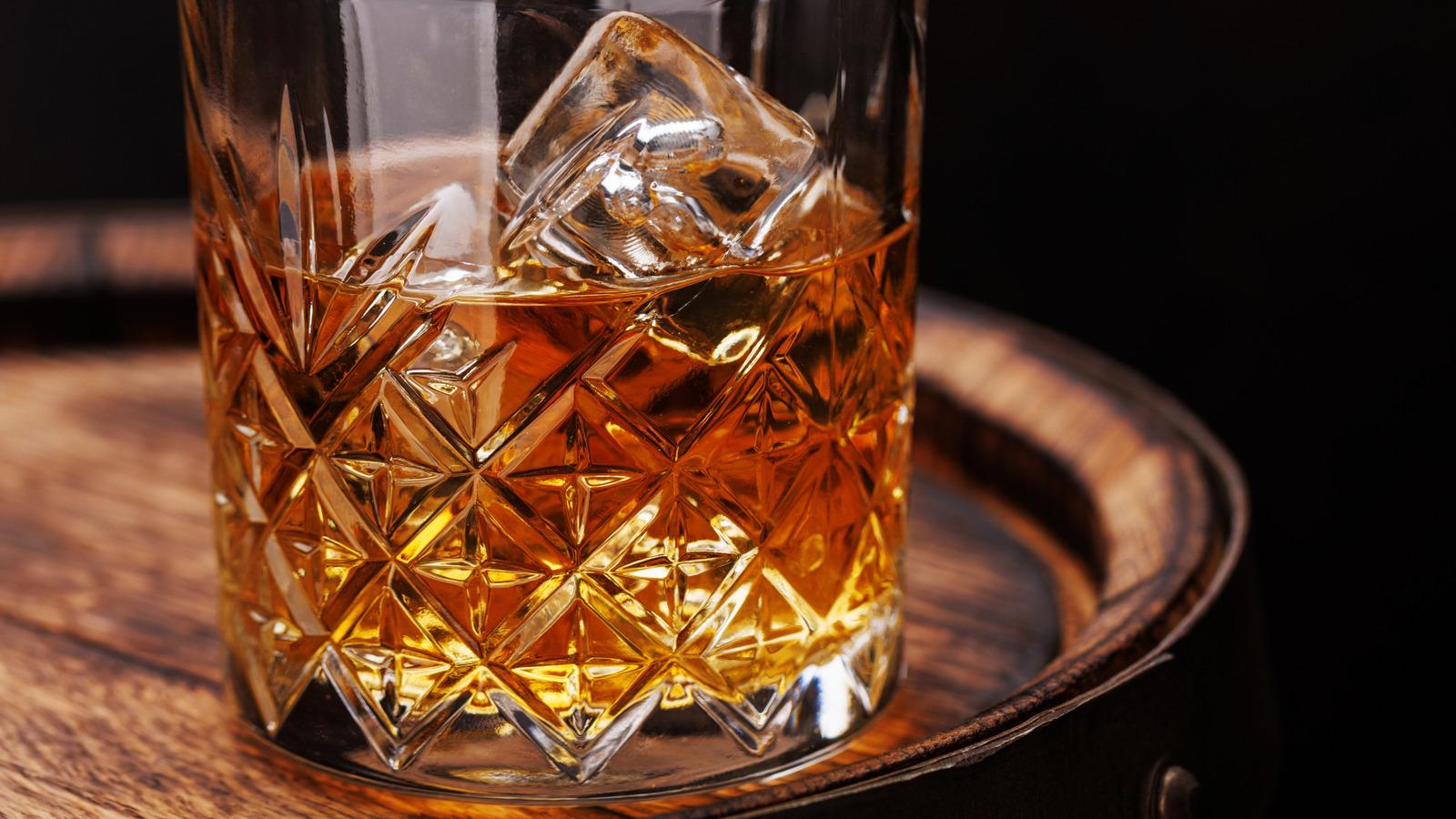
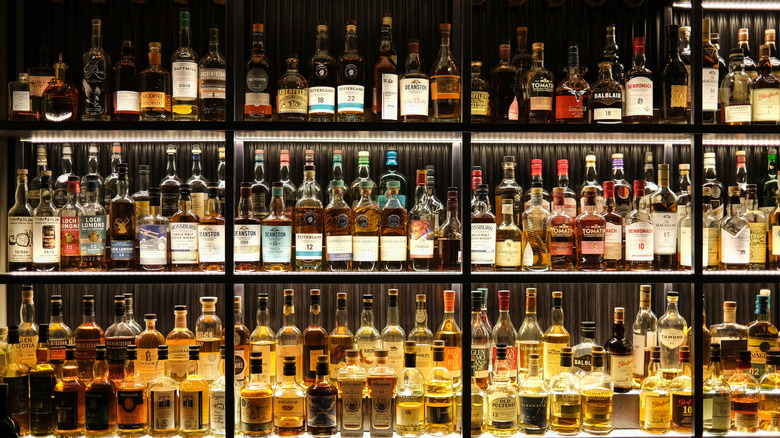
Your first time picking out a bottle at the liquor store can be a little intimidating. Some of us pick out wine based on pretty labels, but this method becomes a bit tricky when it comes to whiskey. While there are certainly exceptions, many brands stick with more minimalist and traditional labels, and you'll end up staring at a sea of honey brown liquids. So, what is a total whiskey amateur to do?
Instead of getting overwhelmed trying to decipher the differences between all the different types of whiskey, you actually don't need to know a lot about the spirit to pick out a decent bottle. If you come armed with a few pieces of knowledge on brands, color, clarity, and labels, you can quickly filter through the bottles that should remain on the bottom shelf. Knowing the difference between blended whiskey and single malt, Bourbon vs. scotch — all of this is important, but you don't need to learn everything right off the bat.
Luckily, more expensive doesn't always mean better. Know that at almost every price point, you can find a solid bottle, and selection in the $25 to $60 range is a good price point to look at. Over time, you'll come to develop your personal taste in whiskey and know what varieties and flavors you like. Starting out is all about discovering your preferences and making sure you don't get turned off by the spirit from bad, cheap brands.
Start with well-established brands
Hiob/Getty Images
As you traverse deeper into your whiskey connoisseur journey, you'll gain an informed understanding of your favorite flavors and styles and be able to branch out to smaller, independent distillers with confidence. For your first bottle, however, going with a well-established brand is your best bet. These producers built their reputations by delivering consistent quality and have won awards for exactly that.
This doesn't mean you have to go for high-end bottles, though. Many top brands offer bottles at an affordable entry point. Jameson, Bulleit, and Wild Turkey are among the recommended brands for beginners because they show different whiskey styles while maintaining high standards. Trying these brands will help you develop a baseline for good whiskey, and also help you establish your own taste preferences.
There's a flipside to this, too. Some of the best-known brands are the least liked. On an r/Bourbon Reddit thread, users complained about certain varieties of Jack Daniel's (America's top selling whiskey) and Jim Beam being the worst whiskey they've ever tried.
Avoid added colors and flavors

Igorr1/Getty Images
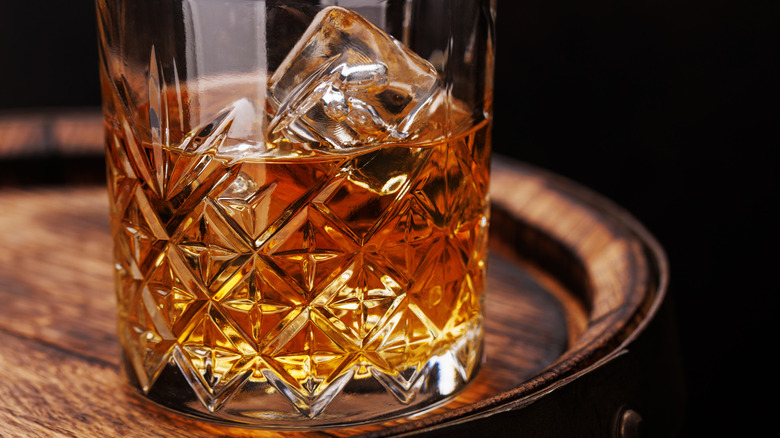
When browsing a shelf of whiskey, it's easy to be drawn in by the deeper shades of amber. The truth is, a whiskey's color can be misleading. A darker hue is not always an indicator of stronger flavor or age. Some producers add caramel coloring to create a more visually appealing product. Whiskey that has been aged longer is often darker, so this can trick our minds into thinking the bottle is higher-end. That said, added coloring shouldn't affect the flavor.
On the other hand, natural flavoring is sometimes added to enhance whiskey. In the United States, these additions may include essential oils, fruit juices, herbs, honey, and spices. Added colors and flavors aren't immediately a dealbreaker, but in some cases, these additives can mask a lack of quality.
A good rule of thumb — and this is true for other liquors, too — the fewer additives, the better. This is not necessarily coming from a health standpoint, but rather for whiskey beginners. Choosing whiskey in its purest form helps build a clearer understanding of what different styles taste like. Regulations on additives vary by region and type of whiskey. For example, the United States federal law on American whiskey standards states that bottles can contain up to 2.5% additives, and their presence must be indicated on the bottle's label. Bourbon cannot legally contain any level of additives.
Aged whiskey has a more developed flavor
Imaginima/Getty Images
Once you start paying more attention to whiskey labels, you'll notice that the length of time it has been aged is listed on the front. Older whiskeys aren't automatically better, but age can be a good starting point for beginners who want to avoid the cheapeast bottles. Most lower-priced whiskeys haven't been aged for very long, and this is reflected in the price. At Costco, the difference between Kirkland Signature's cheapest whiskey and its most expensive is exactly that – how long it was aged for.
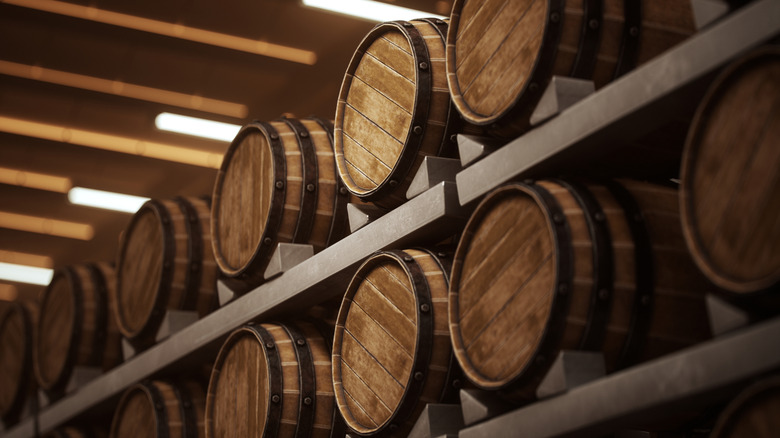
Whiskey that has been aged longer typically has a deeper, more complex flavor profile. More time spent in barrels allows the spirit to develop the notes that most expect from whiskey, like smokiness, vanilla, caramel, spice, and tobacco. Younger whiskey, on the other hand, can sometimes have a sharper, harsher, and more alcohol-forward taste. Aging helps mellow out these flavors.
For those just getting into whiskey, choosing something that has been aged a bit longer can be a safer bet. That doesn't mean chasing the highest number on the label, especially since aging requirements vary across styles. According to Cigar and Whiskey Guide, looking for bottles that have been aged for eight to 12 years is a good starting point, as these tend to be the most balanced.
Be wary of hazy or cloudy whiskey
Bizoo_n/Getty Images
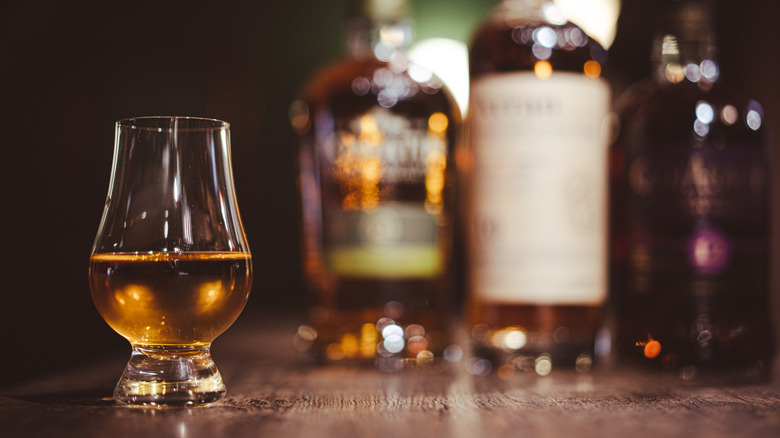
Haziness can be a cool characteristic of unfiltered beer or natural wines, but this is a feature that's best avoided with whiskey. High-quality whiskey should have a clarified appearance, with no traces of sediment or opacity. If the liquid looks hazy or cloudy, this can be a red flag, signaling that there was a filtration issue or that it came from a producer that took shortcuts in the distillation process.
There are, however, whiskeys called non-chill filtered. These spirits have not gone through the typical chill filtration stage. When whiskey is cooled to freezing, any sediment present comes together (a reaction known as flocking) so it can be easily removed. Non-chill filtration is an intentional decision by distilleries that want to preserve a particular flavor or mouthfeel. Flocking can also occur when whiskey is diluted with water. If the whiskey is not distinguished as non-chilled filtered, no sediment should be present.

 English
 Arabic
 French
 Portuguese
 Deutsch
 Turkish
 Dutch
Dutch
 Italiano
 Russian
 Romaian
 Portuguese (Brazil)
 Greek
Greek