


Whitebalance.space/Getty Images
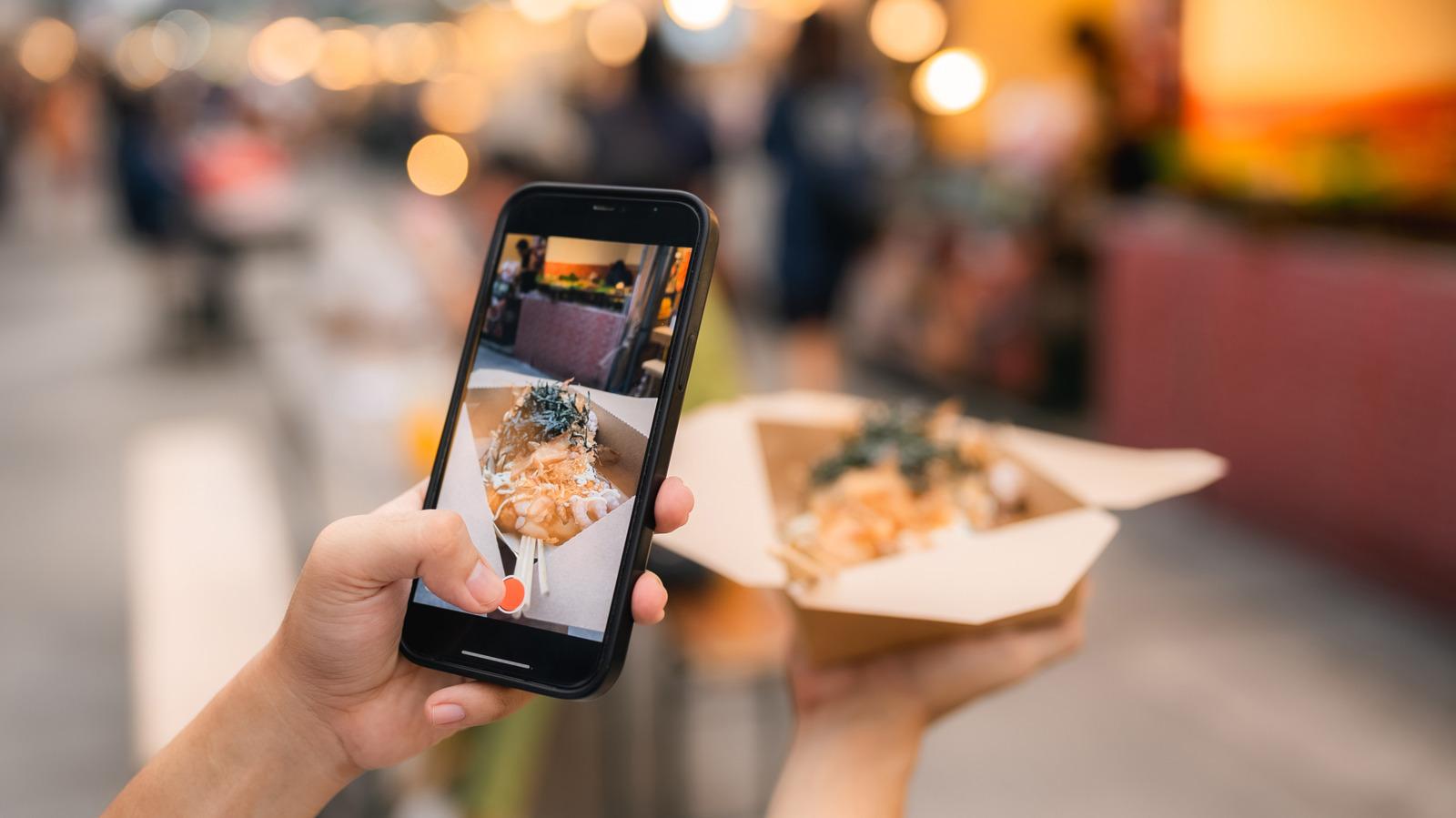
The first few months of 2026 have passed and we're already seeing food trends that are so ridiculous, they should be stopped. We're talking about trends that have gone on for too long, are overhyped, too indulgent in light of the current economic climate, exploitative, or indirectly harming consumers' health because of misinformation. But on the flipside, there are also trends that are so fun and creative, it might be worth the agony of seeing more ridiculousness on your For You Page to see how far the good stuff can go.
Who is anyone, really, to judge the merit of a trend? But we are an opinionated bunch, and we want to share some insights on what we consider worthy of your time and attention, versus food trends that, in our humble opinion, should have been left behind in 2025. On that note, here are some of the most ridiculous food trends that we have observed so far this year.
Two-ingredient Japanese cheesecake
Ellsy S/Shutterstock
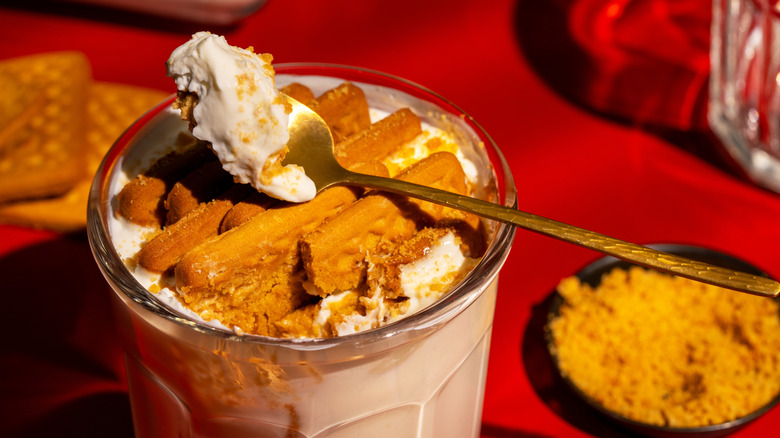
One of the first viral recipes of 2026 was the Japanese yogurt cheesecake hack. A two-ingredient recipe that even children could make with their eyes closed, it became so popular that you couldn't scroll too far on your social media feed without seeing videos or pictures of people trying it out. The secret to its popularity is the simplicity of the recipe: two ingredients, refrigerate only, no need to mix anything. Simply stick Lotus Biscoff biscuits into a tub of plain Greek yogurt, refrigerate for a few hours to a full day, then enjoy. Some swear it tastes just like cheesecake, but others think otherwise.
"It's somewhat more like a mousse than cheesecake," according to lifebypho on Instagram. It doesn't taste exactly like cheesecake, but the yogurt loses a bit of its tanginess to the biscuits. Likewise, the biscuits become soft and lend their flavor to the yogurt. Emmymade on YouTube had a similar review. "It is reminiscent of cheesecake," she said, pointing out similarities like the creamy texture and toasted, cinnamon flavor similar to a graham cracker crust.
This simple recipe is yummy, but it's just not cheesecake. Some people experiment with flavored yogurt, but it's usually more of a miss. For instance, natcooking_ shared a reel on Instagram trying it with vanilla yogurt, but noted it just tasted like yogurt and biscuits. This trend is ridiculous if you're craving real cheesecake, but if you're cutting down on sweets, it could be a nice alternative.
Toss-in, mix, and bake recipes
New Africa/Shutterstock
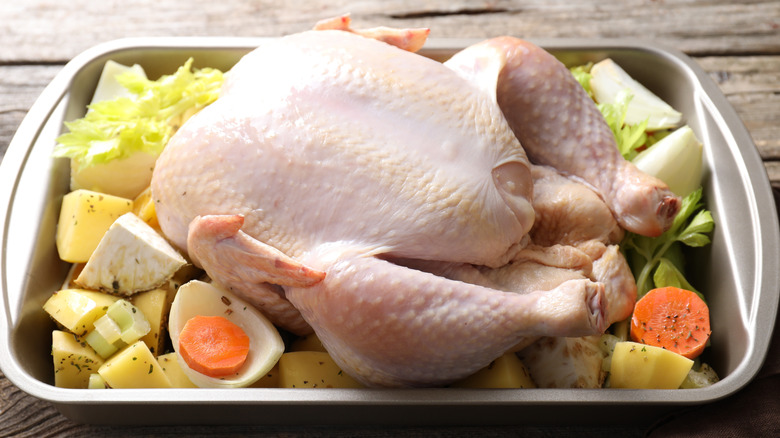
When short-form videos became the currency on social media, food content creators followed suit. This explains an ongoing trend in cooking videos where people simply toss ingredients in a baking dish, mix everything, then bake the contents in the oven or air fryer. These videos are appealing because they are so easy to follow, plus they require little effort, which is perfect for people who crave home-cooked meals but don't have the skills or time to whip up some magic in the kitchen.
There's just one detail about these videos that's a bit ridiculous: The meat isn't marinated. Some people simply sprinkle it with spices and sauces, then bake the dish right away. Yes, speedy cooking is the point of these videos, but people following these recipes are missing out by skipping the marinade. All the flavors from the spices and aromatics will just pool at the bottom of the baking dish. The meat itself? It tends to taste bland without the sauce.
If following these quick recipes that include meat, marinate it for a few hours or overnight. This simple step can vastly improve the dish. Alternatively, use a rice cooker with a heavy lid that locks in place. Unlike air fryers and convection ovens, which tend to dry out meat as hot air circulates inside the cooking chamber, a rice cooker locks in moisture more effectively, allowing the flavors from the spices and other ingredients to be incorporated into the meat.
Caviar on everything
Early in February McDonald's released a McNuggets with premium Baerii Sturgeon caviar kit for a limited period. It rides the recent trend of people eating caviar on everything. People have put caviar on ice cream, chicken fingers, hash browns, burgers, cakes, and pastries. Considering caviar's taste profile — briny, nutty, and buttery — some of the pairings people come up with are rather weird. But that's not the only thing that's ridiculous about this trend.
Caviar is a luxury good that costs up to $3,500 a pound. It has historically been expensive because it is rare; however, supply in the U.S. and abroad has increased in recent years, thanks to China's massive sturgeon farming industry. This is why many restaurants are now offering menu items like $100 wagyu hotdogs topped with caviar. Wholesale caviar is more affordable too, thanks to the abundance of Chinese caviar in the market.
And yet, caviar has remained expensive, with companies still selling it in small tins for the same high prices. Although restaurants can buy wholesale caviar for less, they still create pricey caviar specials. Really, caviar should be cheaper now that supply is matching the demand. However, restaurants and consumer trends are keeping alive the perception that caviar is a luxury.
Smaller food portions
Artit Wongpradu/Shutterstock
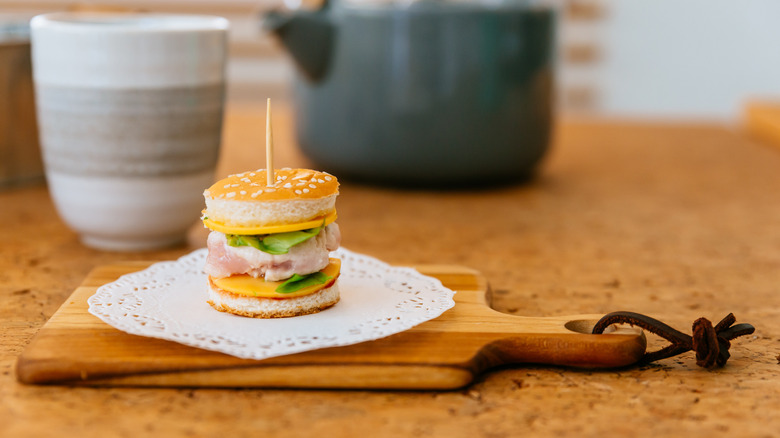
With grocery prices rising ridiculously in the past year, people are noticing that food producers, restaurants, and fast food chains have started adjusting portions to match the inflation. It is a logical move, business-wise: Prices can remain the same despite the increasing costs. Unfortunately, consumers are getting the short end of the stick, because it means food portions are now smaller than what they used to be.
Boss From Home on YouTube summarized the shrinkflation that's been happening in a video that compiles TikToks and commentary from consumers all over the country. People have called out Subway for their 5-inch sandwiches; Gatorade for adding a deep concave at the bottom of their plastic bottles, effectively reducing volume capacity; McDonald's for the shrinking Big Macs and Filet-O-Fish sandwiches; and Burger King with Whopper Jrs that have gotten so small you'd think they are sliders.
Silent shrinkflation has been going on for some time, but it has become more visible this year. Buzzfeed recently ran a feature of grocery food items that have become noticeably smaller, lighter, or now contain fewer pieces than before. While we understand that economic factors are at play here, it's ridiculous that consumers are made to bear the brunt of the crisis in a very sneaky way.
High-protein menus
Organic Media/Getty Images
High-protein, GLP-1-friendly menus are trendy right now because more people have been taking Ozempic and similar meds. These are FDA-approved medications for Type 2 diabetes that mimic how GLP-1 increases satiety, suppresses appetite, and lowers blood sugar. In a nutshell, they promote weight loss, and people who take them must maintain a diet that supports that goal.
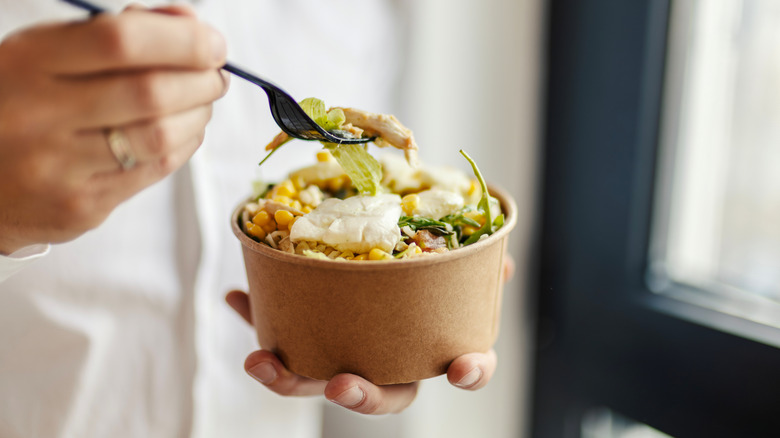
This explains the recent influx of high-protein, low-carb menus in fast-casual chains and restaurants. For example, Chipotle launched a High Protein Menu this year, and Shake Shack introduced a Good Fit Menu of chicken lettuce wraps and gluten-free burgers loaded with up to 52 grams protein. Meanwhile, Subway created Protein Pockets, which are soft tortilla-wraps with 20 grams of protein.
What's ridiculous is that there's so much focus on the protein content of these meals that people don't notice their unhealthy qualities. For example, Chipotle's Double High Protein Bowl has 81 grams of protein, but it also has 11 grams of saturated fat. The American Heart Association recommends a maximum of 13 grams saturated fat per day for heart health. Eating just one Chipotle bowl wipes out that daily allocation. The small serving sizes can also defeat the purpose of these low-carb snacks. When The Daily Meal reviewed Subway's Protein Pockets, the tortilla wraps were smaller and not as filling as they expected. Customers could end up eating extra wraps and consuming more calories than anticipated.
Dubai chocolate everything
Ink N Propeller/Shutterstock
Last year, we predicted that Dubai chocolate would lose its notoriety and no one would remember it in 2026. Well, we stand corrected! Dubai chocolate remains in demand, and this time in various other iterations. People like to experiment with it, and cafes and bakeries have taken creative spins to make their own versions. Now we have Dubai chocolate fruit parfaits, Dubai chocolate cakes, Dubai chocolate croissants, ice cream, Dubai chocolate iced coffee, and more.
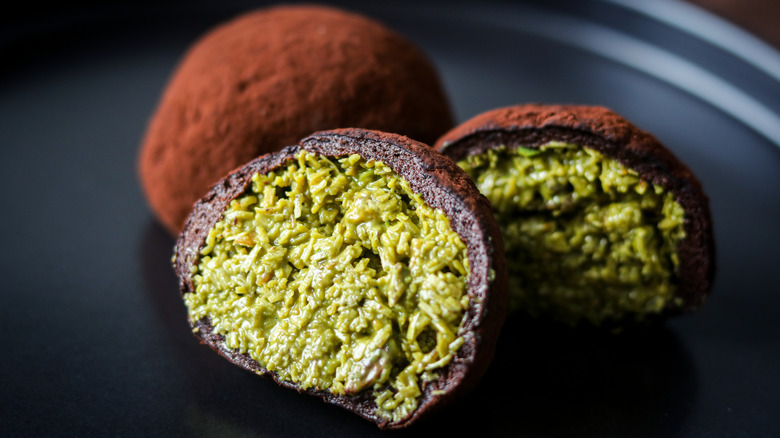
One of the most popular at the moment is the chewy cookie, which exploded in South Korea and quickly spread to other countries thanks to social media. It preserves the key ingredient in Dubai chocolate, which is kataifi. Instead of encasing the pistachio paste and kataifi in hard chocolate, they are wrapped in chocolate marshmallow and sprinkled with cocoa. The result is a chewy dessert, more like mochi than a cookie.
Creative spins on popular recipes are fun and exciting, but too much of anything eventually gets old. It's ridiculous that Dubai chocolate still endures when other food trends die down after months of hype. But hey, we've been wrong once, we might be wrong again. Who knows, someone might come up with another version that would reawaken people's cravings for this famous treat.
Sushi push pops in NYC
One of Japan's beloved dishes has made its way to New York in a new iteration that's a little ridiculous. Suka Sushi in NoMad has exploded among NYC foodies early this year with its innovative sushi roll packaging. Traditionally, the seaweed-wrapped rolls are plated and served with a tiny bowl of soy sauce for dipping. They hold their shape for the most part, but rough handling can unravel the rolls and send salmon, avocado, cucumber, and other components to the floor. Suka Sushi's spin ensures you don't have to deal with chopsticks to enjoy the food.
The store sells sushi rolls in a tube, along with a second, thinner tube filled with soy sauce. Customers can pour as much soy sauce as they like onto the sushi rolls. Then, the soy sauce tube is used to push the bottom of the sushi roll tube upward, so the pre-sliced rolls pop out at the top. The rolls are delicious, and the packaging makes them convenient for anyone craving a filling meal while on the go.
Unfortunately, it is not the neatest way to eat sushi rolls. The packaging may be fun and innovative, but juggling two tubes and trying to eat while standing outside the store is honestly tricky, especially for uncoordinated people. For a dish that's meant to be eaten simply, this trendy packaging feels a little ridiculous and unnecessarily complicated.
Strange food combos
One food trend that started at the beginning of 2026 has people tasting unconventional food combinations to find out if they are delicious or disgusting. This trend uses emojis to tease the weird combinations and what they're supposed to taste like. These videos get a lot of traction on social media because they can be so outrageous and they make people curious. If someone says eating a lemon with marshmallow is like eating ice cream, wouldn't you want to know if it's true?
One of the content creators who spread this trend on TikTok is Indika Agapova. She dedicates her account to tasting strange food combinations, and many of her videos have gone viral and crossed over to other platforms. She tests weird combos that are rumored to taste like something else entirely. Her most viewed video (with 6.5 million views) featured combinations like onion and honey, which apparently tastes like beer; kiwi and banana, which tastes like dragon fruit; and apple and ketchup, which tastes like red chili.
This trend straddles the line between fun and absurd. Some of the combos are truly unusual and ridiculous (i.e., raw egg with lemon supposedly tastes like oysters), that you wonder why people subject their taste buds to torture. But sometimes, they do find surprisingly good combinations, which is probably a reward enough for them.
AI food content on social media
AI videos are now being made about everything, and food is no exception. It has led to an ongoing trend in food videos that have little to do with real food or sharing recipes and are more about entertainment.
The videos posted by Gaming Platter on TikTok are prime examples. The account posts what it calls food parodies: AI-generated videos of raw ingredients churning out cooked food, like a potato letting out fries or a live chicken laying a chicken breast. Some of these videos may break down the components of a dish, but they're not recipe videos with cooking instructions or lists of ingredients and their measurements.
Like many AI generated videos (i.e., dancing animals, famous celebrities as babies or septuagenarians), these food videos are made to make people laugh or elicit engagement from social media users. There's nothing wrong with that, except they clutter your For You Page. And if you engage with one too many, these videos can dominate your algorithm and show you less of the real food videos from your favorite chefs and content creators.
The return of beef tallow
Smith Collection/gado/Getty Images
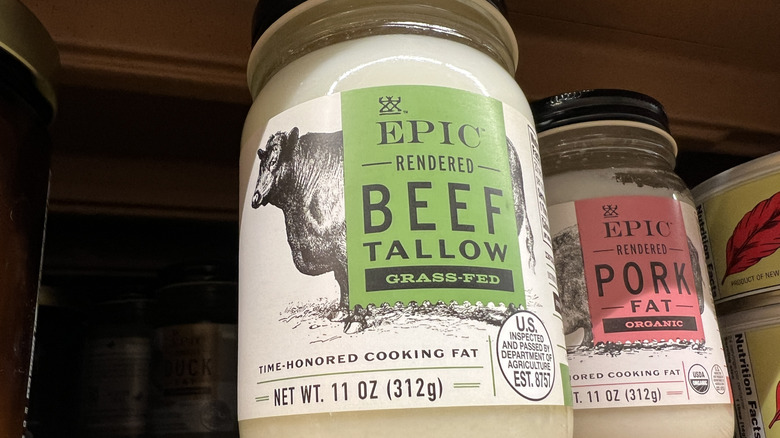
Beef tallow used to be a staple in American kitchens, before processed food became a massive industry and seed oils came to dominate the market. It was an abundant natural fat because cattle production in the country used to be more robust. But cattle supply is now the lowest it's been in 75 years, making beef products, including tallow, more expensive than ever.
And yet, interest in beef tallow has made a comeback, thanks in part to food content creators, chefs, ranches, and steakhouses promoting it as a tastier alternative to seed oils. Additionally, the USDA and the Department of Health & Human Services recently released the latest Dietary Guidelines for Americans (DGA), which recommend using cooking oils with essential fatty acids, like tallow. Soon after the DGA announcement, food brands doubled down on promoting their use of beef tallow for deep fried snacks. Chains like Popeyes, Outback Steakhouse, and Steak 'n Shake also joined the ongoing tallow trend, switching to it for deep-fried menu items like chicken, fries, and blooming onions.
So, what's ridiculous about the tallow trend? It's being touted as healthier than seed oils, but that's not true according to experts. Yes, tallow is rich in fat-soluble vitamins and boosts satiety, which marketers highlight as a weight-loss benefit. But it is also 50% saturated fat, which research shows is linked with health problems like obesity and heart disease. If health is truly the priority, use tallow strategically.
Gut healthy everything
Anatoliy Tesouro/Shutterstock
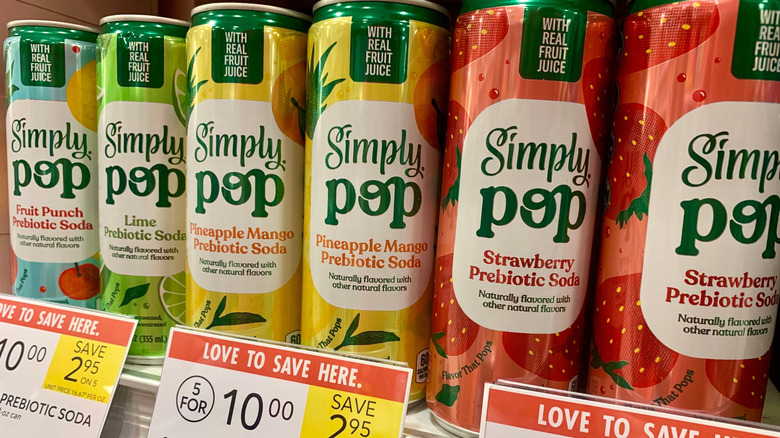
Market and consumer analytics company Innova Market Insights predicted that gut healthy food would be a top trend of 2026. Health and food authorities said the same thing, and they were right. Gut health was indeed big among food brands and content creators during the first quarter of the year. We're already seeing signs of it with the proliferation of drinks and food products labeled as probiotics, prebiotics, postbiotics, and high-fiber. Thanks to social media and the accessibility of information on the Internet in general, consumers are now more informed about these terms and what specific "-biotics" can do for their bodies.
However, just as the positive qualities of tallow have been oversimplified to the exclusion of its unhealthy saturated fat content, the gut healthy label has also been overused and misused. On social media, content creators call pastries loaded with sugar and butter gut healthy because they're made with a sourdough base. Some soda brands claim their products are gut-friendly, but a closer inspection shows the fiber content is negligible when held up against the average daily dietary requirement. Hopefully, this trend will inspire a genuine movement among consumers, and not just be a ridiculous marketing or online engagement tactic.
Dry oat milk slices
In November 2025, Milkadamia launched an innovative milk product that's novel yet simultaneously ridiculous. It released oat milk slices consisting of thin sheets of dehydrated oat milk that are meant to be blended with water to produce oat milk (one sheet for ½ cup of water).
It's easy to see why Milkadamia developed this product. Besides the novelty, oat milk slices are more shelf-stable, can last longer than liquid milk (18 months shelf life), are more sustainable (uses 80% less packaging materials), and cheaper to package and distribute. However, all this seems a tad ridiculous when powdered milk already exists. Why go through the process of molding dehydrated milk into sheets when there's an existing procedure for making powdered milk?
The same question also comes to mind from a customer's point of view. It's far easier and faster to dissolve tablespoons of powdered milk in a glass of water than to blend several slices of oat milk slices in water. More importantly, there's less washing involved when you use powdered milk. Considering that washing dishes is one of the most disliked chores in America (only 27% of people enjoy doing it, according to YouGov), having to blend milk slices to add oat milk to coffee may sound ridiculous for many.

 English
 Arabic
 French
 Portuguese
 Deutsch
 Turkish
 Dutch
Dutch
 Italiano
 Russian
 Romaian
 Portuguese (Brazil)
 Greek
Greek