


Alleko/Getty Images
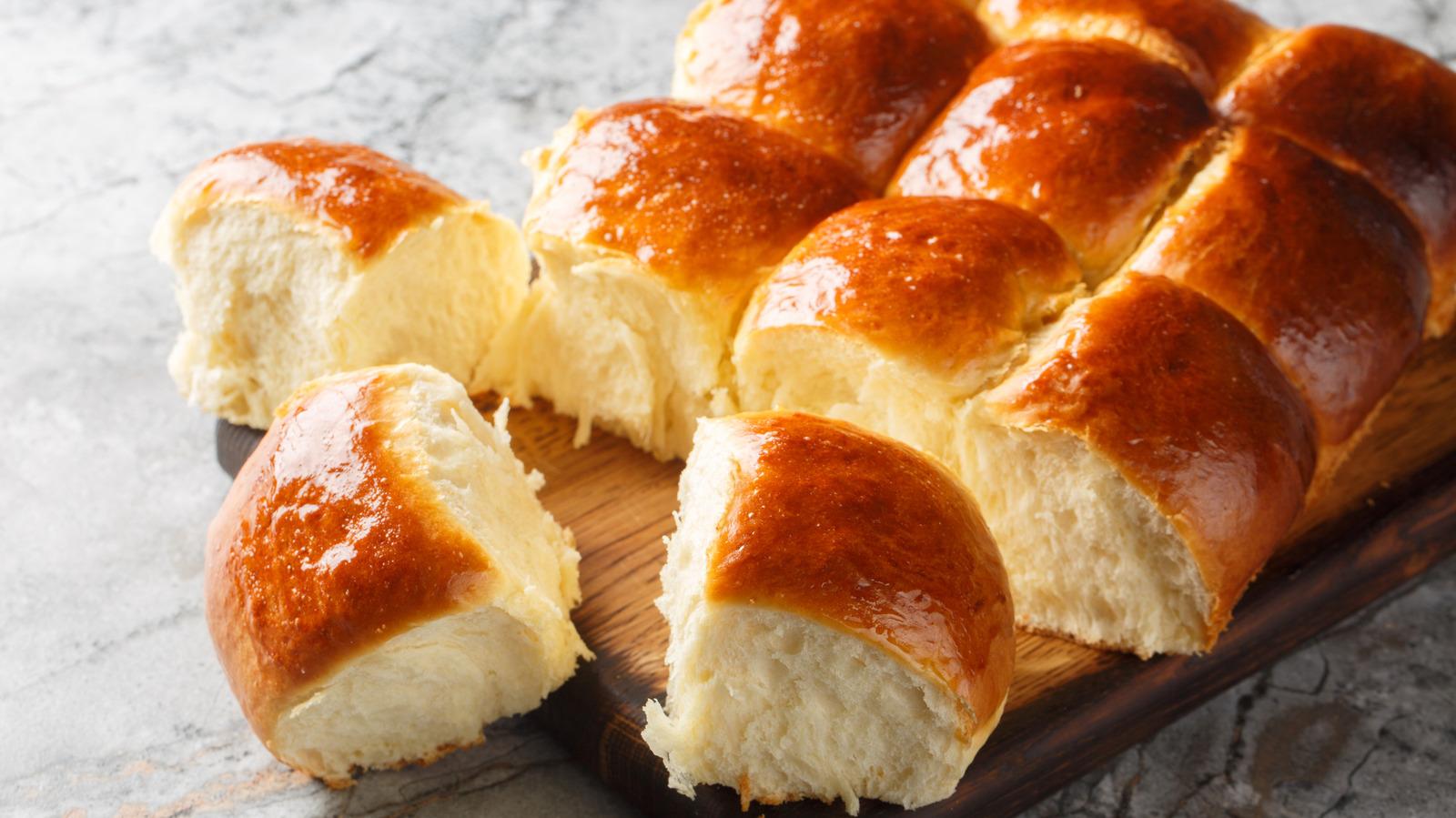
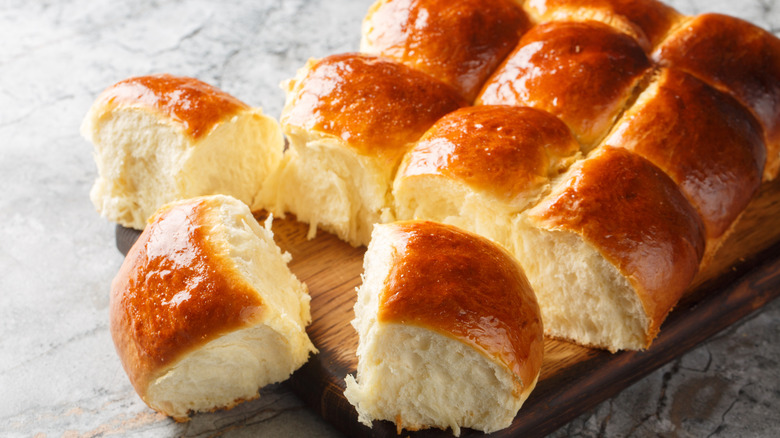
The perfect dinner rolls are light, fluffy, and flavorful — but so often, that's not how they turn out. And sure, there are ways to make store-bought dinner rolls taste homemade, but you'll never get quite the same results unless you roll up your sleeves and get to baking.
There are some common mistakes people make when baking dinner rolls that cause them to not live up to their full potential. If every time you try making your own rolls, they turn out dense, flat, or otherwise not as good as you want them to be, that's disappointing. But once you understand where you're going wrong, you can work out how to improve. As a food writer, I'm constantly thinking about recipes and working out how to make them better. I also used to run a micro-bakery, so I have hands-on experience working with dough and other baked goods. I made all of these mistakes before I learned how to avoid them.
Here are 14 common mistakes I've seen amateur bakers make with dinner rolls. Many of them seem small and insignificant, but they can make all the difference in the finished product. Of course, I won't just tell you where you're going wrong. I'll also explain what to do instead, so you can make perfect dinner rolls every time.
1. Using liquids that are the wrong temperature
Gaelgogo/Getty Images
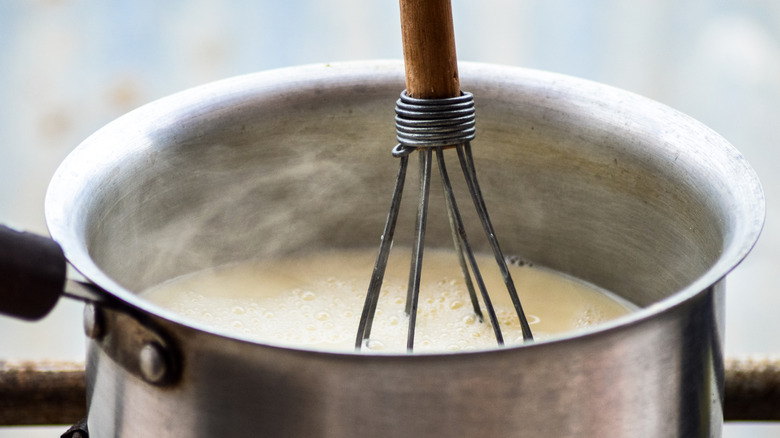
No matter what liquids your dinner rolls recipe calls for — whether that's milk, water, cream, or a combination — their temperature matters. Getting this wrong is one of the simple mistakes that people commonly make with dinner rolls and other yeasted doughs. Some recipes can be vague, either not specifying the temperature or calling for warm (which is subjective) water or milk, and this can lead to problems.
The most important thing is not to make the water temperature too warm. If you use water over 115 degrees Fahrenheit, it will kill the yeast and the dough won't rise. But that doesn't mean the liquid has to be around the 115-degree mark — cooler is fine. Unless you use a thermometer to check, it's best to err on the side of caution. To avoid killing your yeast, opt for water that's tepid or around body temperature instead of water that feels actively warm.
It's also fine to use cold liquid in the dough; it just slows down the activity of the yeast, meaning that it will take longer to rise. Assuming you're not in a hurry and you're worried about over-heating the liquids, just use them straight from the tap or fridge, or bring them to room temperature. In fact, using cool liquid can be helpful on hot days when dough rises faster and it's easier to overproof.
2. Choosing the wrong type of flour for dinner rolls
badebeli2/Shutterstock
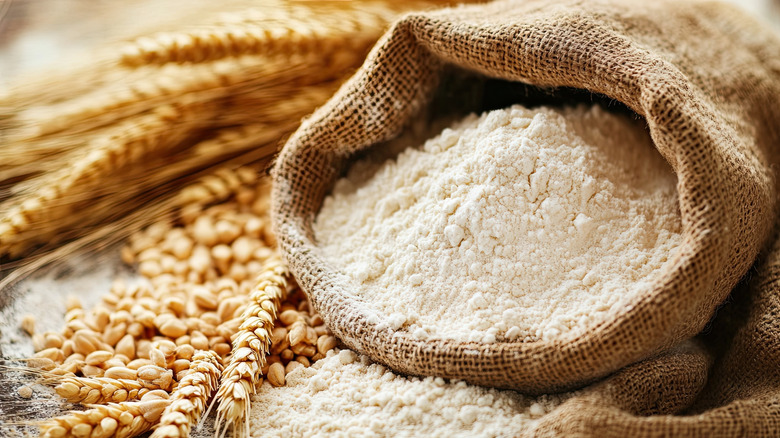
Generally, you might expect to use bread flour for a yeasted dough. It's typically used in bread recipes to give the crumb a good structure. But many dinner roll recipes call for all-purpose flour — and there's a good reason.
Bread flour has a higher protein content than all-purpose flour. This means that you get more protein strands in the dough, which gives the finished bread structure. Think of the springy texture of a perfect focaccia or the chewy sourdough loaves you pick up from your favorite bakery. This kind of texture isn't what most people are looking for in a dinner roll. Rather, we want these kinds of rolls to be light and fluffy — and for that, they need less gluten development. One way to achieve this is to use a lower protein flour, like all-purpose.
Of course, you can use bread flour, but your rolls will come out chewier. That's fine if you want more chew, but it isn't going to give you the fluffy crumb of a classic dinner roll.
3. Using yeast that isn't active
Bhofack2/Getty Images
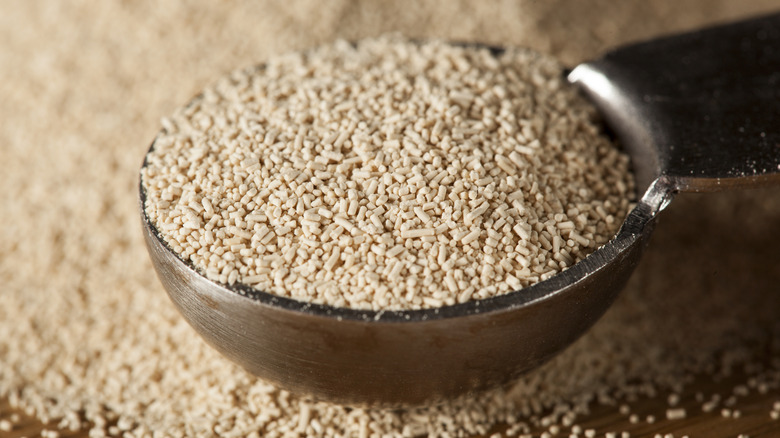
One common problem when whipping up dough for dinner rolls comes from using yeast that isn't active; this leads to flat, unrisen dough. Most people bake with some kind of dried yeast, such as standard dry yeast or instant yeast. Technically speaking, you don't need to proof this kind of yeast before mixing it into the dough, but if you're not certain that it's active, it's best to keep this step.
Proofing yeast is a process designed to check that it's alive, active, and ready to turn basic flour and water into a delicious, risen bread. It involves mixing the yeast with some of the water or other liquid in the recipe and sugar, and letting it sit for a while to see what it's up to.
Generally, you use around a cup of the liquid in the recipe, making sure it's tepid or slightly warmed to speed up the process — though not hot enough to kill the yeast. Mix in the yeast and a tablespoon or so of sugar, and let it sit for five to 10 minutes. If it's foamy after that time, the yeast is active and you're good to go with the recipe. If there's no foam on top, your yeast is dead and you need to get some more.
4. Not using an enriched dough
Sarolta Nagy/Getty Images
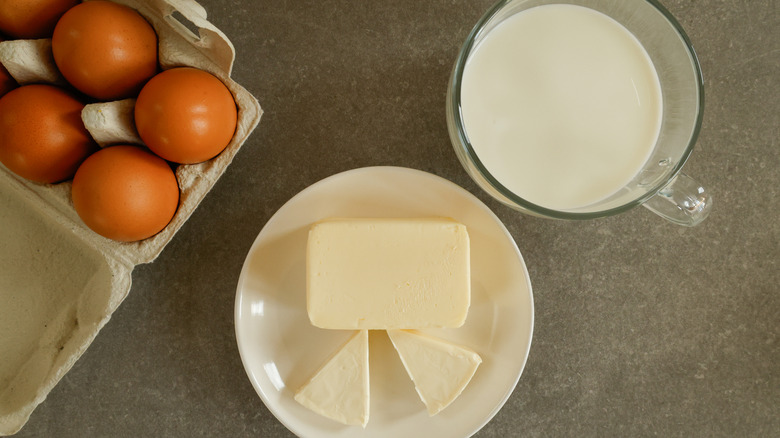
You might think that dinner rolls are just basic bread rolls, and that you can just use any bread roll recipe. But dinner rolls are actually made from enriched dough. This is a big part of what makes them so fluffy. Sure, rolls made with just water, flour, salt, and yeast can be delicious, but they won't have that classic dinner roll vibe without enriched dough.
An enriched dough is one that has ingredients like milk, butter, and egg added to it. Some also include a little sugar. Think of something like brioche or challah, and you have a classic example of an enriched dough. Not all dinner rolls include all of these ingredients, but they should include some of them. For instance, one recipe might contain milk and butter but not egg, while another might use egg and milk but no butter. A small amount of sugar is generally added to dinner rolls, but not enough for them to be sweet like brioche.
Not only do these ingredients add extra flavor, but they also affect the structure. The fats in eggs and dairy products inhibit the formation of gluten, so bread turns out more fluffy and less chewy, which is traditionally what you'd expect from dinner rolls.
5. Adding too much or too little salt
modracice/Shutterstock
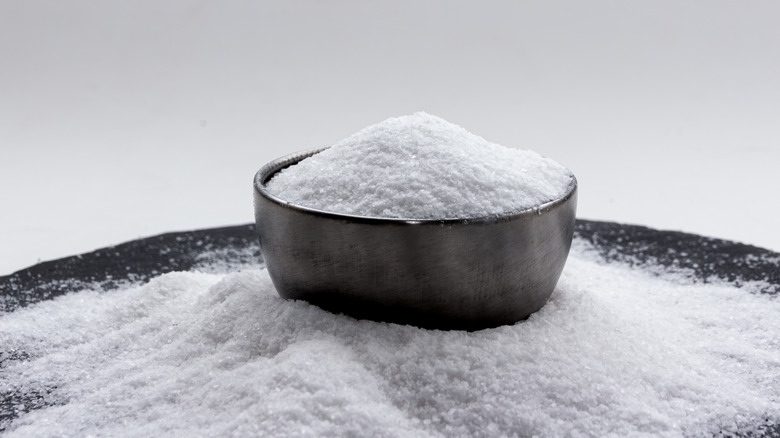
We know that some people try to avoid salt as much as possible, but you should know, leaving it out will affect the flavor of your dinner rolls. Of course, using too much is a problem, too. It's important to get the balance right.
The truth is, bread without salt is bland. If you reduce the quantity of salt or leave it out of your dinner rolls altogether, they won't taste great. However, too much salt also tastes bad. Additionally, salt inhibits yeast growth, so if you really overdo it, your dough won't rise as it should and your dinner rolls will come out flat.
The best thing to do here is stick to the recipe, and also be mindful of the type of salt you're using when you measure it. If the recipe calls for kosher salt or other large crystal salt, a teaspoon of it will be much less salty than a teaspoon of fine salt.
6. Not considering the tangzhong method
Arina P Habich/Shutterstock
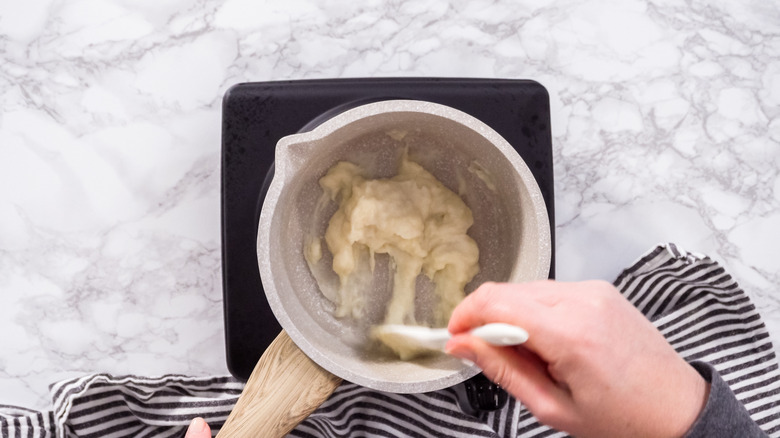
The tangzhong method is one of the hacks for baking bread you'll want to know. If you've ever made milk bread, you'll be familiar with it, even if you don't know the name. And if you've ever eaten milk bread or anything else made with this method, you know how light and fluffy the results can be.
The method involves cooking some of the flour in the recipe with some of the liquid until it gets thick and puddingy. This causes the starch in the flour to gelatinize and, through some kind of science magic that we don't understand, this means that it can absorb more liquid.
As such, recipes made using a tangzhong can have a higher hydration — which means a higher ratio of liquid to flour — while still being workable. And this makes the resulting bread softer and fluffier. In short, if you want to make the softest dinner rolls ever, this is a method you should consider. Look for a recipe that uses this method and follow it rather than trying to wing it yourself.
7. Failing to experiment with different dinner roll flavors
PJjaruwan/Shutterstock
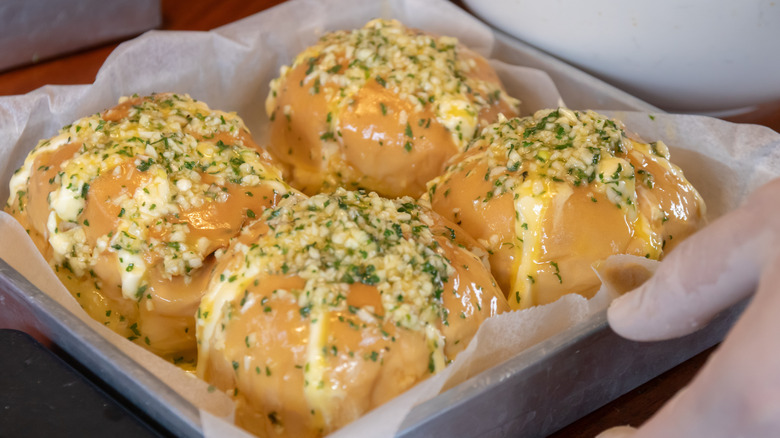
If you only ever bake plain dinner rolls, you're making a mistake. Sure, they can be delicious and sometimes you want the simplicity. However, there's a whole heap of flavors out there that are dying to be added to your dinner rolls.
Aromatics are perfect for adding flavor; case in point: our garlic and herb fan rolls recipe. All kinds of herbs, spices, and alliums (onions and garlic) add loads of flavor. Just think about how the flavors go together and what you'll be serving the rolls with, and pair accordingly. Ground spices are great, but also consider adding whole spices to rolls. Caraway seeds and fennel seeds, for instance, are great additions. Want something completely different? Why not make sweet dinner rolls? Up the sugar and add ingredients like cinnamon, cardamom, or chocolate chips.
You can also experiment with flavor by using different types of flours. Whole wheat flour or rye flour will taste significantly different from white wheat flour. Some people prefer the robust flavor of darker flours, but note that they also change the texture, making rolls less fluffy.
8. Kneading straight away after mixing
Maki_shmaki/Getty Images
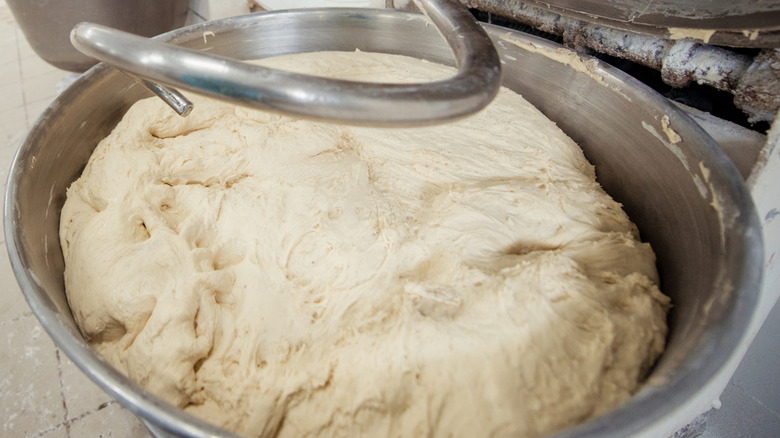
If you usually mix the dough and start kneading it right away, you're missing a crucial step. It makes total sense to assume you should knead right away, which is why it's such a common error, but you'll notice the difference if you let the dough rest for a while before working it.
When making dinner rolls, start by mixing the dough ingredients until they're just combined. You can do this with a stand mixer, or with a dough whisk — whichever you prefer. But then resist the urge to start kneading right away. Cover the bowl, step away, and let it rest for 30 minutes.
This period of rest does a few things: It gives the flour a chance to absorb the liquid in the recipe, it lets the gluten network start to develop, and it also lets the gluten relax, so it isn't so stiff. This makes the dough easier to knead. It also helps with early gluten formation and can ultimately make the rolls more tender. Yes, it's an extra step, but if you have the time, it's worthwhile.
9. Kneading too little or not enough
Lakshmi3/Getty Images
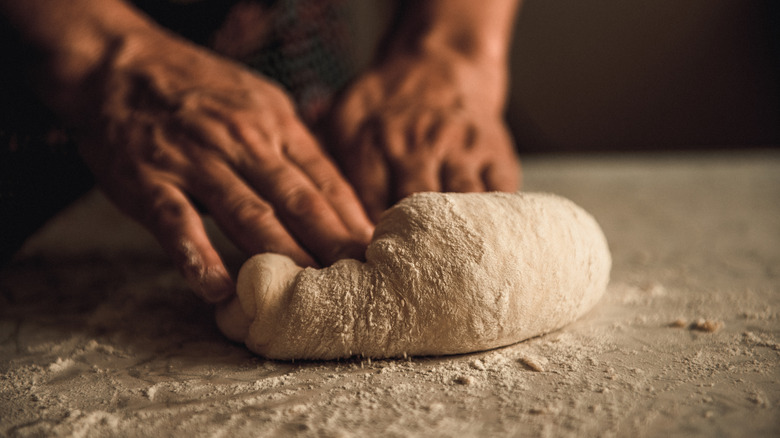
Once you've mixed and rested your dough, it's time to knead it. This is someplace where people can easily go wrong. When you don't knead it enough, the gluten doesn't develop enough, so the dough won't hold its shape. This can cause it to have minimal oven spring, which makes dinner rolls turn out flat. But if you over-knead it, your rolls can turn out dense and dry inside due to excess gluten formation.
Recipes usually call for a specific length of kneading time — sometimes as little as five minutes. But there are all kinds of variables that can affect this, such as the protein content in the flour, whether you're kneading by hand or in a mixer, and how much fat is in the recipe. You're better off being able to read the signs telling you when it's kneaded enough.
So, how do you tell if your dough is properly kneaded? One way is to use the windowpane test. This involves tearing off a walnut-sized ball of dough and stretching it out. You should be able to stretch it thin enough that you can see light through it without it snapping. This is similar to Paul Hollywood's tip for knowing when dough is kneaded enough: Pull a piece of the dough and stretch it out. If it can stretch to 20 centimeters without breaking, it's ready.
10. Proofing the dough for the wrong amount of time
Tamer Yilmaz/Getty Images
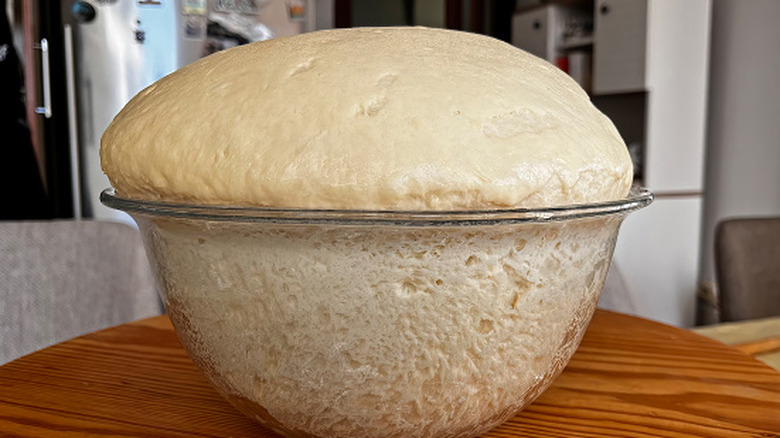
Proofing is the process of letting your dough rise. The first proof, when you let your whole bowl of dough rise, is known as the bulk ferment. What to know about proofing bread is that you can do it for too long or not enough, and that both of these come with their own resulting issues.
Underproofing is when you don't let the dough rise for long enough. During proofing, the yeast in the dough ferments the carbohydrates in the flour. This creates gas that gets trapped in the dough, making the bubbles — small or large — that make up the crumb of the bread. When you underproof, there isn't enough time for these bubbles to form so your dinner rolls may come out dense and gummy.
Overproofing is when you let the dough rise for too long. There are two problems with this. Firstly, the yeast runs out of food so there's no yeast left when you put the bread in the oven, and it won't puff up during the initial baking process known as oven spring. Secondly, the excess stretching from all the gas trapped in the dough can cause the gluten to break down, making the bread flatter. You should stop proofing when your dough has roughly doubled in size. This takes about an hour at room temperature, but can be slower in cold weather and faster in hot weather.
11. Not considering an overnight proof
Elfgradost/Getty Images
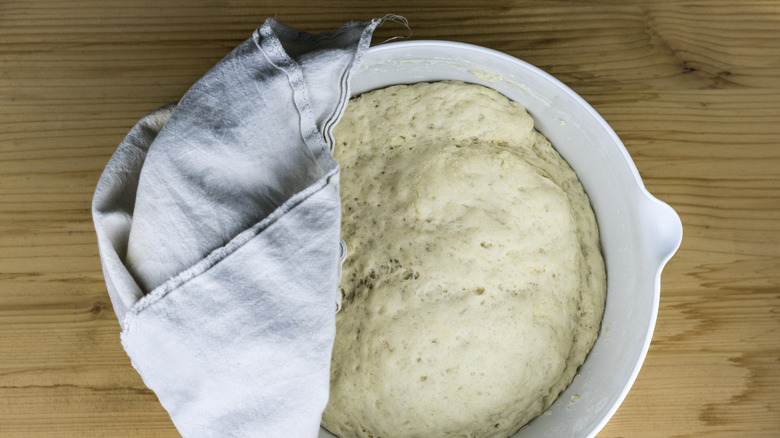
Most dinner roll recipes have their bulk ferment at room temperature. This is the quickest option, and it allows you to have your dinner rolls ready within a few hours of starting them. However, just because it's the quickest option, that doesn't mean it's the best. While it isn't essential, it's a mistake not to at least consider an overnight rise.
If you want your dinner rolls to rise overnight, you need to make some adjustments. When you use the regular amount of yeast and proof your dough at room temperature, it takes around an hour — so if you left it to rise on the counter overnight, it would be seriously overproofed. This means you need to do something to reduce the rise time.
The most common way of reducing the rise time is to put the dough in the fridge overnight. This way, it keeps rising but does so at a significantly slower rate. After 12 to 48 hours, you can take the dough out of the fridge and continue as normal. The main benefit of this is that the longer fermentation time adds flavor.
12. Shaping dinners rolls incorrectly
chaechaebyv/Shutterstock
You might think that the shape of your rolls doesn't matter much; that you can just roll them into rough balls and they'll be grand. But shaping creates surface tension for the gases inside to rise against, and you want to get a good upward rise in the oven rather than let the rolls spread outward and end up flat.
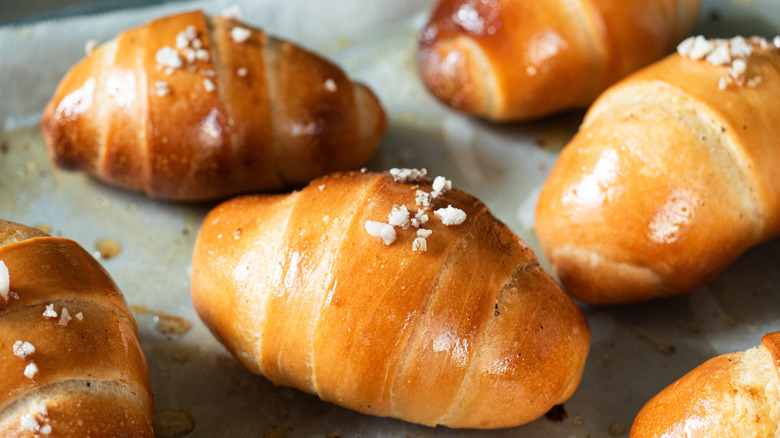
There are many ways to shape dinner rolls, from basic balls to more intricate shapes. If you want regular dinner rolls, divide your dough into equal portions. Then, holding one in your hand, pinch and pull the base one piece at a time to form a tight ball, pinching it all together on the underside to seal it.
There are lots of other shapes to try. For instance, you can make crescent rolls by rolling the dough out flat, cutting it into long triangles, and rolling each one up into a croissant-like shape. Alternatively, you can make simple knots (like garlic knots) by forming each portion of dough into a rope and then knotting that rope. It all comes down to personal preference.
13. Not trying out toppings for your dinner rolls
Krister Hagglof/Shutterstock
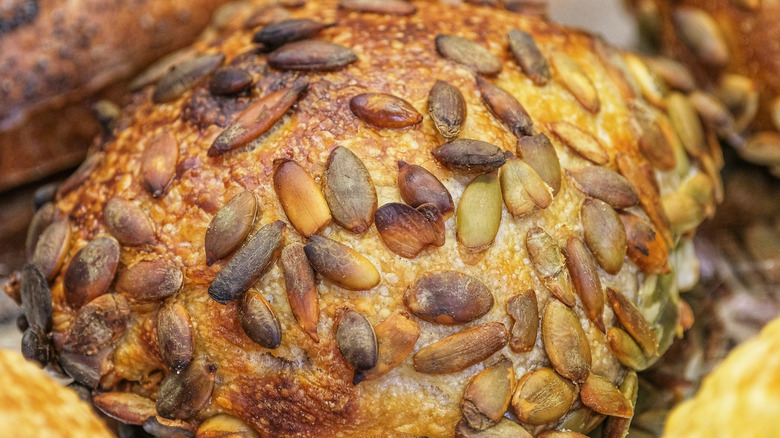
The perfect toppings can elevate a dinner roll, so if you're not trying them out, that's a mistake. A topping can add an extra layer of flavor and texture, and take your rolls from nice and simple to something memorable. First apply an egg wash or a slick of melted butter to the rolls, then sprinkle your chosen ingredients on top. You'll see that the right topping can change the whole flavor of your rolls.
Seeds can make a great topping if you want some crunch and a wholesome, hearty vibe. They're not the most flavor-packed ingredients, but they're a safe addition. Whole spices add a punch as well as a crunchy texture. You can also make compound butter with garlic and herbs to brush on top to add flavor. If you want something sweet, you can add a glaze as a topping. This could be a jam or a compound butter made with maple syrup or honey.
14. Skipping the second rise
David Miller Star/Shutterstock
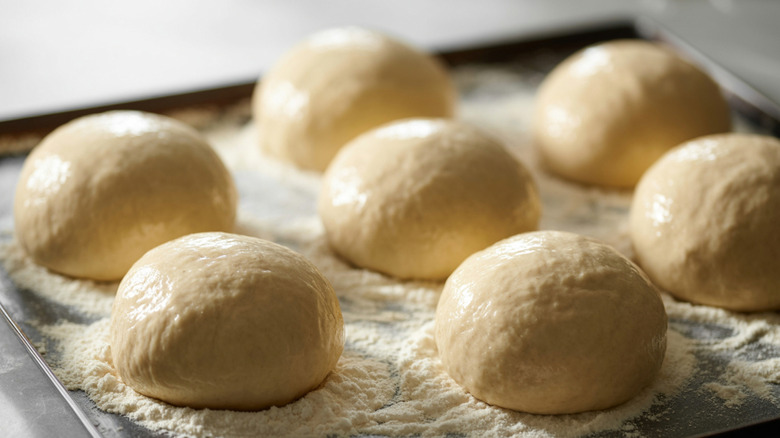
Once you've shaped your dough and added the toppings that you want, you might assume it's time to bake. But this is a common mistake that can leave you with subpar dinner rolls. You need to give them time to rise for a second time after shaping. The second rise lets more bubbles form after the shaping — which has likely knocked some of the air out — to give you fluffier rolls. Without the second rise, they can turn out flat.
Let the shaped rolls rise on baking sheets until they've increased in size significantly. Give them enough space on the baking sheets to expand in size. They might not double, but they will increase by at least 50%. It should take around 30 minutes to an hour. If you're making regular dinner rolls, you want the sides to be touching slightly, but not so much that you end up with one big slab of bread. Having the sides touching keeps the rolls softer; otherwise, they can dry out in the oven. You don't want that to happen after all the work you've done to make perfect dinner rolls.

 English
 Arabic
 French
 Spanish
 Portuguese
 Deutsch
 Turkish
 Dutch
Dutch
 Italiano
 Russian
 Portuguese (Brazil)
 Greek
Greek