


Cities Skylines 2's performance is still struggling, and the devs need your help
Cities Skylines 2's performance is still struggling, and the devs need your help
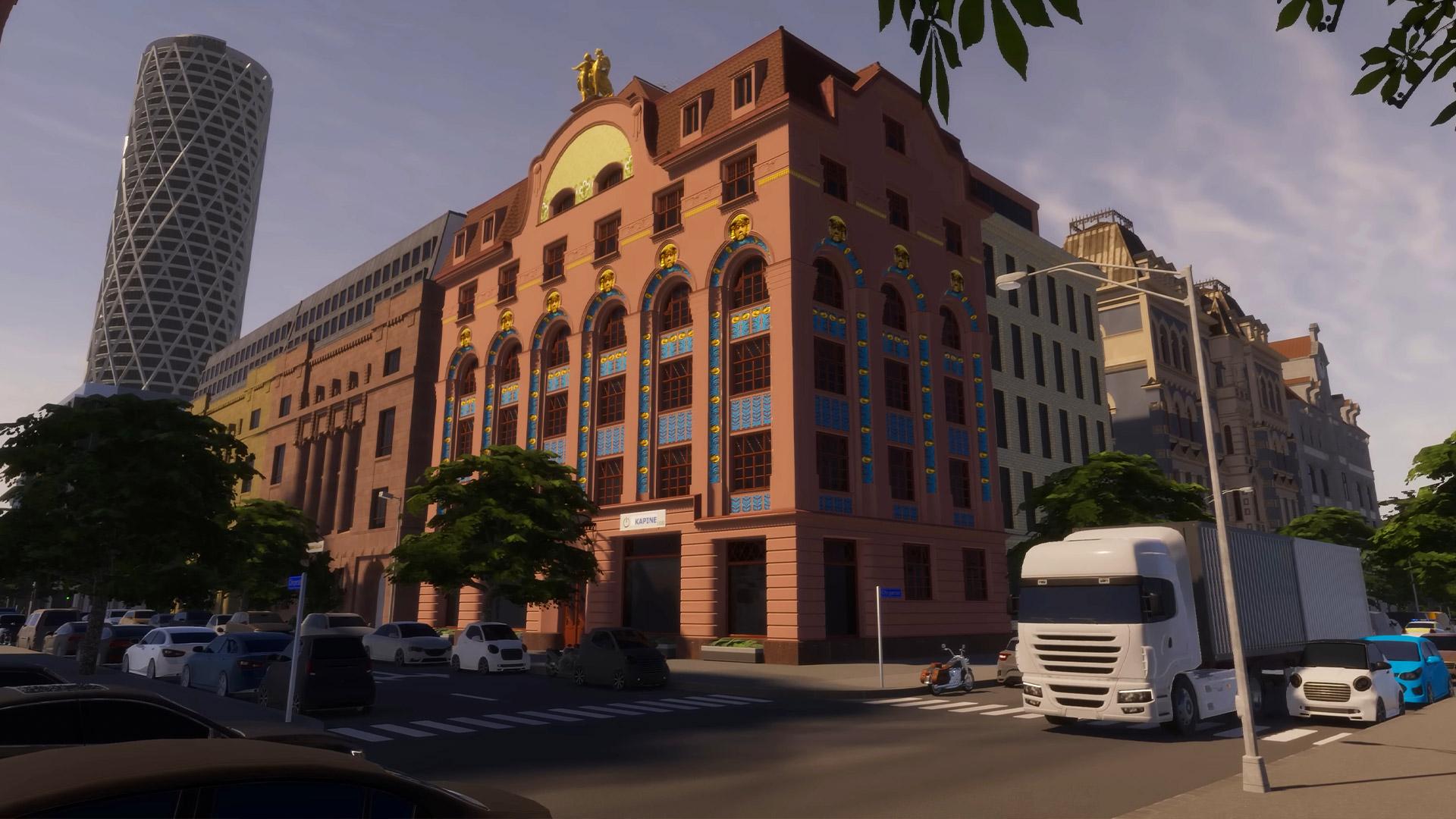
Cities Skylines 2 has had a rough old time of things. A lackluster launch, marred by performance issues aplenty, alongside a dearth of content compared to its long-running predecessor, left it between a rock and a hard place. Despite efforts from simulation game maker Colossal Order to get it into fighting shape, it's been an uphill battle. Having taken over the mantle at the start of the year, the incoming Iceflake Studios has had its work cut out for it. Now, the developer has put out a very techy blog post outlining where it feels the big roadblocks to smooth framerates are, and is releasing a benchmarking tool to help gather data moving forward.
In the fourth edition of the Cities Skylines 2 City Corner blog, Iceflake technical director Tapani Valkonen and lead programmer Timo Kellomäki dig into the details. The first thing the pair notes is that it's a very CPU-intensive game, which is reflected in the Cities Skylines 2 system requirements. As there are plenty of points of view, whether zooming in close to stare at the locals, or admiring your megalopolis from afar, in this dynamic world, "nothing can be precomputed ahead of time or baked in to help solve performance issues." Ah.
While there's not much that can be done there, that's not to say drastic improvements can't be made elsewhere. Iceflake is already working with Unity on specific issues, and there are particular areas the studio's targeting. When it comes to rendering performance, which is where your GPU comes in, the dev duo highlights Level of Detail (LOD) models, water simulation, and terrain pathing as problem children that are currently generating too many polygons.

Simulation performance, which is part of the CPU pipeline, is "a tougher cookie." This element is where most of the later game issues come into play, as your population booms. More citizens equals more pathfinding requests, which generates extra load on your processor. Iceflake is looking at a few different ways to tackle this, including introducing smarter pathing and reducing population density to better reflect your city's scale.
Though there are still some pretty major quandaries for Iceflake to deal with, the blog also highlights changes that have already been made. The overzealous modeling of citizen teeth, for example, was far more detailed than necessary, so the veneers have been given the boot. Likewise, citizen pathing is in a much better place now, with NPCs no longer getting stuck in buildings, generating "excessive" pathfinding requests, and clamping down on bicycles, which also presented the same problem. While you can't quite recreate Amsterdam now, Cities Skylines 2 is all the better for it.
The good news is that Iceflake's work already appears to be paying dividends. While Cities Skylines 2 maintains a rather torrid 'Mixed' all-time Steam review rating, its recent feedback has been 'Mostly Positive.' Though we're now two-and-a-half years on from launch, performance remains a big bugbear for many. To aid Iceflake in its ongoing fight for frames, the studio has built a benchmarking tool that will allow it to "gather data on which areas and on what kind of hardware [it] needs to put more focus on." This is set to be inducted into the game when the next patch arrives which, "if all goes well," will be at the end of this month. It's a grand undertaking to say the least, but there's more hope than ever on the horizon for Cities Skylines 2.

 English
 Arabic
 French
 Spanish
 Portuguese
 Deutsch
 Turkish
 Dutch
Dutch
 Italiano
 Russian
 Romaian
 Greek
Greek