


By Alia Ali
DandsPhotography/Shutterstock
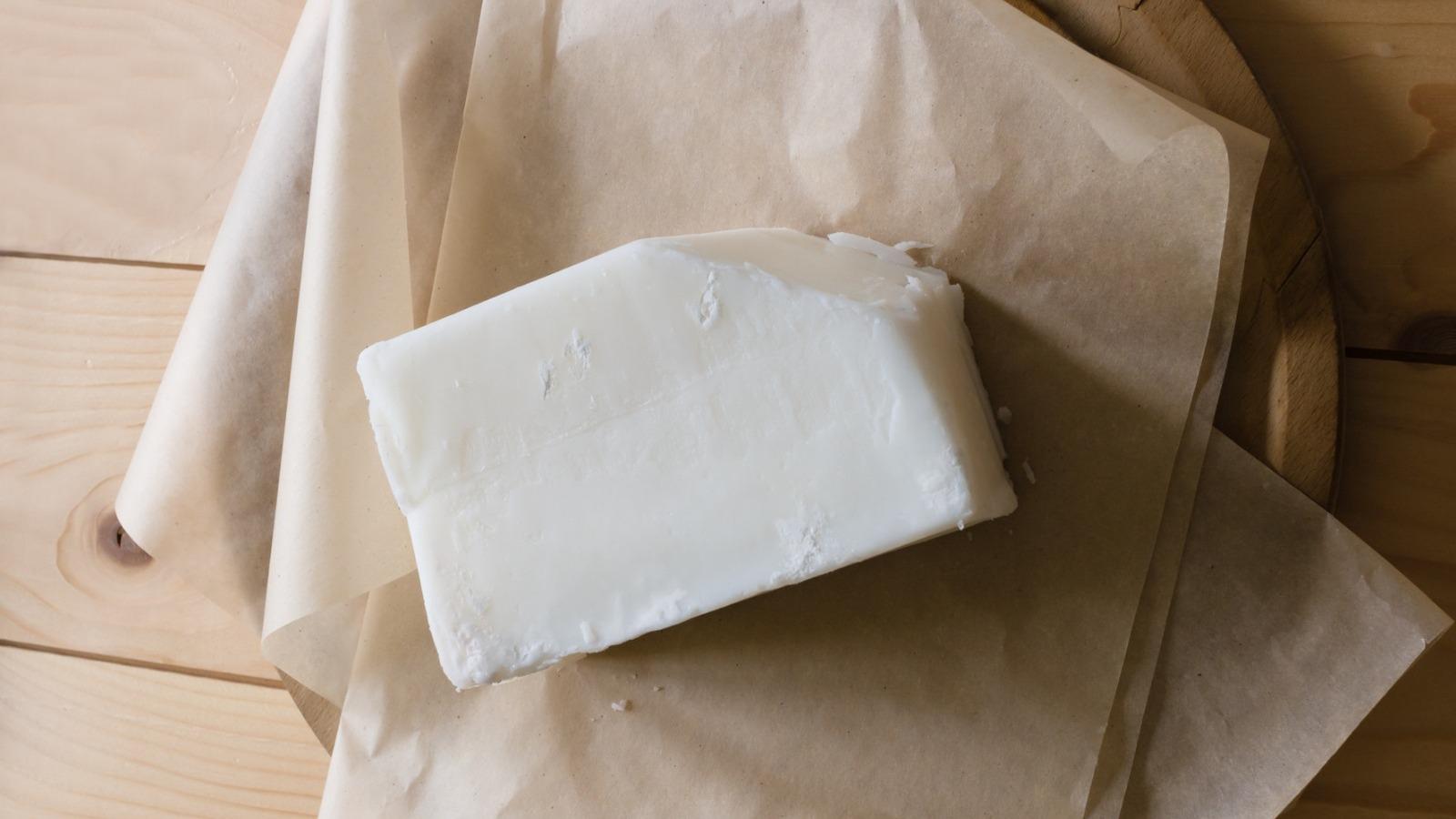
With every new piece of research on the effects of food on our health and wellbeing, public opinions tend to sway, resulting in fad diets. These eating trends are nothing new. A different diet has been recommended almost every decade, from eating a grapefruit at every meal in the 1930s to the growing popularity of paleo and keto diets in the 2010s. The 2020s popularized the carnivore diet, which may be a reason why the consumption of animal-based fats for cooking is on the rise. Among the animal-based cooking fats that come under this category are tallow (rendered beef fat) and lard (rendered pork fat). From a nutritional standpoint, are tallow and lard different from one another?
We cannot compare any types of animal fat without first talking about their high content of saturated fat. The basic characteristic of saturated fats is that they are chemically stable, thus generally solid at room temperature, and able to withstand high-heat cooking. Saturated fats provide the body with energy, but their generally poor reputation for being linked to heart disease is part of why people stopped using these old-school cooking fats in the last century.
That said, both tallow and lard provide crucial nutrients for the body. Before we proceed further, it is important to note that the nutritional benefits discussed here are linked to high-quality tallow and lard sourced from pasture-raised animals, rather than those from factory farms.
Tallow is higher in choline, vitamin E, and saturated fat
Cavan-Images/Shutterstock
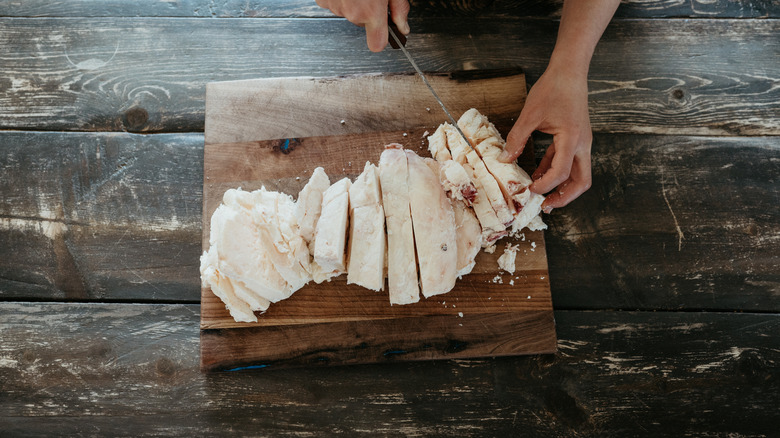
Let's check out nutritional facts about tallow first. According to MyFoodData, a single tablespoon of tallow provides more choline than lard, at 10.2 milligrams compared to lard's 6.4 milligrams. According to the Office of Dietary Supplements, choline is an essential nutrient for the development of cell membranes and is often added to baby formula. While it is one of the nutrients the human body can naturally synthesize, we need more of it than our body can produce, which is where dietary choline comes into play.
Tallow also has a higher percentage of vitamin E per serving. A tablespoon of tallow provides 2% of the recommended daily value, compared to lard's 1%. Vitamin E is necessary for healthy skin and eyes, and a strong immune system. Tallow does have slightly more cholesterol overall, at 14 milligrams versus lard's 12.295 milligrams, though research published by the National Library of Medicine indicates that dietary cholesterol has no direct correlation with blood cholesterol.
Tallow also has higher levels of total saturated fats than lard, especially in the forms of lauric acid, myristic acid, stearic acid, and palmitoleic acid. These saturated fatty acids are also present in nature in other forms. For example, lauric acid makes up nearly half the fat content of coconut oil. The impact of saturated fat on the body, particular concerning cardiovascular health, remains mixed.
Lard is higher in omega-3 and omega-6 fats
Andrey Solovev/Shutterstock
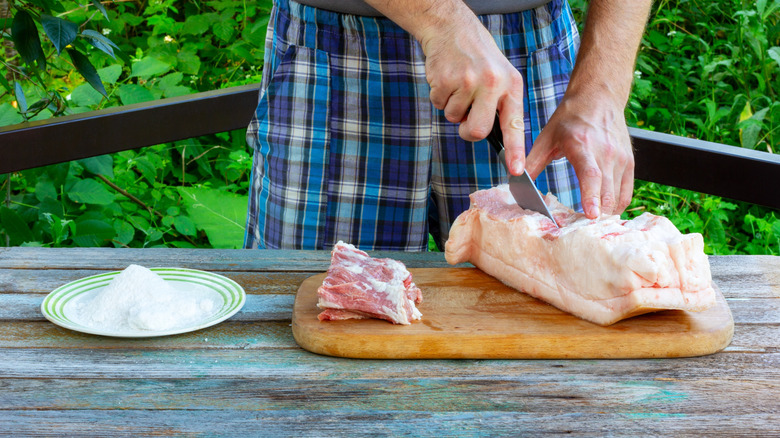
There are some areas in which lard nutritionally outperforms tallow. Lard provides almost twice the amount of omega-3 fatty acids and more than three times the amount of omega-6 fatty acids of tallow. Omega-3 fatty acids are one of the few types of fats crucial for human health that we are unable to synthesize in our own bodies. These fats are essential for building cell membranes and blood-clotting hormones, while contributing to a range of health benefits, from reducing inflammation to helping the heart beat steadily. Omega-6 fats are also good for us, as they help improve sensitivity to insulin.
Interestingly, lard contains a not-insignificant amount of dietary vitamin D — 1 tablespoon makes up 2% of the recommended daily intake. Vitamin D is easily synthesized by the body just by being out in direct sunlight and is needed to aid calcium absorption. During low-sunlight winter months, vitamin D supplements are often recommended.
Lard also provides trace amounts of zinc, which tallow does not. According to Mayo Clinic, zinc is a necessary nutrient for the body's immune system and healthy metabolic function. It also helps support wound healing and potentially shortens the length of colds. So perhaps forget frying food in vegetable oil, and embrace the lard your grandparents used — it will likely taste better!

 Arabic
 French
 Spanish
 Portuguese
 Deutsch
 Turkish
 Dutch
Dutch
 Italiano
 Russian
 Romaian
 Portuguese (Brazil)
 Greek
Greek