


Antonina Vlasova/Shutterstock
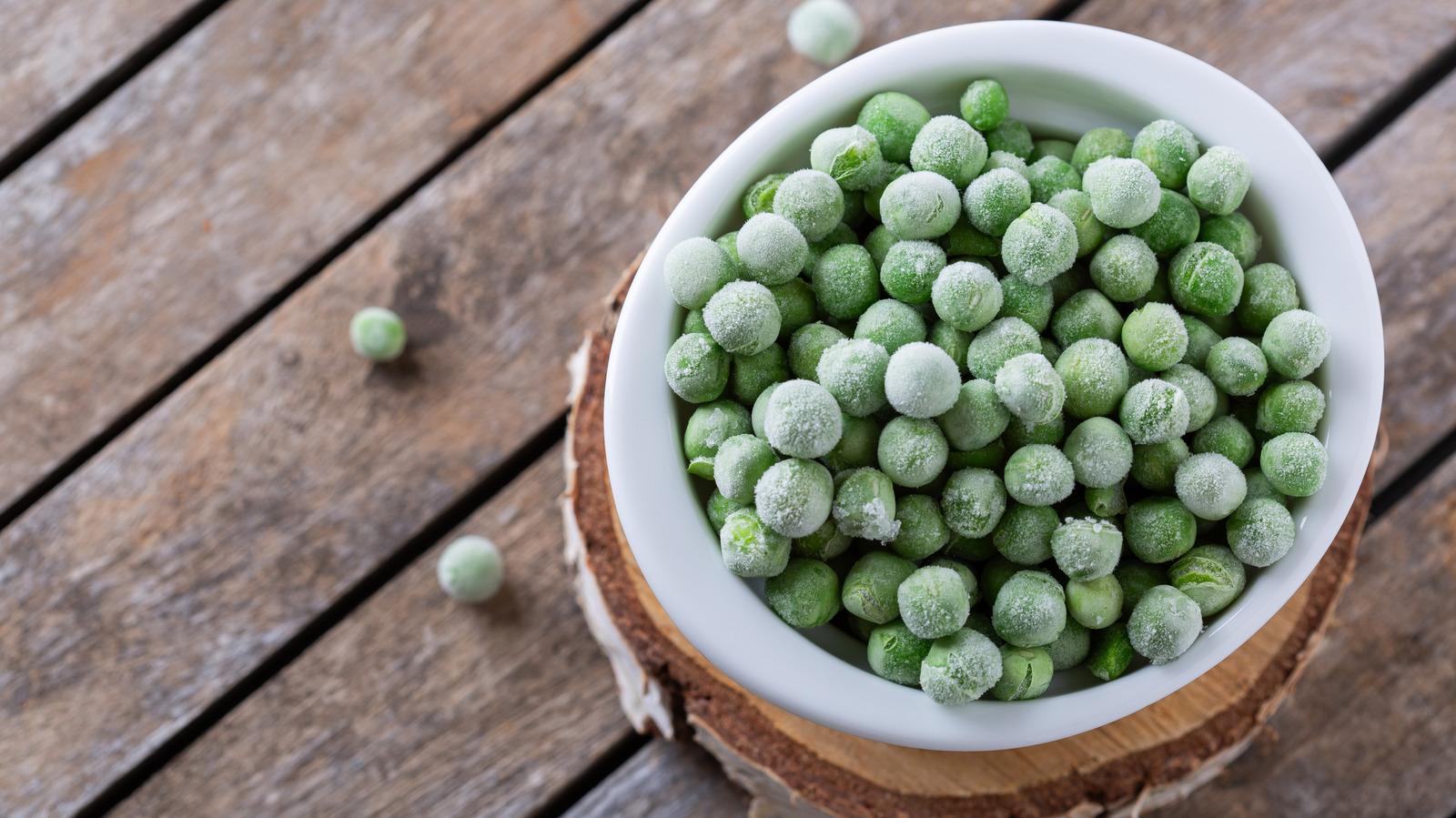
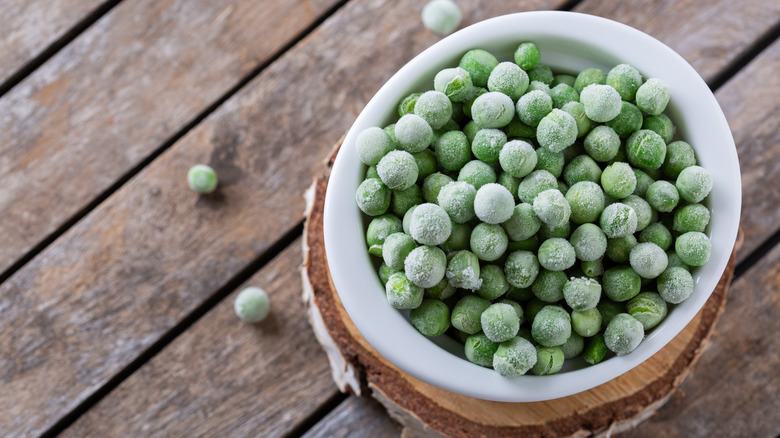
You might have got it into your head that fresh peas are the way to go if you want them to be crisp and flavorful. However, frozen peas might actually be superior to fresh as they're frozen so soon after being picked. That said, it can still take a little something to throw off that freezer taste, so you may be looking for ways to upgrade frozen peas. They're fairly reliable straight from the freezer. They taste solidly fine-to-good, but they're not going to blow anybody away. But, with a few tweaks, it doesn't have to be like that.
We've got a range of tricks up our sleeve to make these freezer staples taste as good as if they were freshly picked and shelled. Simple changes in cooking method can make a significant difference. Plus, there are all kinds of things to cook them with that add piles of extra flavor. What's more, many of the things you need, you may well already have in your kitchen.
If you've always thought that frozen peas were alright but nothing special, just you wait. You might have to eat your words, but they'll go down real smooth with a chaser of delicious peas. These tips and tricks can even convert avid pea haters. We've seen it happen. Here are 11 ways to upgrade frozen peas that will make you never have straight-up boiled peas again.
Sauté frozen peas instead of boiling them
Olgalepeshkina/Getty Images
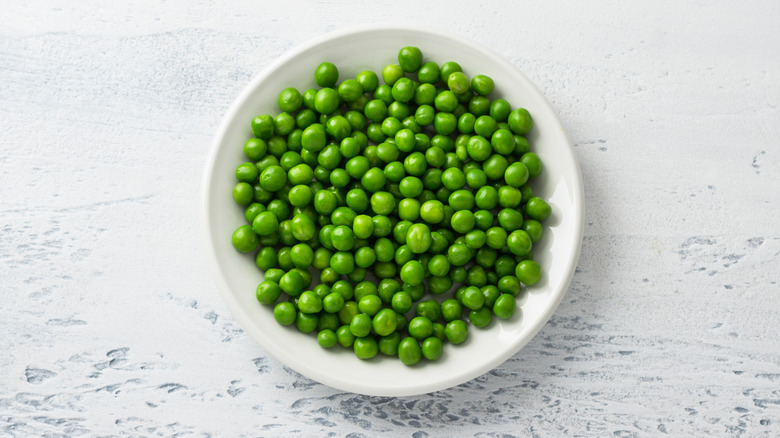
We're sorry to tell you, but you've probably been cooking frozen peas wrong all these years. Most people do, but a simple change in the way you cook them makes them all the more flavorful. You can sauté frozen peas instead of boiling them for a quick and easy upgrade. You'd be surprised at the difference in flavor just from this simple switch.
Do your boiled peas ever come out super bland or a little mushy? Well, it might be down to the way you cook them. Skip the directions on the package and toss them in a skillet instead. Start by heating a knob of butter or a glug of good-quality olive oil. A flavorful fat adds something here, so stay away from sunflower oil, canola oil, or other neutral-flavored options. Once this is heated up, add the peas and cook them for around five minutes, stirring occasionally. You can stop when they're heated through, adding salt near the end of cooking to keep them from getting shriveled.
When you sauté peas in this way, it's easy to add extra flavorful ingredients (but more on those to come). Even if you just add some salt and pepper and cook them in a flavorful fat, they come out nice and tasty. They tend to taste fresher with a more crisp texture when cooked in this way, plus you don't need to add butter after cooking. You could even brown the butter to get more flavor.
Cooking frozen peas with onions
Mindstyle/Getty Images
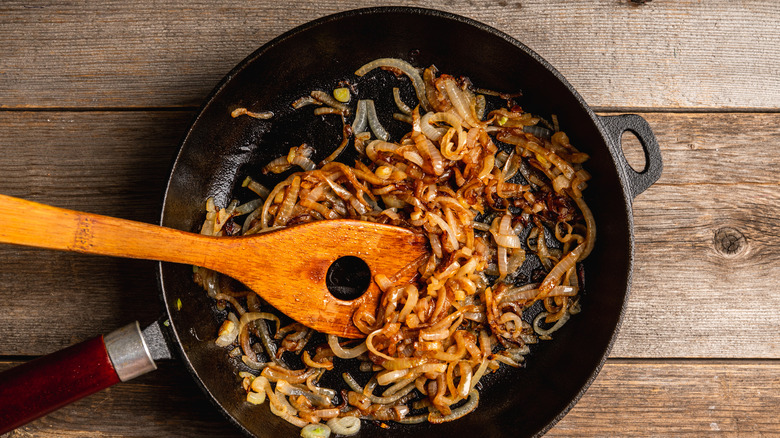
There's an extremely simple way to make some of the best peas you've ever tasted, and that's to sauté them with onions. It might not sound like anything particularly special, but honestly, it's incredible. This is the way my Italian grandma cooks peas, and it had me and my sisters going wild for them, even though we usually refused to eat regular boiled frozen peas the way my parents made them.
To make sure both the peas and onions are cooked to perfection, you need to start with the onions. The secret to perfectly sautéed onions is time — although you can speed this up with baking soda to get them to soften and brown more quickly, if you've got a time crisis of your own on your hands. Giving them at least 10 minutes on a medium-low heat will help them get beautifully soft, with plenty of sweetness. Once you've got these soft, golden onions ready to go, you can add the peas and keep cooking until they're heated through — another five or so minutes.
These peas make a delicious side as they are. You really don't have to do anything else with them, and they're versatile enough to go with plenty of types of dishes. However, you can also mix them into some beaten eggs to make a frittata, or stir them through pasta with some extra virgin olive oil.
Raid your jars of herbs and spices to upgrade frozen peas
Frazao Studio Latino/Getty Images
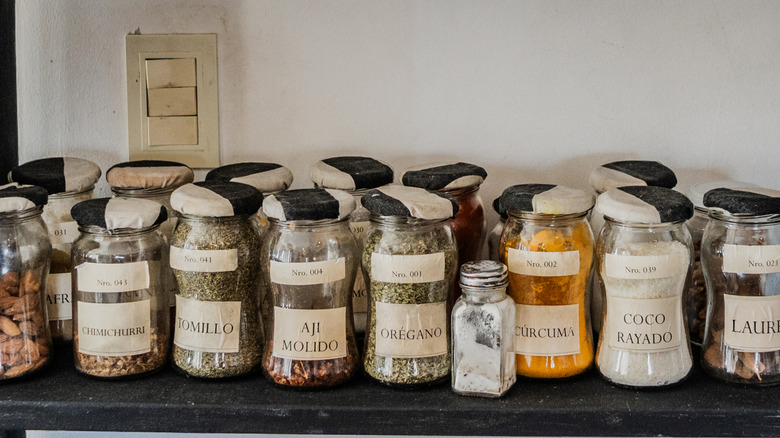
Peas are among the frozen foods that chefs always have on hand, because they're versatile and the quality is good compared to other frozen veggies. Still, they're not always the most exciting thing to put on your plate. If you want to give your frozen peas a quick and easy upgrade with ingredients you already have in the house, it's time to raid your jars of herbs and spices.
The great thing about peas is that they work with a range of flavor profiles. They're used in a fairly wide range of cuisines, perhaps because they pair nicely with so many herbs and spices. Pea and mint is a known combo, with the sweetness of the mint complementing that of the peas, so if you have dried mint, it's a great place to start. But you don't have to go for the obvious choices. You could use an Italian herb mix or herbes de Provence for a European twist.
Or, you might want to reach for the spices instead. Peas go well with Indian spice blends, like garam masala or Tex-Mex inspired blends, like chili powder or fajita spices. Or you can make up your own combination of spices. Don't use too much at once, but other than that, it's hard to go completely off piste, whatever you choose.
Use fresh herbs
Tg23/Getty Images
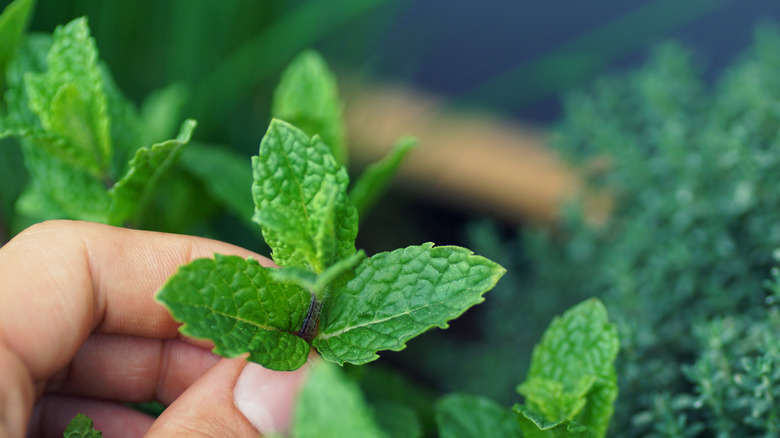
Using the dried herbs you have in your pantry is an easy upgrade, but if you can get your hands on fresh herbs, that's even better. Whether you have herbs growing in your garden or on your windowsill, you have some languishing in your fridge, or you've simply got time to go to the store before dinner, those fresh herbs will add a lot to the party. They've got a brightness and vibrancy that you just don't get from the stuff that comes in jars.
As with dried herbs, mint is one of the go-tos to pair with peas. It's a classic combination that highlights the sweetness of the peas and brings a fresh zing to the finished dish. Adding fresh butter and plenty of salt and pepper helps to balance things out. You might also add garlic for more savory complexity.
But, mint certainly isn't the only herb that goes with peas. Fresh dill is another excellent choice. The grassy, citrussy notes of dill nicely balance with the flavor of peas. And, you don't have to stop there. We'd give any fresh herb a go with peas. The soft ones can be finely chopped and wilted with the peas, while woodier herbs might be better added as stems during the cooking process and removed before serving.
Make use of other aromatics to level up your peas
Rawi Bunyarak/Getty Images
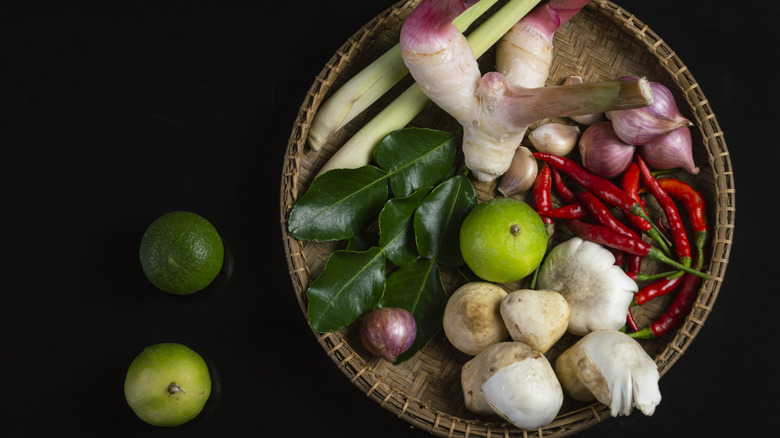
Aromatics in cooking are largely plant foods added with the intention of creative flavor in a dish. We've talked about some of the obvious ones: onions, herbs, and spices. But there are more aromatics beyond these that can level up your peas with minimal effort. You can use these alone or in combination to make a tastier dish.
Garlic is an obvious one. It's something that most people have in the house, and it only takes a couple of minutes to prep. If you're sautéing your peas, you can add a clove of two of minced or sliced garlic to the butter or oil as it heats. Once it starts to smell garlicky, add the peas and continue as usual. Lemongrass is less commonly associated with peas, but can create a deliciously flavorful side dish that might make it into regular rotation.
You can also combine ingredients to make an aromatic base, with easy adjustments made according to the style of cuisine you're looking to make. For instance, a mirepoix is used in French cooking, which is a combination of onions, leeks (or sometimes more onions instead), celery, and carrots, while the Cajun or Creole "holy trinity" consists of green bell peppers, celery, and onion. Or, if you're looking to cook a Chinese-inspired dish, you might start with garlic, ginger, and scallions.
Cook them in a cream sauce
Secha6271/Getty Images
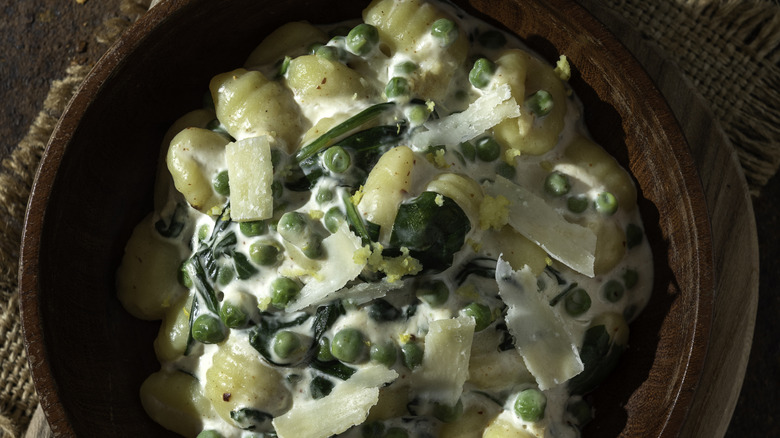
Want to make something more tasty? Just add cream. It isn't the lightest or brightest of upgrades, but if you want something rich and filling, cooking frozen peas in a cream sauce will take them to the next level. The great thing is that, despite tasting fancy, it's a quick and simple upgrade. You can eat them alone or with something like pasta or gnocchi.
There are many ways to cook this dish, but the simplest involves thawing your peas or sautéing them until they're just defrosted, then adding heavy cream and salt to taste before heating everything through until piping hot. Some people, however, choose to lighten this by using a combination of heavy cream and water and thickening it with flour or cornstarch. You could also make a béchamel sauce with butter, flour, and milk, if you don't have cream in the house and don't want to go to the store.
However, you don't have to go for something so simple. You could also incorporate onions, garlic, or both. Fresh herbs like dill or parsley would also go brilliantly in a creamy sauce. A little mustard powder or Dijon mustard would add some additional depth. There are plenty of ways to customize it to your liking.
Turn frozen peas into soup
Anastasiya Larionova/Getty Images
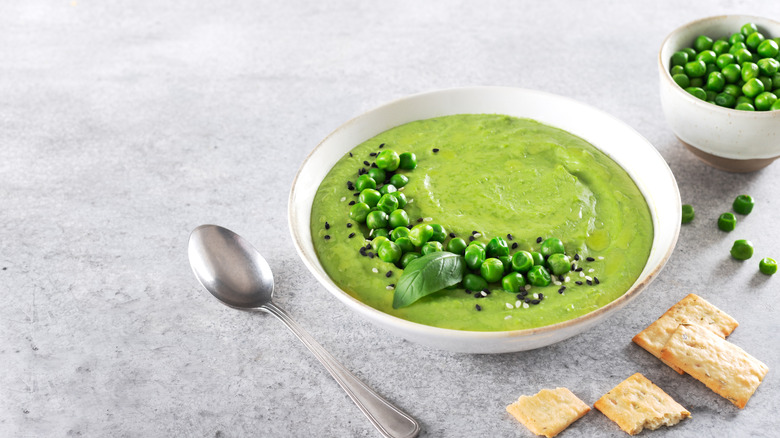
You might think you need fresh peas or a different kind of pea — like split peas or marrowfat peas — to make a good pea soup. However, just a bag of the regular frozen kind will do the tricky just fine. Once you've transformed them into soup, you'll never believe they came straight from the freezer.
Pea and mint soup is a classic, and super easy to throw together. You start with your aromatics — either just onion or onion and garlic. Once these are cooked down until softened, you add your frozen peas and some vegetable stock. Simmer everything for around 10 minutes, add a handful of fresh mint, and blend it up until smooth. It's really that simple. You can add extra ingredients or garnishes if you choose, but it doesn't have to be any more complicated than that.
We have a 15 minute pea and broccoli soup recipe, which is similar, but adds some fresh broccoli, along with canned white beans that make it nicely creamy without adding dairy. You could even use frozen broccoli to cut down on your prep time.
Add lemon juice or vinegar to your frozen peas
Andrii Iemelianenko/Shutterstock
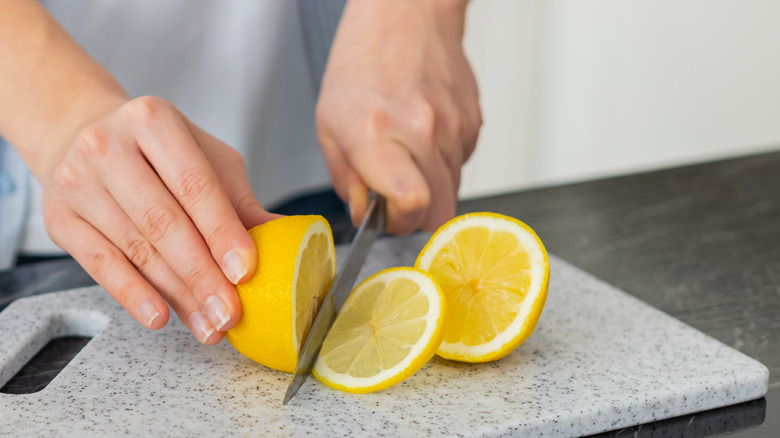
Making food flavorful is all about getting the balance of flavors right. And sometimes what you need to round things out is a little acidity. Adding lemon juice or vinegar to your frozen peas could be just what you need to brighten them up and make them even more tasty.
There are five main flavors to balance in cooking: salt, fat, acid, sweet, and umami (or savory). The peas themselves are sweet, so there's not much you need to do there. Salt can come from, well, salt, but you can also add it through other salty ingredients like cheese, broth, soy sauce, or miso paste. Fat can be added in terms of butter or a quality olive oil, while onions or garlic can add umami notes.
So, then you get down to acidity. Lemon juice and vinegar, such as red wine vinegar or apple cider vinegar, go nicely with peas to bring that balance. Because peas are naturally sweet, the contrast that comes from these kinds of acidic ingredients can really make them pop. You want to add enough to create balance, but not so much to overwhelm the dish, so start small and increase gradually.
Upgrade frozen peas with cheese
Olga Yastremska/Getty Images
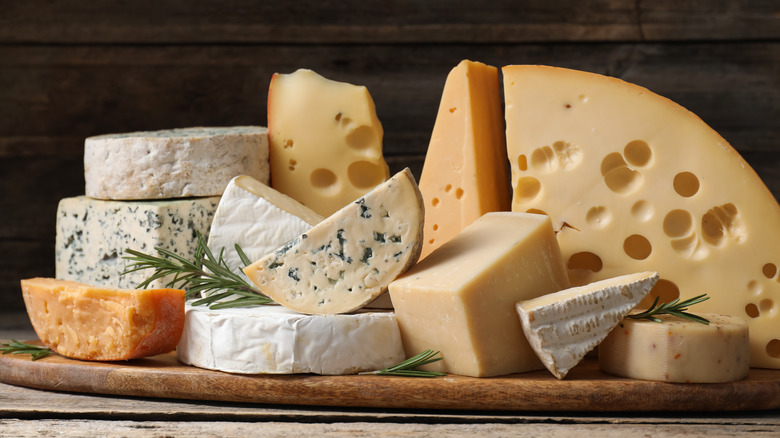
You might not instantly think of pairing frozen peas with cheese, but it's an option worth exploring. If it sounds a bit off to you, think of this: Have you ever put peas in your mac and cheese? Making cheesy pasta with peas is common, but that doesn't have to be where you stop with it.
The beauty of cheese and peas, beyond the rhyme, is that cheese brings plenty of savory saltiness to counter the sweet freshness of the peas. This contrast makes the dish interesting, elevating it beyond a simple pile of peas on your plate. Plus, cheese is a real crowd-pleaser. If you're feeding kids or cooking for someone who isn't usually a huge fan of peas, adding cheese into the mix can change things.
Parmesan is a solid, robust option to add to peas. It's flavorful but not too intense and a little goes a long way. Or, you could stick to a basic favorite like cheddar or mozzarella. You might even add some underrated cheeses or lesser known varieties. For instance, if you love gouda, you might consider adding beemster, which is a richer, creamier variation. Or, maybe it's a great chance to try Cambozola, which is partway between Gorgonzola and Camembert.
Think about how you finish them
sebra/Shutterstock
You can cook your frozen peas extremely simply, but if you know how to finish them well, this will still upgrade them nicely. Those finishing touches can take them from a fairly bland or unexciting pile of veggies on your plate to something memorable that could even outshine your main.
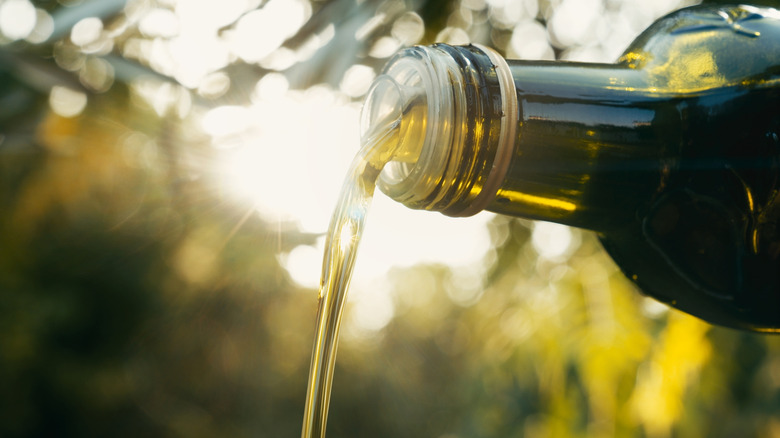
Even if you steam or boil your peas rather than cooking them in a skillet, there's still a chance to add fat. When they're still hot, stir through a knob of butter or drizzle over some quality extra virgin olive oil to bring more body and flavor. Brown your butter to add nutty, toasty notes. You could add fresh herbs at this point, too. Finely mince the herbs and stir them through hot peas. This will let them wilt and release more of their flavor.
Lemon zest is a nice addition to cooked peas. It brings brightness and a lemony flavor without adding more acidity, which is perfect when you'd already added something acidic, but your peas could still benefit from some lift. Adding something crunchy for texture and flavor is also a great upgrade. Make a pangrattato by frying breadcrumbs until golden or use store-bought crispy onions. Toasted nuts and seeds can also add some flavorful crunch. Finally, consider adding a touch of something spicy, like hot sauce or chili crisp.
Make sure to season them properly
4kodiak/Getty Images
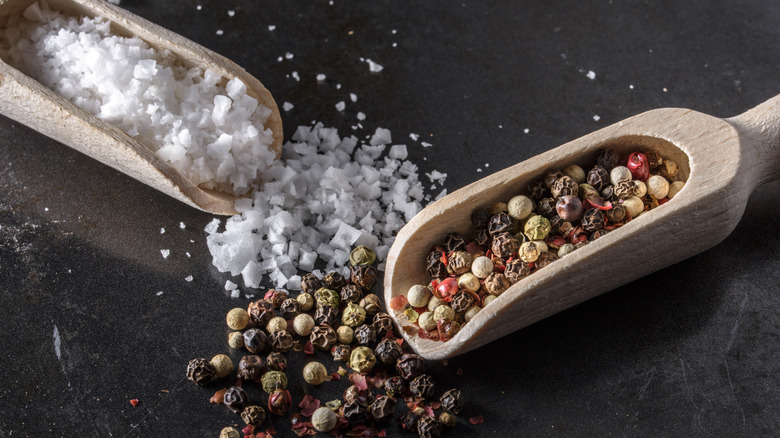
It might seem like something way too basic, but being sure to season your frozen peas properly can make a significant difference. There are many mistakes people make when cooking with salt, but one of the simple ones is adding too much or too little. Learning how to add salt and pepper in the right quantities could upgrade your frozen peas more than you might realize.
When you've got great produce, you don't always need anything more than salt and pepper to season them. That's not to say that you shouldn't add extra flavors from herbs, spices, and other aromatics, but when you want to keep things simple, you don't have to do anything more than reach for the salt and pepper shakers.
The trouble for many people is learning how to add salt and pepper to taste. It's a vague instruction that can throw off amateur cooks. People worry about adding too much and overwhelming the dish or making it inedibly salty and often end up on the other side of things, under seasoning and causing the food to be bland. A good idea is to taste before you season, particularly if you've added any salty ingredients, like cheese or soy sauce. Then, start with a small amount of salt — the quantity will depend on how many peas you're seasoning — and taste again, adjusting until you've got it right.

 English
 Arabic
 French
 Spanish
 Portuguese
 Deutsch
 Turkish
 Dutch
Dutch
 Italiano
 Romaian
 Portuguese (Brazil)
 Greek
Greek