


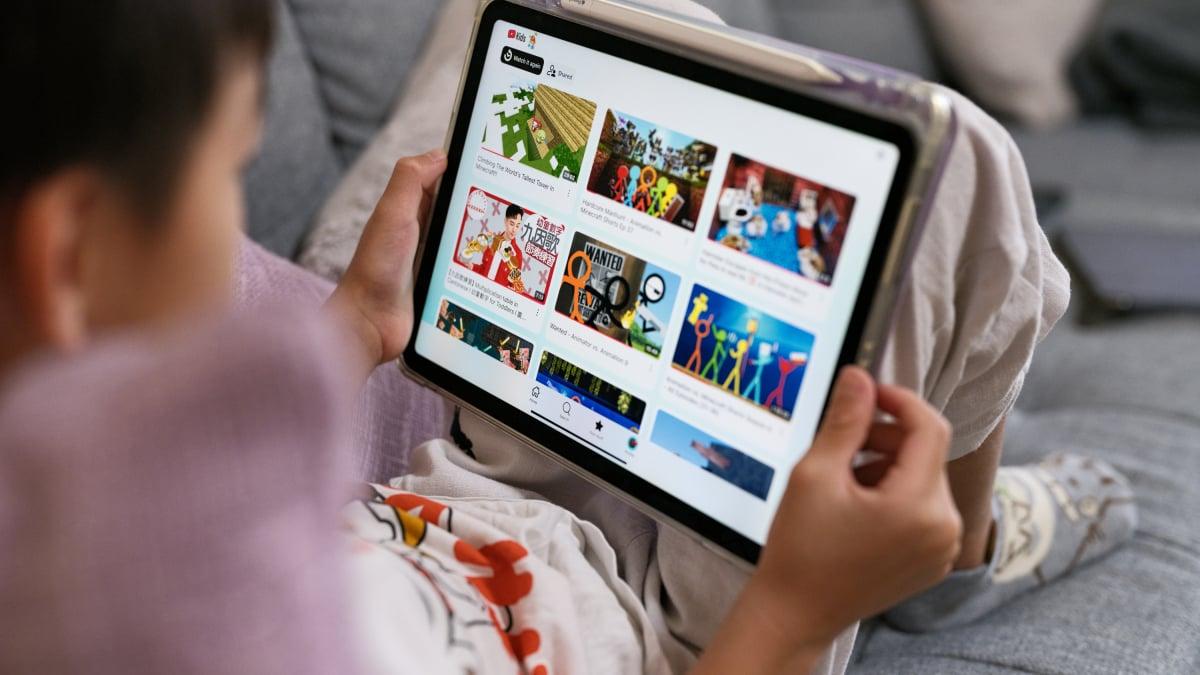
Kids are consuming a lot of AI slop.
And child safety advocates are getting worried. In a letter sent to Google CEO Sundar Pichai and YouTube CEO Neil Mohan, a coalition of national organizations and child development experts is demanding a change to YouTube policies to cut down on AI slop, including an outright ban on "Made for Kids" content generated by AI.
"Given the absence of evidence that AI slop is safe for children and the potential for these videos to mesmerize and harm kids, Google must take swift action to protect children on its platforms," the letter reads. Two weeks ago, YouTube announced a partnership with generative AI studio Animaj, which specializes in AI children's content and boasts billions of views across several YouTube channels aimed at infants and babies.
The letter, led by child safety nonprofit Fairplay, is signed by organizations like the American Federation of Teachers, the National Black Child Development Association, and Mothers Against Media Addiction (MAMA), as well as experts like Jonathan Haidt, author of the highly cited book The Anxious Generation. The group cites growing concern that exposure to AI content can distort children's perception of reality, cause cognitive overload, and displace real world activities necessary for development.
"First YouTube introduced Shorts with Made For Kids content without wondering what impact it would have on young viewers, and then — no surprise — AI slop started competing for kids’ attention on those very feeds. It’s time for platforms to start respecting the attention and minds of young children, not just treat them as a resource to be extracted," said Jenny Radesky, a developmental behavioral pediatrician and media researcher who also signed onto the letter.
The group also announced a public petition demanding YouTube implement several new safety policies addressing the proliferation of AI slop directed toward children, including:
Mashable Light Speed
Clearly labeling all AI-generated content on YouTube
Barring AI-generated content from YouTube Kids
Prohibiting child-focused videos (“Made for Kids”) on YouTube that are AI-generated
Prohibiting algorithmic recommendations of AI-generated content to users under age 18
Implementing a toggle switch in parental controls so that parents can turn off AI-generated content even if children search for it
Stopping all investment in the creation of AI-generated videos for children
The letter comes one week after a precedent-defining verdict in a recent case against Meta and YouTube parent company Google, which sided in favor of a 19-year-old user who claimed the companies knew their platforms could be "dangerously addictive" and ignored warnings about user mental health. The Los Angeles jury found that both Meta and YouTube were negligent in addressing internal safety warnings and went forward with platform features that exacerbated expert concerns.
"In some cases, seemingly benign animations can turn out to be sexual or violent in nature," said Sebastian Mahal, co-chair of youth-led lobby coalition Design It For Us. "Young people don’t want to be targeted with this type of experience by YouTube’s algorithm. After a California jury found YouTube liable for failing to protect young people on its platform, one would think YouTube would finally take its responsibility to its young users seriously."
In addition to claims that Instagram's algorithms exacerbated the youth mental health crisis, particularly among teen girls, child safety advocates have long warned that YouTube is a dangerous site for young children.
Rachel Franz, director of Fairplay’s Young Children Thrive Offline program, told Mashable in a March interview: "If 'managing AI slop' was really YouTube's top priority this year, they would have already taken down the millions of AI-generated 'Made for Kids' videos that are designed to entrance young children, leading to more screen time and displacing the activities they need to thrive offline."
YouTube is the most popular video platform for young child viewers, especially among low-income households. Despite efforts to address AI-generated content, YouTube has yet to fully rein in the problem, and AI-generated content aimed at children has become a lucrative business.
A New York Times report found thousands of low-quality AI videos in YouTube's algorithm, including ones that violated child safety policies. Currently, animated videos generated by AI do not require AI labels, and AI labels do not appear consistently on YouTube Kids. YouTube only requires labeling for synthetic media made to mimic "realistic" settings or people.
In response to the new letter, Franz added, "YouTube’s algorithm makes it impossible for kids to avoid AI slop. YouTube must stop shoving AI slop onto children now, before it further damages an entire generation of kids.”

 English
 Arabic
 French
 Spanish
 Portuguese
 Deutsch
 Turkish
 Dutch
Dutch
 Italiano
 Russian
 Romaian
 Greek
Greek