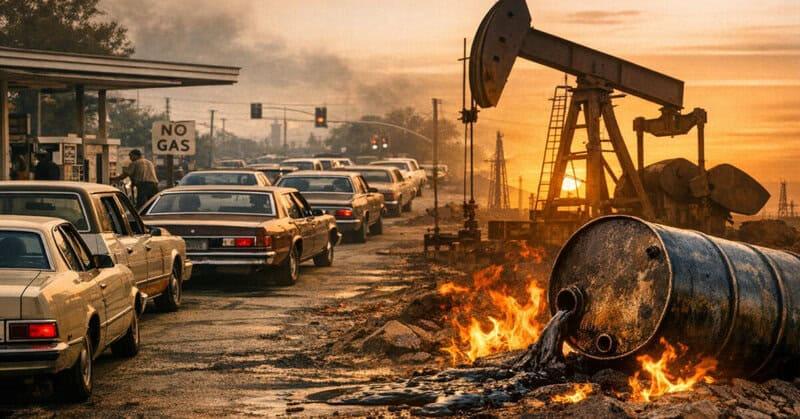
15 Disturbing Truths About The 1970s Energy Crisis

0
40

15 Disturbing Truths About The 1970s Energy Crisis

4. The Natural Gas Shortage Threatened Winter Survival

15 Disturbing Truths About The 1970s Energy Crisis
Severe natural gas shortage in the 1970s left homes and schools without heat, disrupting lives.

During the 1970s energy crisis, a severe natural gas shortage left many homes and schools without heat, particularly in the Midwest and Northeast regions. This scarcity forced some institutions to close during critical winter months, endangering residents and disrupting daily life. The crisis underscored the nation’s vulnerability due to overreliance on fossil fuels and inadequate energy infrastructure. (nytimes.com)

5. Energy Crisis Paved the Way for Alternative Energy

15 Disturbing Truths About The 1970s Energy Crisis
The 1970s energy crisis ignited research into solar, wind, and nuclear power alternatives.

The urgency of the 1970s energy crisis spurred significant research into alternative energy sources. The Department of Energy (DOE) initiated programs focusing on solar, wind, and nuclear power to reduce dependence on fossil fuels. For instance, the DOE-NASA Mod-Series Wind Turbine Program aimed to develop utility-scale wind turbines capable of providing commercial electric power. Despite these efforts, progress was slow, and the transition to alternative energy faced resistance due to technological challenges and economic considerations. (energy.gov)

6. U.S. Auto Industry Faced Collapse

15 Disturbing Truths About The 1970s Energy Crisis
The 1970s energy crisis reshaped American automotive preferences, favoring compact Japanese imports.

During the 1970s energy crisis, soaring fuel prices led American consumers to favor compact, fuel-efficient Japanese imports over traditional, fuel-hungry American cars. This shift resulted in significant challenges for Detroit automakers, including layoffs and plant closures, as they struggled to adapt to changing consumer preferences and the economic impact of the crisis. (npr.org)

7. National Speed Limit Lowered to 55 MPH

15 Disturbing Truths About The 1970s Energy Crisis
National maximum speed limit of 55 mph enacted in 1973 to conserve fuel during oil crisis.

In response to the 1973 oil crisis, the U.S. federal government imposed a national maximum speed limit of 55 mph to conserve gasoline. This measure aimed to reduce fuel consumption, though its effectiveness was limited. The speed limit remained in effect until 1995, influencing American driving habits and road culture for decades. (transportation.gov)

8. Domestic Oil Production Peaked Then Declined

15 Disturbing Truths About The 1970s Energy Crisis
U.S. oil production peaked in 1970, prompting urgent calls for energy security and diversification.

By 1970, U.S. domestic oil production had peaked, leading to increased dependence on foreign oil imports. This shift heightened concerns among policymakers about energy security and the nation’s vulnerability to global oil market fluctuations. The realization underscored the need for strategic energy planning and diversification of energy sources. (eia.gov)

9. Political Scandals and Conspiracies Proliferated

15 Disturbing Truths About The 1970s Energy Crisis
Public distrust surged during the 1970s energy crisis amid allegations of hoarding and price manipulation.

The 1970s energy crisis fueled public distrust, with rumors of oil companies hoarding supplies or governments exaggerating shortages for political gain. Investigations into these claims revealed mixed findings, with some reports exonerating the oil industry of deliberate hoarding, while others identified overcharges and pricing issues. (washingtonpost.com)

10. Daily Life Was Drastically Altered

15 Disturbing Truths About The 1970s Energy Crisis
Americans embraced conservation during the 1970s energy crisis, shaping lasting cultural attitudes toward sustainability…

During the 1970s energy crisis, Americans adopted various conservation measures to cope with fuel shortages. These included:

Lowering Thermostats: Residents reduced indoor heating by setting thermostats lower and wearing sweaters indoors to conserve energy.
Canceling Holiday Lighting Displays: Many communities and individuals canceled or scaled back holiday lighting to save electricity.
Increased Use of Public Transportation and Bicycles: To reduce gasoline consumption, people carpooled, utilized mass transit, or rode bicycles in record numbers. This shift led to a surge in bicycle sales and the development of new bike lanes in urban areas.

These lifestyle changes had a lasting impact on American culture, promoting energy conservation and environmental awareness. (smithsonianmag.com)

11. Energy Crisis Sparked Foreign Policy Shifts

15 Disturbing Truths About The 1970s Energy Crisis
The 1973 energy crisis reshaped U.S. foreign policy, intensifying involvement in the Middle East.

The 1973 energy crisis significantly altered U.S. foreign policy, particularly in the Middle East. In response to the Arab oil embargo, the United States increased its involvement in regional politics to secure oil supplies. This included:

Strengthening Alliances: The U.S. deepened its strategic partnership with Saudi Arabia, recognizing its pivotal role in OPEC and global oil markets. This relationship was solidified through military and economic support, ensuring a stable oil supply. (cfr.org)
Military Engagements: The U.S. considered military interventions to protect oil interests. For instance, discussions were held about deploying forces to secure oil fields in Saudi Arabia and other Gulf states, highlighting the strategic importance of energy resources.
Diplomatic Initiatives: The U.S. engaged in shuttle diplomacy to mediate conflicts in the region, aiming to stabilize oil-producing countries and maintain uninterrupted oil exports. This approach sought to balance energy security with geopolitical considerations.

These shifts underscored the intertwining of energy needs with foreign policy, leading to a more interventionist U.S. stance in Middle Eastern affairs to safeguard its economic and strategic interests.


12. Blackouts and Brownouts Plagued Major Cities

15 Disturbing Truths About The 1970s Energy Crisis
A city plunged into darkness during the 1977 blackout, revealing urban infrastructure vulnerabilities.

During the 1970s energy crisis, major cities like New York experienced significant power outages. On July 13, 1977, a severe thunderstorm caused lightning to strike critical transmission lines, leading to a city-wide blackout that lasted over 24 hours. This outage left approximately 8 million people in the dark and resulted in widespread looting, arson, and over 1,000 fires. (pbs.org) The crisis underscored the vulnerability of urban infrastructure to energy shortages and highlighted the need for robust energy management systems. (pbs.org)

13. Profits and Price Gouging Amid Crisis

15 Disturbing Truths About The 1970s Energy Crisis
1970s energy crisis: corporate profit exploitation sparked public outrage and calls for regulation.

During the 1970s energy crisis, some oil companies and gas stations capitalized on the situation by raising prices or withholding supply, leading to significant windfall profits. This behavior intensified public anger and prompted congressional investigations into potential price gouging and market manipulation. These actions underscored the need for regulatory oversight to prevent exploitation during national emergencies. (theatlantic.com)

14. Environmental Regulations Faced Blowback

15 Disturbing Truths About The 1970s Energy Crisis
Critics debated the impact of environmental regulations on fuel shortages during the 1970s energy crisis.

During the 1970s energy crisis, some critics blamed environmental regulations, such as the Clean Air Act, for exacerbating fuel shortages. They argued that stringent emission standards led to reduced vehicle performance and increased fuel consumption. However, these regulations were essential in addressing serious pollution problems and improving public health. (britannica.com)

15. Legacy: The U.S. Never Fully Recovered Its Energy Independence

15 Disturbing Truths About The 1970s Energy Crisis
U.S. energy independence remains elusive, highlighting the need for sustainable energy strategies.

Despite efforts to reduce reliance on foreign oil, the United States has not fully achieved energy independence. While domestic production has increased, the nation remains vulnerable to global energy fluctuations, influencing both energy and geopolitical policies. This ongoing dependence underscores the need for sustainable energy strategies to mitigate future crises. (brookings.edu)

Conclusion

15 Disturbing Truths About The 1970s Energy Crisis
The 1970s energy crisis revealed vulnerabilities, urging diversified sources and robust policies for resilience.

The 1970s energy crisis exposed deep vulnerabilities in modern economies and societies, highlighting the risks of overreliance on foreign oil and inadequate energy policies. (history.com) Despite subsequent efforts, many issues remain unresolved, underscoring the need for diversified energy sources and robust policies. Understanding these challenges is essential for developing resilient energy strategies and mitigating future crises. (worldhistoryjournal.com)

Search
Categories
Read More
Technology
Samsung Galaxy S26 vs S25: Comparing price, specs and features
Samsung Galaxy S26 vs S25: Comparing price, specs and features...
By Test Blogger7 2026-02-25 19:00:29 0 557
Home & Garden
I Tried Ina Garten’s 5-Star Pea Soup Recipe, and It’s Now My Favorite Way to Use Frozen Vegetables
I Tried Ina Garten’s 5-Star Pea Soup Recipe, and It’s Now My Favorite Way to Use Frozen...
By Test Blogger9 2026-03-11 20:00:11 0 364
Technology
The iPad Air is finally getting the M4 chip: How and when to preorder
A new iPad Air is coming: How and when to preorder Table...
By Test Blogger7 2026-03-02 18:00:17 0 452
Music
Whatever Happened to Rock + Metal's Class of 1986?
Whatever Happened to Rock + Metal's Class of 1986?Frank Micelotta / Ethan Miller / Frazer...
By Test Blogger4 2026-01-28 06:00:14 0 1K
Games
The Epic Games Store's new, free puzzler is all about boxes, and I can't believe I'm more excited about it than Marathon
The Epic Games Store's new, free puzzler is all about boxes, and I can't believe I'm more excited...
By Test Blogger6 2026-02-26 17:00:25 0 561