


oneinchpunch/Shutterstock
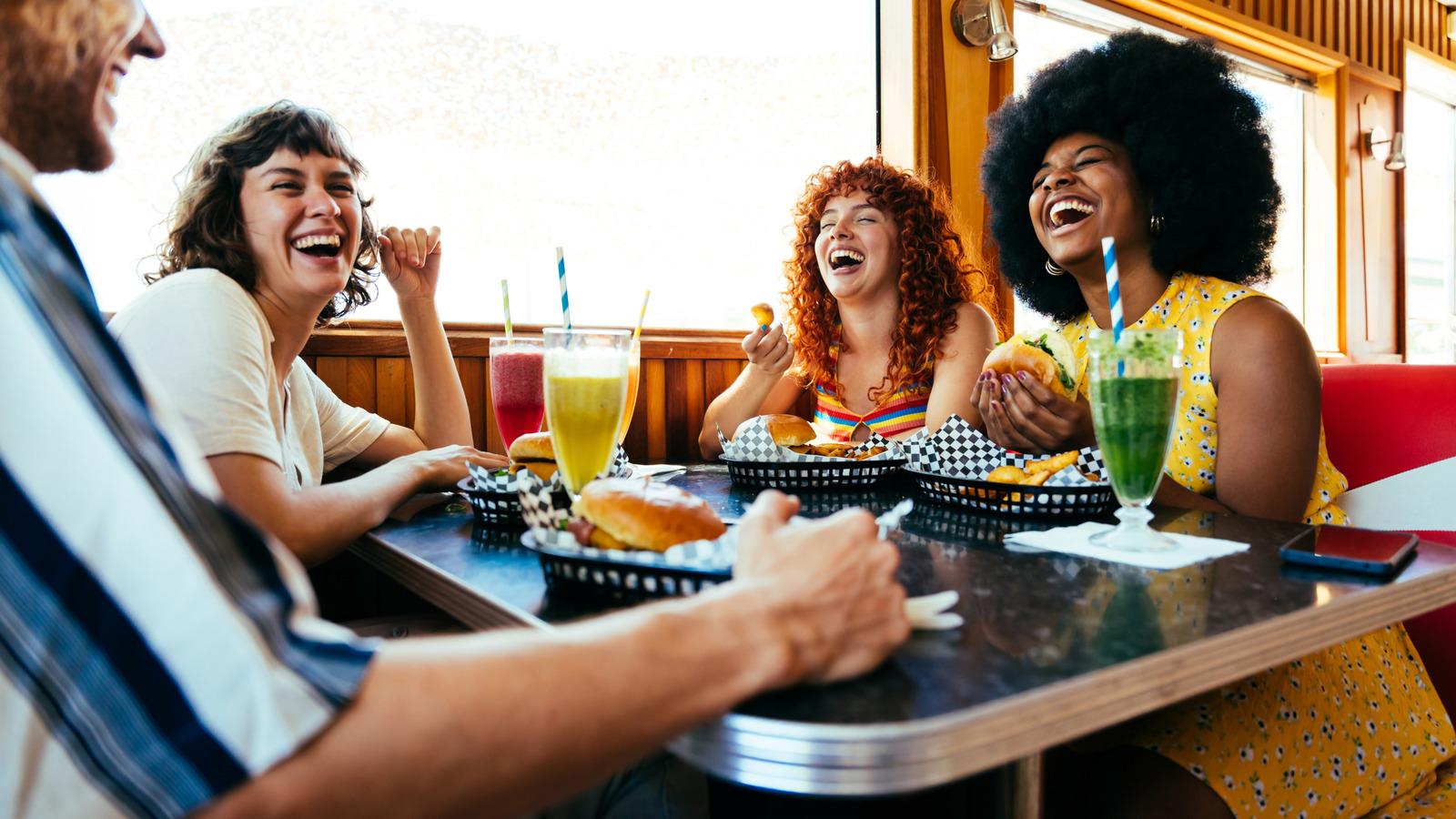
For those who grew up in the 1980s, casual restaurants often acted as an official hangout spot. In relation to salaries, dining out was relatively more accessible than it is today, and middle-class families could take advantage of eating at restaurants more often.
Iconic chain restaurants that saw success in the '80s leaned heavily into themes, ambiance, and experience — a far cry from the sleek and sometimes aseptic branding of modern-day chains. Food quantity and flavor were often a greater priority than quality. Unfortunately, many of the restaurants you have fond memories of from this time period have now struggled to stay competitive in an increasingly crowded restaurant space. This, on top of increased labor costs and food inflation, has made staying afloat close to impossible for many once-popular dining brands.
Yet in 2026, a few underdogs have staged a modern-day comeback after years of struggling or bankruptcy. In a world where build-your-own bowls models reign supreme, quirky, vintage concepts can go a long way in a landscape of impersonal fast casuals. Nostalgic-leaning chains have become cool again — and here are four more poised to do the same.
Bennigan's
Bennigan's is the perfect example of a restaurant chain that heavily leaned into a theme — it brought the Irish pub to American suburbs. It served up generous pub appetizers, loaded potato soup, and was known for its fried Monte Cristo sandwich served with jam. It did not hold back on design and decor — its locations included stained-glass windows and dark wood, complete with a lively bar ambiance inspired by those of Dublin.
The chain opened in Atlanta in 1976 and grew to over 300 locations at its peak in the 1980s and 1990s. Yet by 2008, the chain filed for Chapter 7 bankruptcy and shuttered around 150 company-owned stores overnight. One of the reasons Bennigan's disappeared across the country so quickly is that it couldn't match the pace of constantly emerging fast-casual competitors that were more modern and offered more distinctive food. While this chain had a defined Irish theme and a good happy hour, a lot of its menu items were very similar to those at restaurants like Ruby Tuesday or Chili's, but its food was simply not as favorably reviewed.
Legendary Restaurant Brands, who revived Steak and Ale, Bennigan's sister restaurant concept, are planning a continued Bennigan's expansion in 2026. As of March 2026, the Irish pub chain has fewer than 10 traditional locations across the country, 15 abroad, and several "On the Fly" models, which are slimmed-down, fast-casual versions. The restaurant group plans to continue expanding international locations through franchise deals, particularly in Qatar. Stateside, the focus will be on the more flexible On the Fly Bennigan's concept.
Hot N' Now
If you lived in the Midwest in the 1980s and early '90s, you likely went to Hot N' Now to get a quick, cheap burger. This fast food chain boasted a lightning-fast drive-through and prices that were hard to beat. Hot N' Now did fries and shakes without frills, and burgers made with 100% beef patties and fresh bakery buns.
At the chain's peak, it had 150 locations, with Michigan serving as a particular Hot N' Now hotspot. Other chains jumped on low prices for no-frills food and value menus, increasing competition in this space. By the 2000s, it couldn't keep up, and after steadily closing restaurants, it became one of the deeply missed fast food chains of the '80s when it was left with just one location in Sturgis, Michigan.
An LLC called HNN Holdings acquired the brand in 2024 and has since opened two new locations in Michigan. The goal of the revived restaurant is to bring back what customers loved most: a straightforward menu, speedy service, and affordable meals. When even a fast food meal can feel expensive in 2026, if Hot N' Now keeps its prices low, it may be able to maintain a competitive edge.
Sizzler
Sizzler sits among classic steakhouses like Outback Steakhouse and Golden Corral. Best known for its reasonably priced steak and seafood plates and an all-you-can-eat salad bar, it was a beloved spot for family sit-down meals and a place for casual celebrations. It was one of the most popular family-friendly restaurant chains in the 1980s and 1990s, with 700 locations throughout the country.
A combination of factors led to Sizzler's fall from grace; while it was not exclusively a buffet, the brand struggled as consumers moved away from the buffet-style salad bar model in the 2000s. On top of this, the chain was hit with a catastrophic E. coli outbreak in 2000 from contaminated meat, resulting in more than 100 sick customers and one death. In the mid-1990s, the brand also struggled with operational distractions and franchisee disputes. Sizzler eventually filed for Chapter 11 bankruptcy in 2020 while facing pandemic struggles and debt, emerging from that process in 2023 with a focus on its remaining, largely franchised, footprint.
Sizzler's comeback is informed by its past errors: It will focus on returning to its roots with its core offerings and branding, taking the best of what the brand has been known for and giving it a refresh. At the same time, it is remodeling restaurants with a more contemporary design and modern touches like digital menus. And yes — the salad bar is back in business, with this being featured at the center of the restaurants. This favorite feature will now include a beverage bar, hot appetizers, and a more robust dessert bar.
Ground Round
If you have faint memories of eating at a casual chain with your family in the 1980s and tossing peanut shells on the floor, you are not imagining things. You were likely at Ground Round, a restaurant chain best known for large portions of American comfort food and a fun, family-friendly atmosphere. In addition to the free peanuts, there was free popcorn, classic films playing in the background, and a policy where kids' sports teams that won their games ate for free.
The chain thrived in the '80s and '90s with 200 locations across the United States. Ground Round, however, eventually struggled with debt. The company had taken out loans to expand but was not generating enough profit to service that debt and grow as planned. After filing for bankruptcy in 2004, it closed most locations, eventually being left with only a handful.
In 2024, a couple named Joseph and Nachi Shea purchased the brand's rights, and in 2025, they opened the first new location in 20 years in Massachusetts. For now, it seems the entrepreneurs are focused on reviving the brand to mirror its former glory.

 English
 Arabic
 French
 Spanish
 Portuguese
 Deutsch
 Dutch
Dutch
 Italiano
 Russian
 Romaian
 Portuguese (Brazil)
 Greek
Greek