


Baby Apparel Market Trends, Drivers, and Opportunities (2025-2031)
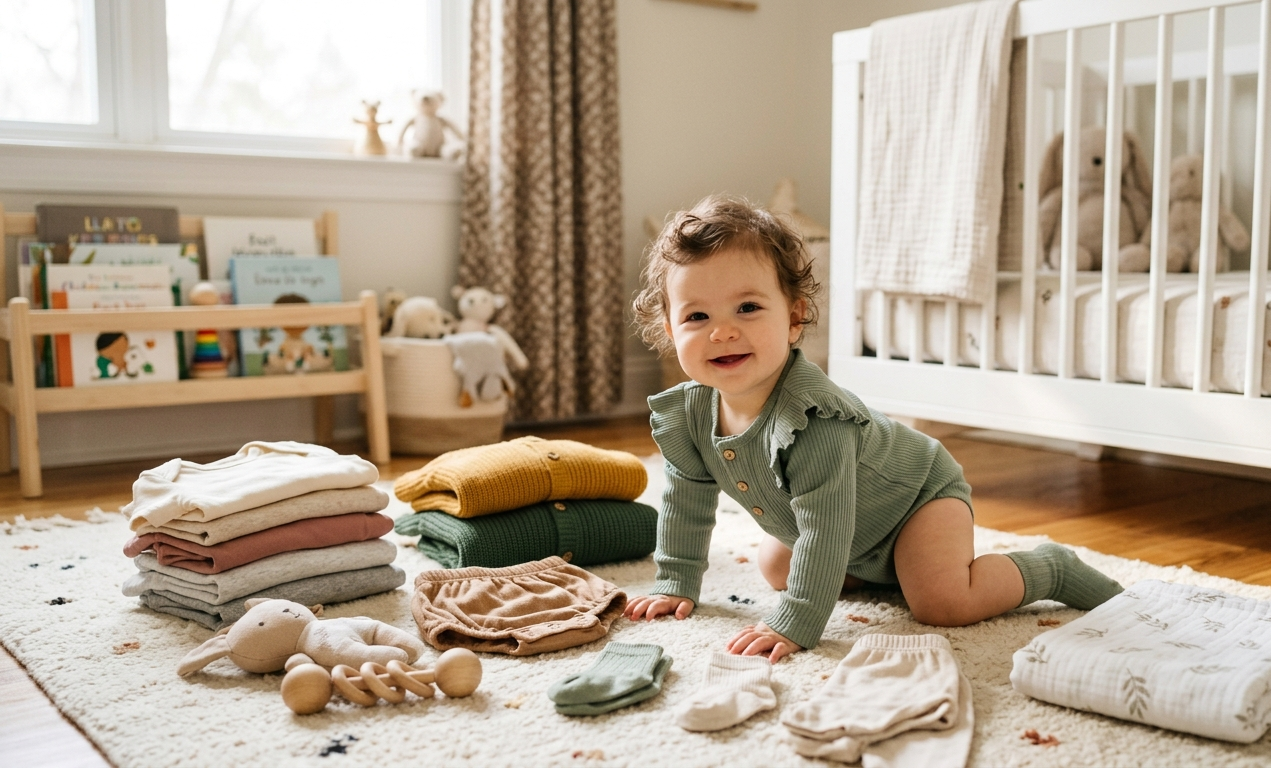
The baby apparel market is experiencing steady expansion as parents place increasing importance on comfort, safety, and style when purchasing clothing for infants and toddlers. Baby apparel includes a wide range of garments designed for children up to two years old, such as bodysuits, sleepwear, tops, bottoms, dresses, and outerwear. The industry is influenced by demographic trends, rising consumer awareness regarding baby care products, and the growing availability of fashionable yet comfortable clothing designed specifically for infants.
In recent years, the market has been shaped by changing parenting lifestyles and the growing emphasis on premium quality baby clothing. Parents are increasingly looking for soft fabrics, skin friendly materials, and stylish designs that ensure both comfort and protection for their babies. As a result, companies are introducing innovative designs and materials that meet the expectations of modern parents while maintaining safety standards. The combination of fashion trends, improved distribution channels, and technological advancements in textile manufacturing continues to support the development of the baby apparel market.
The growth of organized retail and digital commerce has also significantly improved the accessibility of baby clothing. Parents today have access to a wide range of brands and product options through online marketplaces and specialized baby product stores. The convenience of browsing multiple styles and comparing products online has transformed consumer purchasing behavior and strengthened market expansion.
Market Drivers
Several factors are driving the growth of the baby apparel market during the forecast period. One of the most important drivers is the increasing birth rate in emerging economies. Countries in Asia Pacific, Africa, and parts of Latin America are witnessing a growing infant population, which naturally leads to higher demand for baby clothing products. In addition, improvements in healthcare and reduced infant mortality rates have expanded the consumer base for baby care products, including apparel.
Request Sample Pages of this Research Study @ https://www.theinsightpartners.com/sample/TIPRE00024589
Another significant driver is the rise in disposable income among middle class families. As household income increases, parents are more willing to spend on premium and branded baby clothing. Higher purchasing power allows families to choose garments that offer better quality fabrics, improved durability, and fashionable designs. This trend is particularly evident in rapidly urbanizing regions where consumer spending on baby products continues to grow.
The expansion of e commerce platforms has also played a crucial role in boosting market demand. Online retail channels enable parents to access a wide selection of baby clothing from both international and local brands. The ability to compare prices, read product reviews, and shop conveniently from home has significantly increased the popularity of online baby apparel shopping. In addition, social media platforms and digital marketing strategies are influencing parents’ purchasing decisions by showcasing new trends and styles in baby fashion.
Another important driver is the growing demand for safe and organic baby clothing. Babies have delicate skin that can be sensitive to synthetic fabrics and harmful chemicals. As a result, parents are increasingly choosing clothing made from natural and hypoallergenic materials such as organic cotton, bamboo, and hemp. Manufacturers are responding by developing eco friendly fabrics and chemical free production processes to meet this growing demand.
Fashion consciousness among parents is also contributing to the expansion of the baby apparel industry. Parents increasingly want their babies to wear stylish outfits inspired by current fashion trends. Social media influencers, celebrity parents, and parenting communities often promote trendy baby clothing styles, which encourages higher spending on fashionable baby garments.
Market Opportunities
The baby apparel market also presents several growth opportunities for manufacturers and retailers. One of the most promising opportunities lies in the rising demand for sustainable and eco friendly clothing. Consumers are becoming more environmentally conscious and prefer baby clothing produced through ethical manufacturing practices. Companies that focus on organic fabrics, recyclable packaging, and environmentally responsible supply chains are likely to gain a competitive advantage in the coming years.
Another key opportunity is the increasing popularity of customization and personalized baby clothing. Many parents are interested in unique designs that reflect their personal style or commemorate special occasions. Customized baby apparel such as monogrammed outfits, personalized prints, and tailored designs has become increasingly popular. This trend provides brands with the opportunity to offer premium products and strengthen customer engagement.
Technological innovation in textile manufacturing is also creating new opportunities in the baby apparel industry. Smart fabrics and functional clothing are being developed to improve comfort and safety for infants. For example, advanced garments may include temperature regulating fabrics, UV protection, and moisture control properties. These innovations provide additional value to parents seeking high performance baby clothing products.
The rapid growth of digital commerce also offers significant expansion potential for market players. Online retail platforms enable companies to reach global consumers without the need for extensive physical retail networks. Brands are increasingly adopting digital marketing strategies, influencer collaborations, and social media campaigns to enhance brand visibility and attract new customers.
In addition, the growing culture of baby showers and gifting has contributed to rising demand for baby clothing products. Baby apparel is commonly purchased as a gift for newborn celebrations, birthdays, and family gatherings. This trend supports repeat purchases and encourages retailers to introduce gift oriented product collections designed for special occasions.
Trending Related Reports:
- Baby Massage Oil Market Size, Share, and Growth Analysis by 2031
- Baby Pacifier Market Analysis and Forecast by Size, Share, Growth, Trends 2031
- Bath Soap Market Overview, Growth, Trends, Analysis, Research Report (2025-2031)
- Baby Diaper Market Analysis, Size, and Share by 2031
About Us:
The Insight Partners is a one stop industry research provider of actionable intelligence. We help our clients in getting solutions to their research requirements through our syndicated and consulting research services. We specialize in industries such as Semiconductor and Electronics, Aerospace and Defense, Automotive and Transportation, Biotechnology, Healthcare IT, Manufacturing and Construction, Medical Device, Technology, Media and Telecommunications, Chemicals and Materials.
Contact Us
If you have any queries regarding this report or require additional information, please contact us:
The Insight Partners
Email: sales@theinsightpartners.com
Phone: +1-646-491-9876
Website: https://www.theinsightpartners.com/
Also Available in : Korean | German | Japanese | French | Chinese | Italian | Spanish

 English
 Arabic
 Spanish
 Portuguese
 Deutsch
 Turkish
 Dutch
Dutch
 Italiano
 Russian
 Romaian
 Portuguese (Brazil)
 Greek
Greek