


Intel unveils its "fastest gaming processor ever," and prices start at just $199
Intel unveils its "fastest gaming processor ever," and prices start at just $199
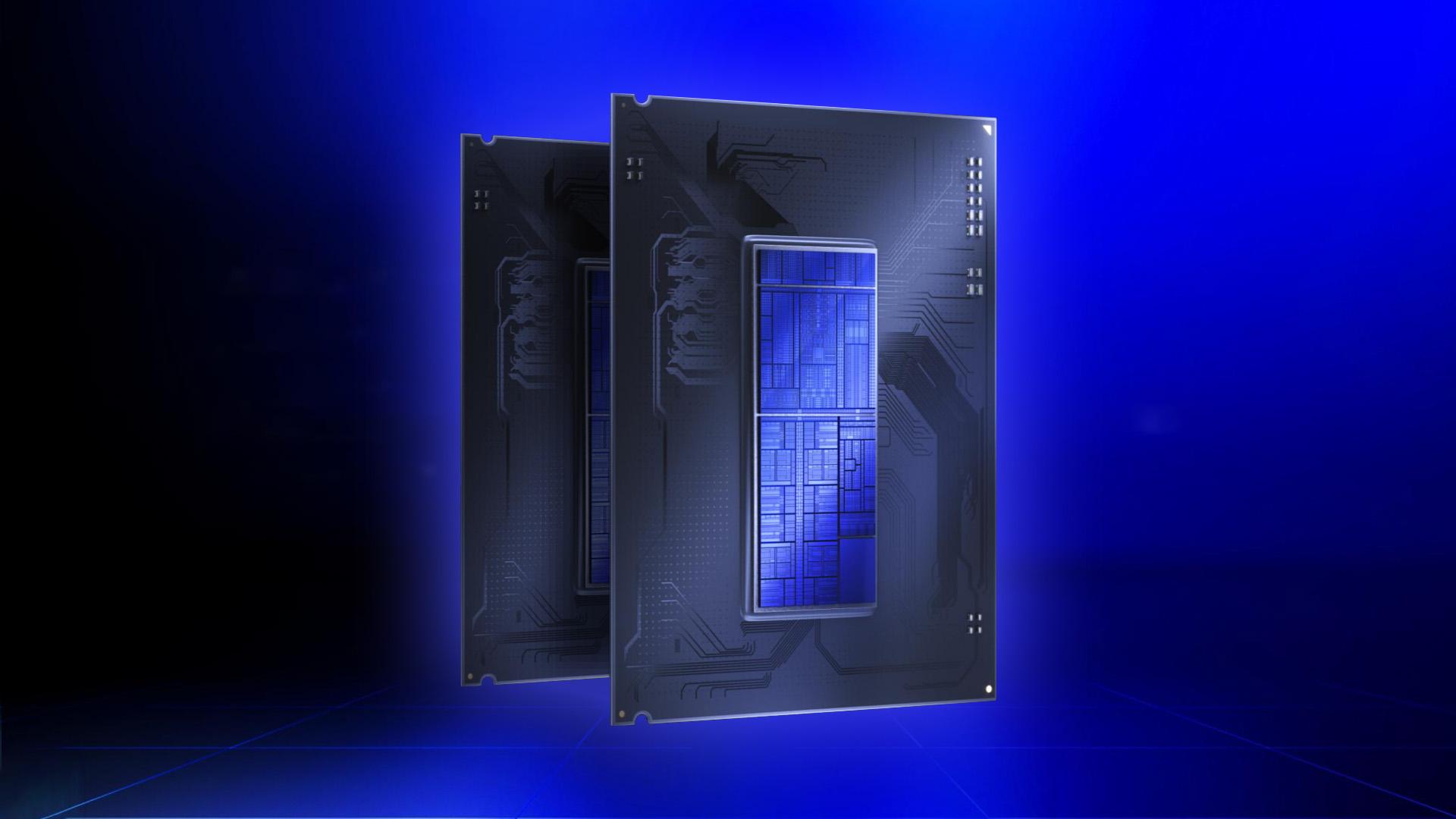
Intel has officially unveiled its two latest processors aimed at wrestling back a little bit of gaming PC market share from AMD's dominant Ryzen 7000 and 9000 chips. The new Intel Core Ultra 200S Plus lineup of the Intel Core Ultra 7 270K Plus and Ultra 5 250K Plus are its "fastest gaming processors ever," but still aren't going to topple the almighty Ryzen 7 9850X3D. However, with prices starting at just $199, Intel thinks they'll offer "more performance per dollar" than rival options.
The new 200S Plus range is Intel's third attempt at turning its Core Ultra 200 range into some of the best gaming CPUs in the world. At launch, the likes of the Core Ultra 265K couldn't compete with AMD's best, but a new 200S Boost mode released for those chips last year brought a decent increase in frame rates, as our 200S Boost benchmarks proved. Now Intel is back with the 200S Plus range, with these two new chips including "Architecture and process refinements" that the company believes make them its fastest yet.
Intel Core Ultra 7 270K
| Intel Core Ultra 7 270K specs | |
| P-Cores | 8 |
| E-Cores | 16 |
| P-Core Peak Boost clock | 5.5GHz |
| Memory support | Dual-channel 7,200MT/s DDR5, up to 192GB |
| Price | $299 |
The first of Intel's new Core Ultra 200S Plus CPUs is the 7 270K. Confusingly, despite Intel's claims that it's the fastest gaming processor it has ever made, it has the same core count as the Core Ultra 9 285K and has a lower peak clock speed of 5.5GHz compared to 5.7GHz.

However, it does include a 900MHz faster die-to-die connection, which helps the chip communicate internally more quickly. Beyond this, and the "Architecture and process refinements" mentioned above, Intel hasn't detailed how and why this chip is its fastest yet for gaming, but deep dive details will be delivered when the chips actually launch.

Demonstrating the speed of the new chip in games, Intel has shown it pitted against the Core Ultra 7 265K in the chart above. On average, these figures show the new chip being 17% faster than the 265K, though a significant proportion of that is down to Shadow of the Tomb Raider being 39% faster. Without that game included, the average drops to 12.6%.

Meanwhile, for multi-threaded app performance, Intel has compared the new chip to the $300 Ryzen 7 9700X, showing it's on average 88% faster for these sorts of workloads. Intel doesn't show comparisons for gaming versus this chip, though.
Intel Core Ultra 5 250K
| Intel Core Ultra 5 250K specs | |
| P-Cores | 6 |
| E-Cores | 12 |
| P-Core Peak Boost clock | 5.3GHz |
| Memory support | Dual-channel 7,200MT/s DDR5, up to 192GB |
| Price | $199 |
Potentially the more exciting processor prospect for buyers on a budget, the Core Ultra 5 250K is set to cost just $199, but still includes 18 total cores, a faster clock speed than the existing 245K, and still includes the 900MHz-faster die-to-die improvement of the 270K.
Showing the advantage of its many cores, Intel shows this chip pitted against the AMD Ryzen 5 9600X, which has just six cores (though each can handle two threads at once), and the new Intel chip is, on average, 94% faster in multi-threaded workloads.

Again, the company doesn't show how this new chip compares to AMD for gaming, but does show it being 13% faster than the Core Ultra 5 245K.
Both new chips can be slotted into existing Intel 800-series motherboards, which can be had from $130 upwards. However, the 200S Boost mode is only available on Z890 motherboards, which start at around $200.
The Intel Core Ultra 7 270K Plus and Ultra 5 250K Plus release date is March 26 for both chips. The launch also coincides with over 12 new 800 series motherboards hitting the market, some of which support the new high-density 4R CUDIMM memory form factor, which allows for up to 128GB per stick of DDR5. Good luck getting those at low prices in today's market, though.

 English
 French
 Spanish
 Portuguese
 Deutsch
 Turkish
 Dutch
Dutch
 Italiano
 Russian
 Romaian
 Portuguese (Brazil)
 Greek
Greek