


yougonnarain/Shutterstock
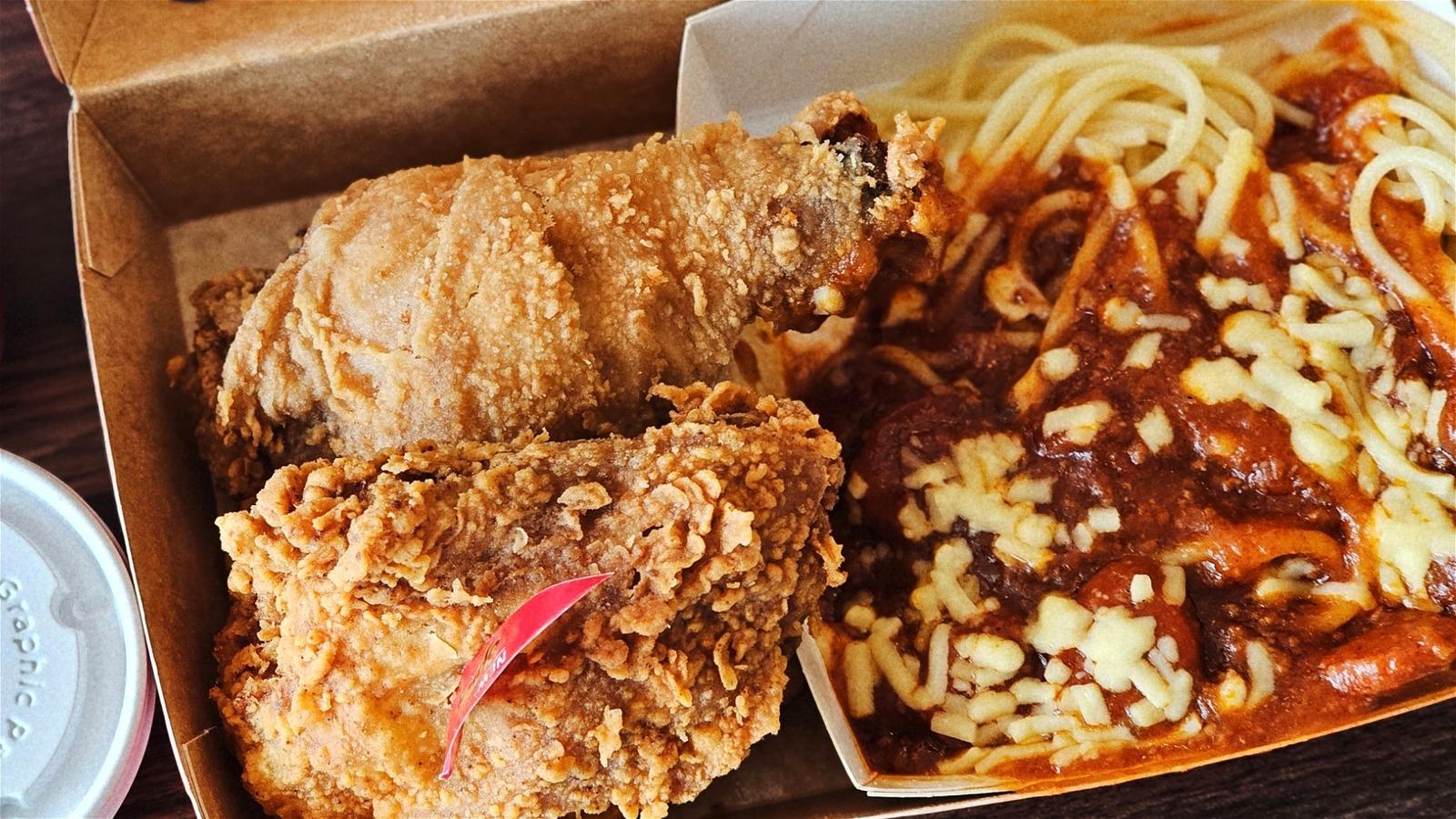
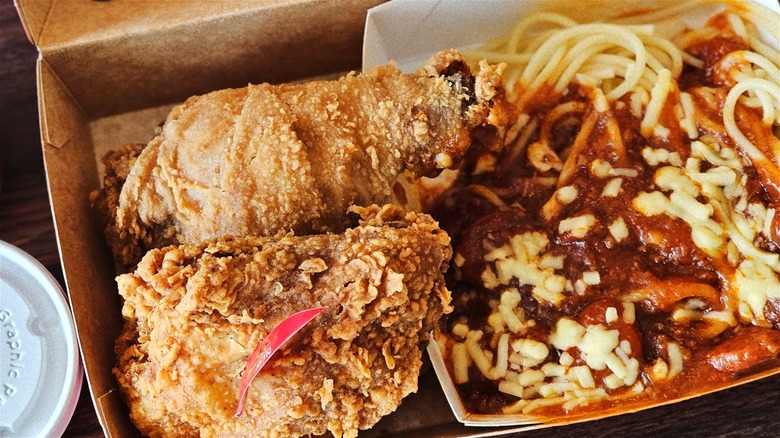
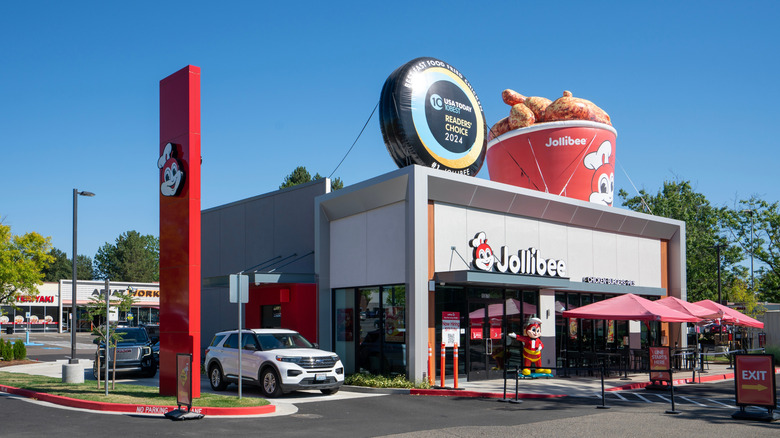
Fried chicken is by far one of the most popular foods on the planet, which also makes it a prime battleground for restaurants looking to claim a bigger share of the market. Across the globe, multiple chicken chains are looking to expand their footprint in 2026 alone, but one in particular has its eyes set on widening its reach in the U.S. Jollibee, a fast-food giant from the Philippines, is looking to open new locations throughout the country en route to having 500 by 2030.
Jollibee is arguably best known for its Chickenjoy, a crispy yet tender dish named "Best Fast Food Fried Chicken" by USA Today in 2024 and 2025. The brand first entered the U.S. market in 1998 with a branch in Daly City where, according to 2024 U.S. Census data, roughly 25% of the population is of Filipino heritage. Jollibee's international presence has since grown to more than 100 locations in North America and over 1,700 stores worldwide. The U.S. appears to be a key market for the chain, likely due in part to the fact that it is the leading destination for Filipino emigrants.
What does this mean for customers? It may just be a matter of time until you won't need to travel too far to get some Chickenjoy. As of March 2026, Jollibee is present in only 15 states, with nearly 41% of its locations in California.
Jollibee wasn't always a chicken chain
Tada Images/Shutterstock
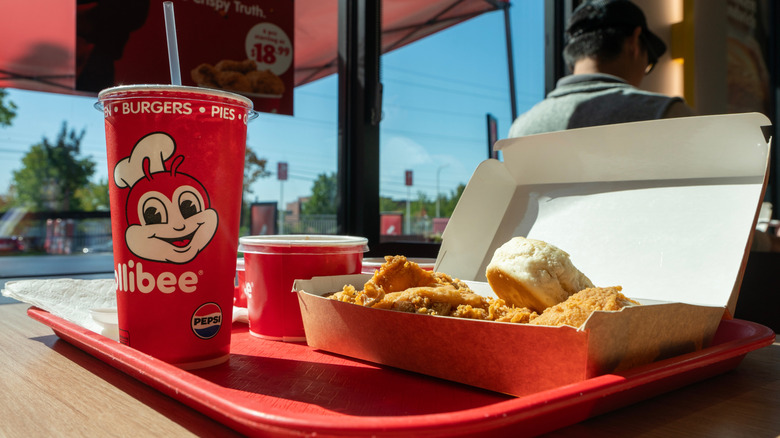
One little-known truth about Jollibee is that Chickenjoy wasn't even its original flagship product. In the 1970s, Jollibee founder Dr. Tony Tan-Caktiong converted his ice cream parlors into American-inspired fast food joints, placing the Yumburger front and center as the main draw on the menu. Around this time, other restaurants were more established in the fried chicken game: KFC entered the Philippines market in 1967, while homegrown brand Max's Restaurant (often called "The house that fried chicken built") opened a full two decades earlier, in 1945.
A few current menu items also reflect how Jollibee started out as a fusion of American fast food and Filipino flavors. The Aloha Yumburger is a bacon cheeseburger zhuzhed up with the tropical sweetness of grilled pineapple, while the Peach Mango Pie is a deep-fried treat filled with mangoes and peaches — the latter of which isn't indigenous to the Philippines. The Burger Steak blends Filipinos' love of rice and saucy dishes by dousing burger patties in mushroom gravy and serving them as a rice topping.
Chickenjoy as we know it today was only developed and perfected in the 1980s. Over the next decade, the dish would be catapulted into the forefront of Jollibee's offerings, thanks in no small part to a wildly successful ad campaign that had Filipino kids singing about fried chicken. Fast forward to today, and Chickenjoy is the restaurant's headliner menu item as it continues to expand its presence throughout the United States.
Explore iconic Filipino flavors through Jollibee's global expansion
Tada Images/Shutterstock
If you haven't tried anything from Jollibee yet, the restaurant's expansion plans make it more likely that you'll change that. Chickenjoy will always be the chain's marquee product, but some other items on the menu are worth tasting at least once, especially if you've never eaten Filipino food.
There are a few items from Jollibee that can give you a fast food-tinged teaser of the Philippines' cuisine. The sweet Jolly Spaghetti may be considered by many to be Jollibee's worst menu item, given how much it differs from typical expectations of spaghetti, but most Filipinos will tell you it tastes just like their childhoods. Palabok Fiesta is the chain's quick-service take on pancit palabok, a rice noodle dish made with a rich, garlicky seafood sauce and topped with shrimp and crushed pork cracklings.
You'll probably also want to try a frosty halo-halo, a dessert that mixes crushed ice with an assortment of colorful toppings, including flan, ice cream, beans, ube, fruits, and gelatin. Interestingly enough, Jollibee doesn't usually serve halo-halo in the Philippines; that's more commonly bought at Chowking, another global fast food brand owned by Jollibee Foods Corporation. Another item you'll find at Jollibee in the U.S., but not in the Philippines, is adobo rice: a side of rice cooked in the sauce of what many consider to be the Philippines' unofficial national dish.

 Arabic
 French
 Spanish
 Portuguese
 Deutsch
 Turkish
 Dutch
Dutch
 Italiano
 Russian
 Romaian
 Portuguese (Brazil)
 Greek
Greek