


Alex_Karlssonn/Shutterstock
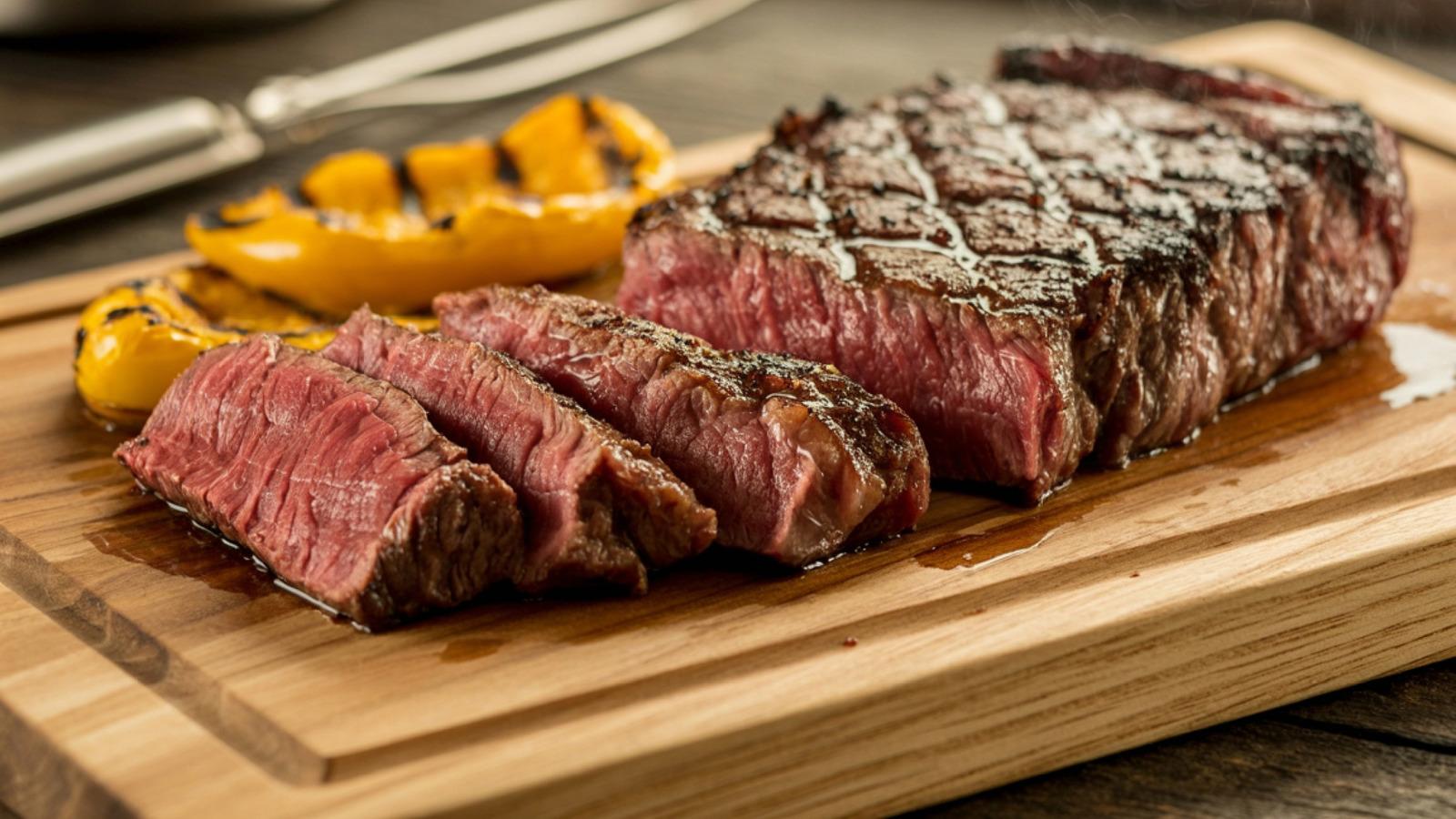
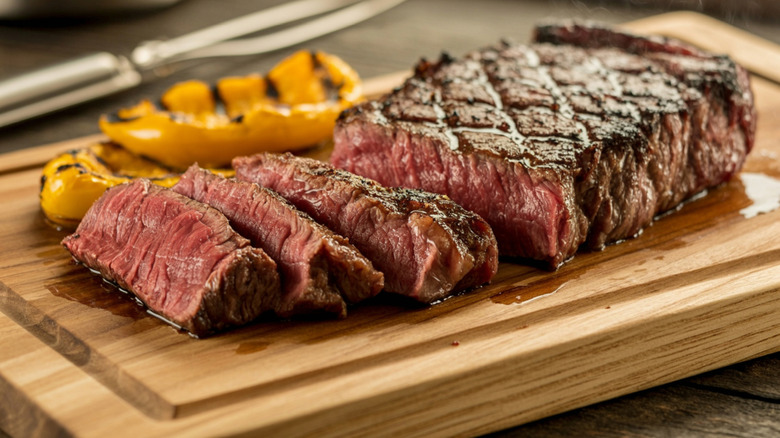
When you've cooked a perfectly juicy steak but can't finish all of it, the leftovers deserve to be treated with the same respect you gave the meat the first time around to ensure it stays fresh. The good news is that with the right approach to storage, that beautiful piece of beef can taste nearly as great the next day (or in a few days). So before you worry about how to reheat your cold steak, or even topping your leftover steak on a baked potato, let's feed you these must-follow steps to store it properly.
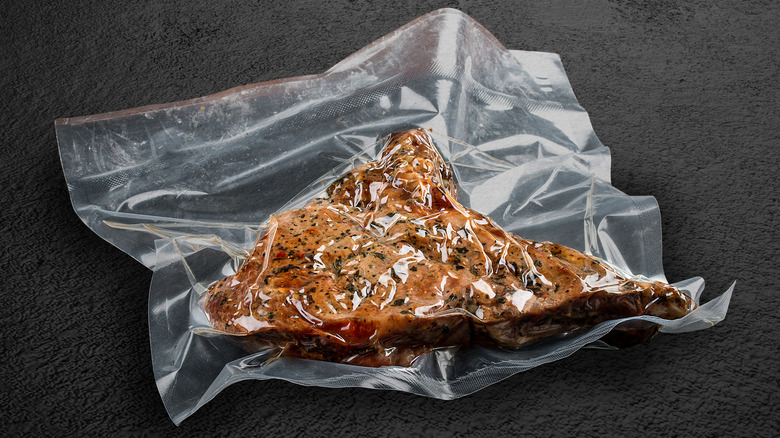
The key to great leftover steak starts the moment it comes off the heat. Let it cool at room temperature — no longer than two hours — before refrigerating. The key to preserving flavor is keeping the meat's natural juices and avoiding air flow in the fridge. Otherwise, it will dry out and lose its tenderness. A vacuum sealer is ideal in this situation. But if you don't have one, a tight wrap in heavy-duty freezer paper, plastic wrap, or aluminum foil before it's put into a sealed bag or airtight container will also do wonders to hold the moisture in, and keep it free of pathogens. It will come out nice and juicy and ready to eat or reheat. Just be sure to not let it sit in the fridge for too long.
Storage timing and how to know when leftover steak has gone bad
GrumJum/Shutterstock
According to the USDA, cooked steak is perfectly good to eat for three to four days when kept in the refrigerator at 40 degrees Fahrenheit or below. Beyond that timeframe, bacterial growth becomes a real concern. So if you're not planning to eat your leftover steak in the next few days, the freezer is best the move — it will last three to four months frozen, when stored properly.
However, if you opt for the fridge route, there are telltale signs of spoilage to look out for before you heat up your leftovers, and your nose is your first line of defense. A sour or ammonia-like smell is a reliable warning sign that bacteria have taken hold, and the meat is no longer safe. Next, look at the surface. A slimy or sticky film is also a sign of bacterial growth. If it has turned gray, brown, or a bit on the green side, it's time to toss it. Even if it seems okay but has completely dried out, it still may be time to throw it out. The best rule of thumb: When in doubt, throw it out. But if you take a good look and it's only been a couple days, your leftover steak should be just as good as it was when hot off the grill.

 English
 Arabic
 French
 Spanish
 Portuguese
 Deutsch
 Turkish
 Italiano
 Russian
 Romaian
 Portuguese (Brazil)
 Greek
Greek