


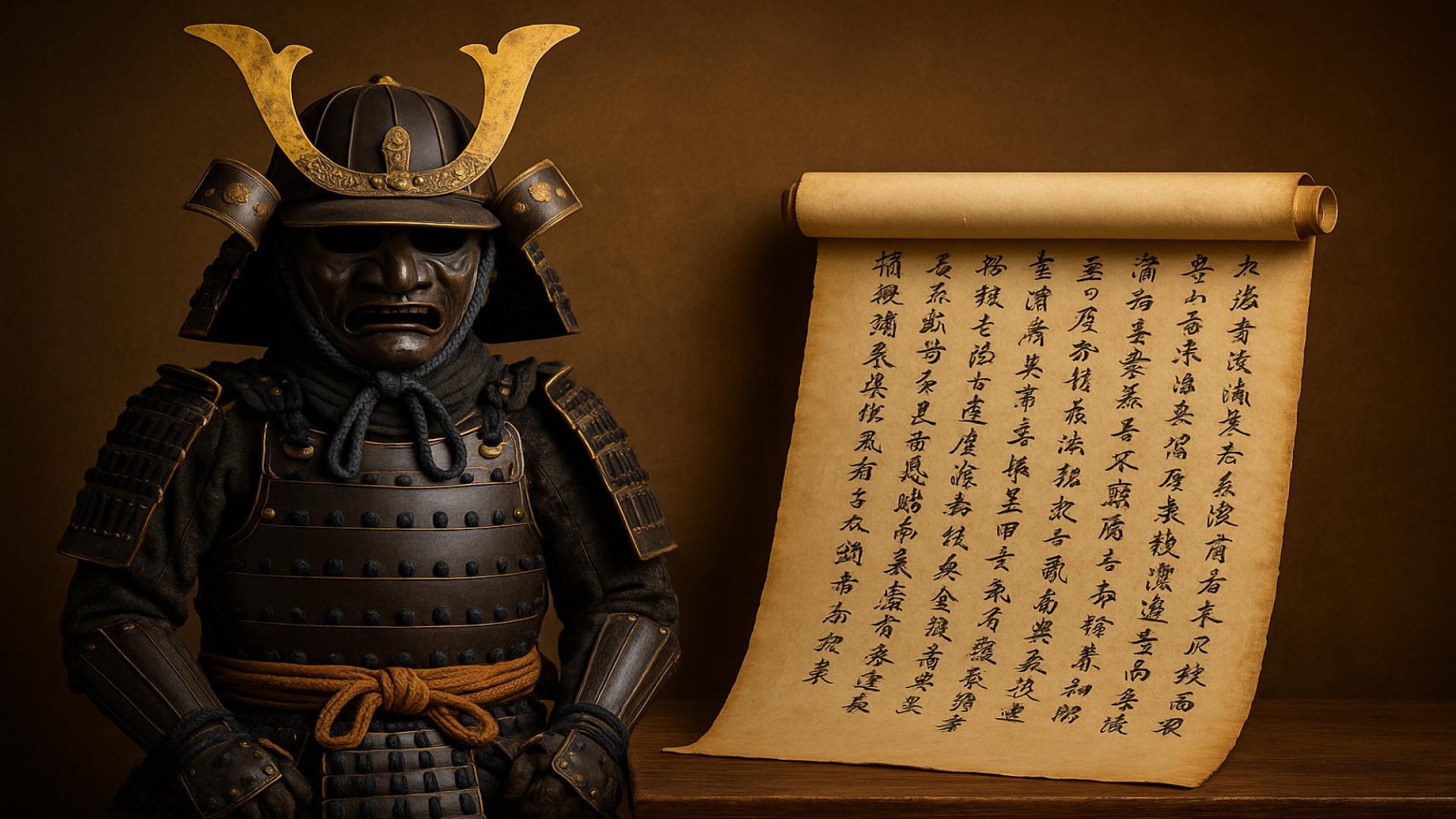
12 Samurai Codes That Shaped the Art of Japanese Warfare

0
2Кб

12 Samurai Codes That Shaped the Art of Japanese Warfare - History Collection

7. Loyalty (Chūgi)

12 Samurai Codes That Shaped the Art of Japanese Warfare
Image Source: Wikimedia Commons.

The code of loyalty (chūgi) demanded that samurai serve their lords and clans with absolute dedication, even at the cost of their own lives. The legendary tale of the 47 Ronin—who avenged their master’s death despite knowing the consequences—exemplifies this ideal. Such steadfast allegiance deeply influenced Japanese culture, shaping traditions of loyalty in both corporate and social spheres that persist today. For the samurai, loyalty was more than duty; it was a sacred bond.

8. Self-Control (Jisei)

12 Samurai Codes That Shaped the Art of Japanese Warfare
Image Source: Wikimedia Commons.

Self-control (jisei) was crucial for samurai, requiring mastery over emotions, desires, and impulses at all times. In the chaos of battle, calm focus determined survival, while in daily life, restraint upheld dignity and discipline. This virtue was deeply influenced by Zen Buddhism, which emphasized mindfulness and inner tranquility. By cultivating self-control, samurai honed their minds as rigorously as their swordsmanship, striving for harmony within themselves and the world around them.

9. Filial Piety (Kō)

12 Samurai Codes That Shaped the Art of Japanese Warfare
Image Source: Wikimedia Commons.

Filial piety (kō) guided samurai to honor their families, ancestors, and elders, forming the foundation of their personal and social responsibilities. This deep reverence shaped their sense of duty, motivating them to uphold family honor and legacy through every action. Heavily influenced by Confucian values, filial piety reinforced the bonds of loyalty and respect that extended beyond the battlefield. Through kō, samurai ensured that their lineage and traditions were preserved across generations.

10. Duty (Giri)

12 Samurai Codes That Shaped the Art of Japanese Warfare
Image Source: Wikimedia Commons.

Duty (giri) was a powerful force in the life of a samurai, compelling them to fulfill obligations—whether to their lord, family, or community—regardless of personal hardship. This sense of duty often required personal sacrifice, with samurai placing collective needs above their own desires. Unlike some Western concepts of duty, which can be more individualistic, giri was inseparable from the social fabric of samurai life. Fulfilling one’s duty defined true honor and belonging.

11. Preparedness (Kanryō)

12 Samurai Codes That Shaped the Art of Japanese Warfare
Image Source: Wikimedia Commons.

Preparedness (kanryō) defined the samurai’s ever-vigilant mindset, keeping them ready for combat or crisis at any moment. Rigorous training regimens, daily drills, and strategic planning were integral to their way of life, ensuring sharp skills and swift responses. This relentless focus on readiness set the samurai apart from other warriors of their era. Preparedness was not just about physical conditioning—it was a mental discipline that shaped every decision and action.

12. Simplicity (Kansei)

12 Samurai Codes That Shaped the Art of Japanese Warfare
Image Source: Wikimedia Commons.

Simplicity (kansei) encouraged samurai to embrace a life free from excess, focusing on essentials and inner clarity. Influenced by Zen philosophy, this value shaped not only their daily habits but also their approach to art, architecture, and personal conduct. Minimalism became a hallmark of samurai aesthetics, emphasizing subtle beauty and purposeful living. By valuing simplicity, samurai cultivated discipline, humility, and a deeper connection to their path.

Legacy

12 Samurai Codes That Shaped the Art of Japanese Warfare
Image Source: Wikimedia Commons.

The 12 samurai codes explored here formed the ethical backbone of Japanese warfare and society, guiding generations of warriors in every aspect of life. Their legacy endures—shaping Japanese culture, leadership principles, and martial arts even today. In a rapidly changing world, these timeless values—honor, loyalty, self-control, and more—offer inspiration for personal growth and ethical leadership. By embracing the wisdom of bushidō, we can find strength and purpose, both as individuals and as a global community.

Поиск
Категории
Больше
Игры
Super Meat Boy 3D is reviving one of 2010's hardest games, and it looks amazing
Super Meat Boy 3D is reviving one of 2010's hardest games, and it looks amazing One of...
От Test Blogger6 2025-06-08 18:00:21 0 3Кб
Technology
4 AOL features from the 90s that are big in 2025
AOL pioneered more 2025 tech than you know The...
От Test Blogger7 2025-08-15 10:00:11 0 2Кб
Technology
What are pig butchering scams? How to protect yourself from online con artists.
What are pig butchering scams? The crude name shows you...
От Test Blogger7 2025-06-18 23:00:12 0 2Кб
Игры
This classy new Razer Zenless Zone Zero gear makes me wish I mained Miyabi
This classy new Razer Zenless Zone Zero gear makes me wish I mained Miyabi As an Amazon...
От Test Blogger6 2025-08-22 16:00:11 0 1Кб
Food
Pizza Chains That Are Vanishing Across America
Pizza Chains That Are Vanishing Across America...
От Test Blogger1 2025-07-29 18:00:09 0 2Кб