


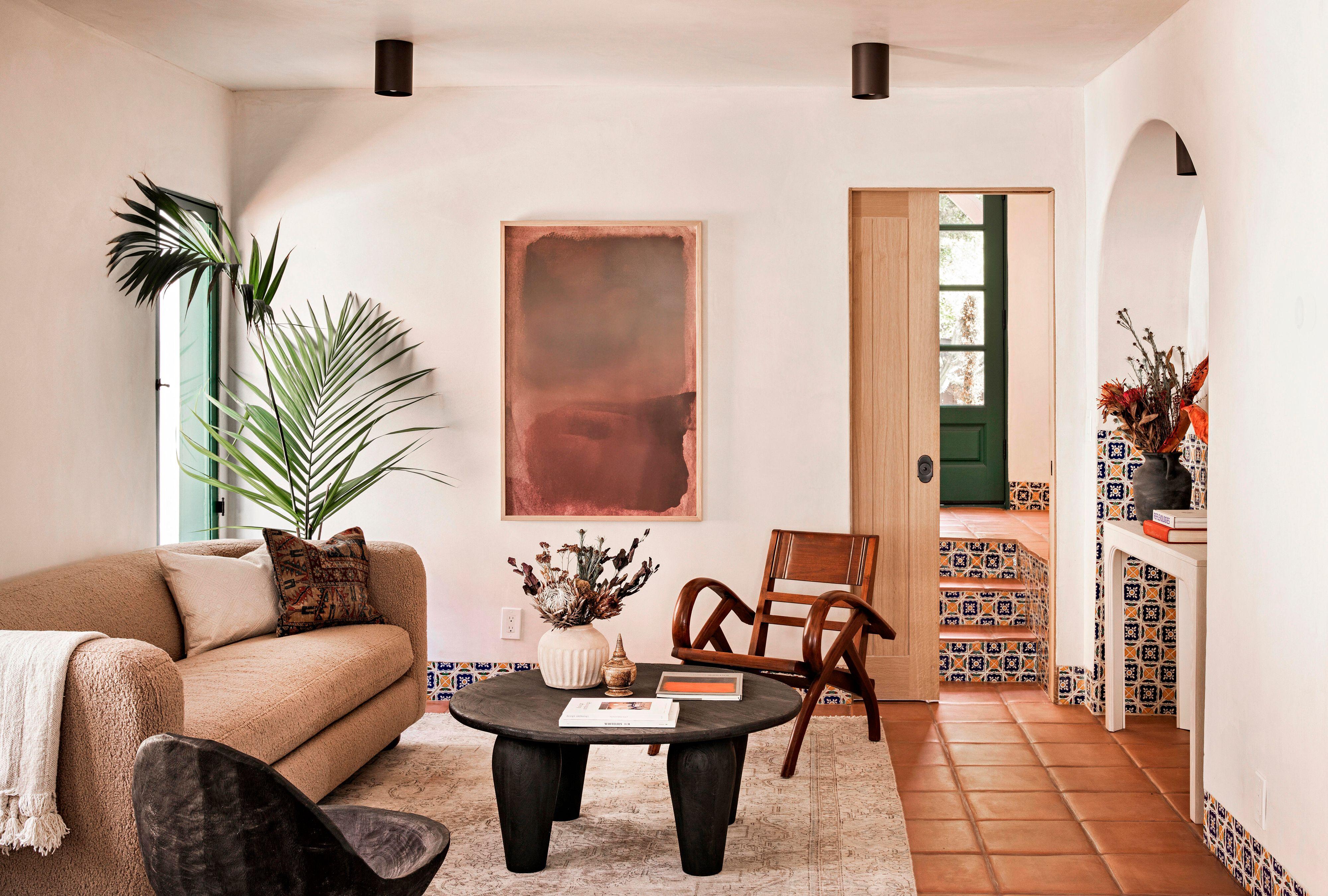
Not long ago, homeowners swapped walls for open living spaces that blurred the lines between living, dining, and cooking. But some are experiencing a case of demo-related remorse as builders return to defined gathering spaces rather than open-concept floor plans.
Various factors contributed to this shift, most predominantly the global pandemic, which forced many to rethink the rooms in their home. But what can be done if you own an open-concept home yet desire more intimate and well-defined spaces? The good news is that there are plenty of ways to restore the feeling of separate spaces without putting up a "for sale" sign in the front yard.
If you want to return to defined gathering spaces in your home, here’s everything you need to know—straight from the pros.
Annie Schlechter
Why Are Homeowners Moving Away From Open Concept?
Lifestyle trends often reflect the times we live in. The pandemic reshaped our homes as many people started working and attending school from home. This shift has designer Lindsay Speace of Lindsay Speace Interior Design noticing a change in how people want their homes to look.
“After so much time at home during the pandemic and the resulting shifts to the way we now work and live, I think we're going to see the pendulum swing back towards more traditional floor plans,” she says. “To me, the most exciting thing about defined gathering spaces is the opportunity to create rooms throughout a home that each have their own unique atmosphere and can be experienced in a different way. I'm always trying to incorporate as many textiles and art as I possibly can in each project, and defined spaces give me more flexibility to do so.”
Taylor Hill of Taylor Hill Interior Design emphasizes the value of walls in modern homes. “I think people have realized the importance of walls, finally! More frequently than ever do we see households with multiple family members working from home, so sound attenuation and separation of different spaces has become a more functional necessity.” Walls help with design, serving as anchors for art, furniture, and more.
Many are also remembering why dining rooms, dens, and offices exist. “Defined gathering spaces give us a sense of place for each of the living spaces,” says Kathryn Lott of Kathryn Lott Designs. “People appreciate the need for a living room being just a living room.”
Related
Better Homes & Gardens / Brie Williams
Benefits of Defined Gathering Spaces
Defined rooms offer a major advantage: walls. While open concepts provide a full view of the family’s activities, they fall short when quiet is necessary. Walls help contain both noise and clutter, making it simpler to store children’s toys, craft supplies, and other items out of sight.
As for design, homes with separate dining and living areas can be easier to customize. Speace confirms, “From a design perspective, open-concept spaces can be limiting. When you're dealing with one large room that is broken up into zones, you don't have as much latitude with your selections.”
Better Homes & Gardens / David Tsay
Benefits of an Open-Concept Design
Despite the shift toward traditional layouts, many homeowners are still drawn to open-concept designs. These layouts remove barriers and offer a clear sight line, which is especially appealing to families. “There is a draw to open concept, especially with families,” says Lott. “It allows us to live openly in the home without barriers.”
Over recent years, lifestyles have become less formal, making open concepts popular for casual living. “Informal dining spaces and large kitchen islands became mainstays in kitchens as homeowners moved away from traditional dining rooms that were infrequently used,” Speace notes.
Whether it's families with kids or football fans watching the game while making buffalo chicken, many are happy with their undivided homes. Finding a design that suits your lifestyle is key to timeless appeal.
Victoria Pearson
How to Create Defined Living Spaces No Matter a Home's Layout
If you've been longing for walls after going open-concept, don't worry—there are ways to achieve a cozy atmosphere. Creative design can help you design defined spaces that feel like separate rooms. Hill suggests using furniture and decor to set visual boundaries. “For example, if a dining space and living space have no dividing walls, then layer a console behind the sofa with tall lamps to create a wall-like boundary between the two 'rooms.'"
Speace uses rugs to mark different zones within an open floor plan. When space allows, she also suggests multiple seating arrangements to foster a cozy, intimate vibe.

 Arabic
 French
 Spanish
 Portuguese
 Deutsch
 Turkish
 Dutch
Dutch
 Italiano
 Russian
 Romaian
 Portuguese (Brazil)
 Greek
Greek