10 Notorious Flashpoints in U.S.-Iranian Relations
6. Axis of Evil Speech (2002)
President Bush’s 2002 “Axis of Evil” speech strained U.S.-Iran relations and intensified global tensions.
In his 2002 State of the Union address, President George W. Bush labeled Iran, Iraq, and North Korea as an “Axis of Evil,” accusing them of supporting terrorism and pursuing weapons of mass destruction. This rhetoric intensified animosity and deepened distrust between the U.S. and Iran, complicating diplomatic relations for years. For more details, see The Guardian.
7. Iran’s Nuclear Program Disputes
Iran’s nuclear program remains a focal point of global tension and diplomatic negotiations.
Iran’s nuclear program has been a source of international tension for decades, primarily due to concerns over uranium enrichment and potential weaponization. In 2002, the existence of Iran’s uranium enrichment facility at Natanz was revealed, leading to global apprehension. In response, Iran agreed to suspend uranium enrichment activities in 2004 to avoid UN sanctions. However, in 2006, Iran resumed enrichment, escalating tensions. By 2011, Iran had relocated some centrifuges to the underground Fordo facility, raising further concerns. In 2015, the Joint Comprehensive Plan of Action (JCPOA) was established, limiting Iran’s enrichment levels and stockpiles in exchange for sanctions relief. Following the U.S. withdrawal from the JCPOA in 2018, Iran began scaling back its commitments, including increasing enrichment levels and stockpiles. In 2021, Iran announced the start of 60% uranium enrichment, its highest level to date, intensifying international worries. The U.S. conducted strikes in 2025, claiming to have destroyed Iran’s nuclear facilities, but reports suggest Iran is close to having sufficient material for a nuclear weapon. These developments underscore the ongoing disputes over Iran’s nuclear ambitions and their implications for regional and global security. (aljazeera.com)
8. The 2015 Joint Comprehensive Plan of Action (Iran Nuclear Deal)
The 2015 JCPOA marked a pivotal moment in global nuclear diplomacy, amid mixed reactions.
In 2015, Iran and six world powers—the U.S., U.K., France, Russia, China, and Germany—reached the Joint Comprehensive Plan of Action (JCPOA), aiming to limit Iran’s nuclear program in exchange for sanctions relief. The deal was hailed as a diplomatic triumph, with UN Secretary-General Ban Ki-moon calling it a “historic win for diplomacy.” However, it faced domestic controversies, particularly in the U.S., where critics questioned its effectiveness in preventing Iran from developing nuclear weapons. For more details, see UN News.
9. U.S. Withdrawal from the Iran Nuclear Deal (2018)
President Trump’s 2018 withdrawal from the Iran nuclear deal escalated tensions and sanctions.
On May 8, 2018, President Donald Trump announced the United States’ withdrawal from the Joint Comprehensive Plan of Action (JCPOA), commonly known as the Iran nuclear deal. He criticized the agreement as “defective at its core” and stated that it failed to prevent Iran from developing nuclear weapons. Following the withdrawal, the U.S. reinstated sanctions targeting critical sectors of Iran’s economy, including energy, petrochemical, and financial industries. This decision led to heightened tensions between the U.S. and Iran and strained relations with European allies who remained committed to the deal. For more details, see NPR.
10. Killing of Qassem Soleimani (2020)
U.S. drone strike kills General Soleimani, escalating tensions between the U.S. and Iran.
On January 3, 2020, a U.S. drone strike near Baghdad International Airport killed General Qassem Soleimani, commander of Iran’s Quds Force. This targeted assassination led to retaliatory strikes by Iran, including missile attacks on U.S. military bases in Iraq, significantly escalating tensions between the two nations. The incident marked a significant deterioration in U.S.-Iran relations, raising concerns about potential military conflict in the region. For more details, see Reuters.
Lasting Lessons and Ongoing Challenges
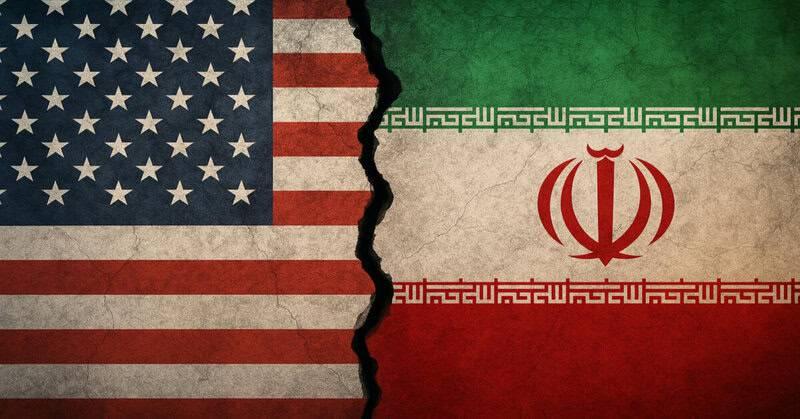
Image Source: Pexels.
The series of flashpoints between the United States and Iran have profoundly influenced not only their bilateral relations but also the broader geopolitical dynamics of the Middle East. These events have underscored the complexities of international diplomacy, the risks of military escalation, and the challenges of achieving lasting peace in a region marked by deep-seated conflicts. As both nations continue to navigate their contentious history, the path forward remains fraught with uncertainties, necessitating cautious engagement and a commitment to dialogue to prevent further destabilization. (mei.edu)





 Arabic
 French
 Spanish
 Portuguese
 Deutsch
 Turkish
 Dutch
Dutch
 Italiano
 Russian
 Romaian
 Portuguese (Brazil)
 Greek
Greek