


Valve is being sued by New York Attorney General Letitia James. The accusation: "promoting illegal gambling through videogames."
Valve is being sued by New York Attorney General Letitia James. The accusation: "promoting illegal gambling through videogames."
A lawsuit filed by New York Attorney General Letitia James accuses Valve of "illegally promoting gambling through videogames popular with children and teenagers." The developer behind Steam has long featured loot boxes in games including Counter-Strike 2, Dota 2, and Team Fortress 2, which offer a selection of typically cosmetic rewards that use a random roll to determine the prize awarded from a list when they are opened. The Office of the Attorney General alleges, "Valve has made billions of dollars luring its users, many of whom are teenagers or younger, to engage in gambling in the hopes of winning expensive virtual items that they can cash in on."
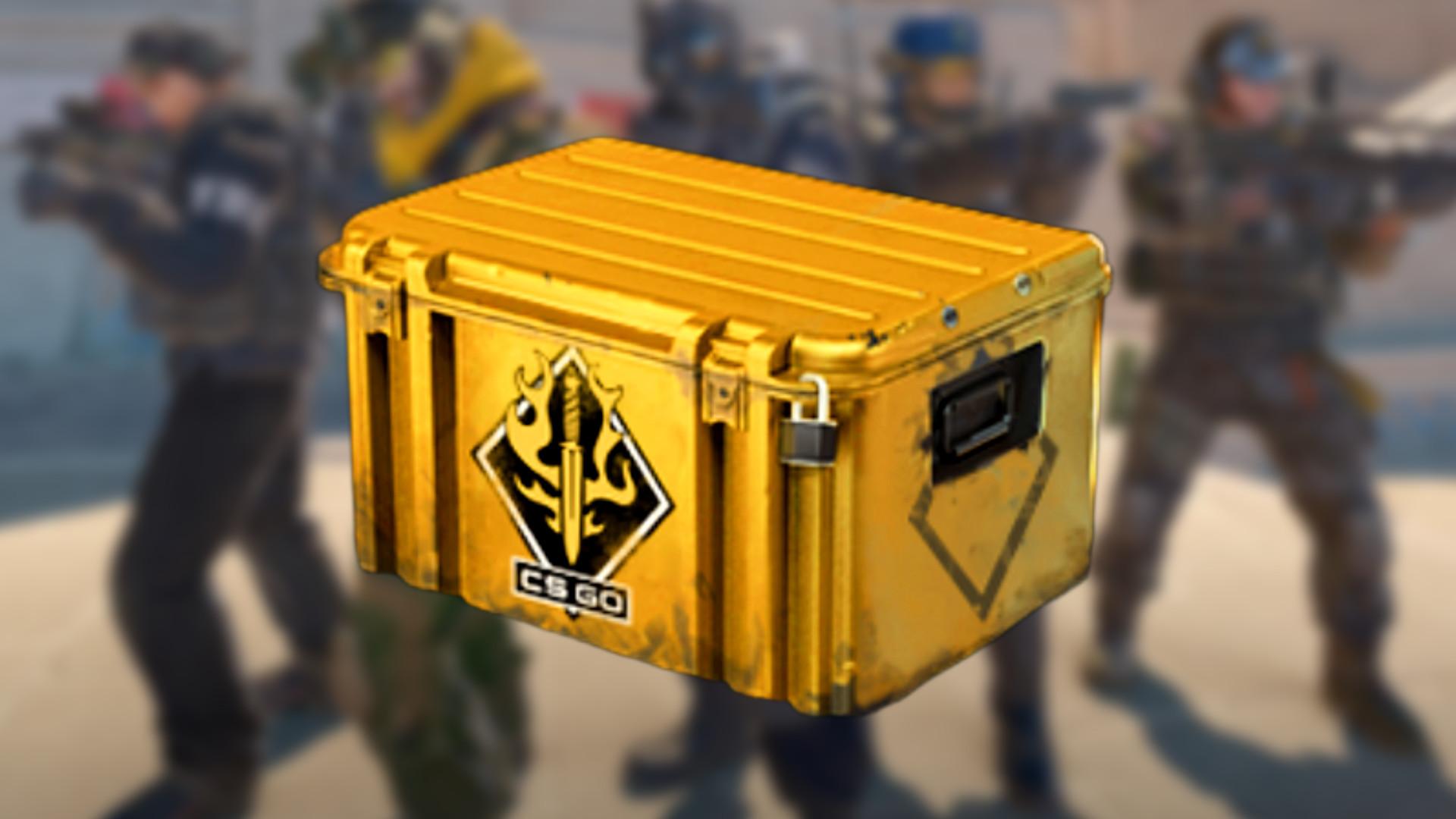
The loot boxes in question typically take the form of 'cases' in the Valve games mentioned above. Counter-Strike 2, which is consistently the most played game on Steam, grants cases to players as a weekly drop. Each case requires a single-use key to open. Modern keys are sold for $2.49 ($2.71 with New York sales tax) directly from the in-game shop, but older ones often go for higher prices via Steam's community marketplace, where you can also buy unopened crates from other players. Each crate shows a list of potential rewards, and the randomly selected item you find inside may be sold via the Steam marketplace from one week after you receive it, with 15% of the transaction going to Valve through fees.
The highest-priced cosmetics currently listed via the CS2 market are over $2,000 / £1,500. In the new lawsuit, James claims, "Valve has made billions of dollars by letting children and adults alike illegally gamble for the chance to win valuable virtual prizes. These features are addictive, harmful, and illegal, and my office is suing to stop Valve's illegal conduct and protect New Yorkers." The statement points to a June 2024 report of one player selling a 'StatTrak Factory New AK-47 Blue Gem pattern 661' for more than $1 million.

The OAG's statement also mentions the ability for users to "connect their Valve accounts to third-party marketplaces where the virtual items can be sold directly for cash." It claims, "The high value of Counter-Strike's rare skins and the ease of liquidating items through third-part marketplaces have made Valve's virtual items an attractive target for thieves. Valve has received hundreds of thousands of support requests from users reporting that their Steam accounts had been hacked, or that they had been tricked into transferring items to a bad actor."
James alleges, "Young users with limited funds can be enticed to start gambling through loot boxes in the hopes of obtaining a virtual item that they believe will enhance their status in the games' virtual worlds. Research has shown that children who are introduced to gambling are four times more likely to develop a gambling problem later in life." In a slightly odd aside, the OAG also takes a moment to claim that "Valve's promotion of games that glorify violence and guns helps fuel the dangerous epidemic of gun violence", although this isn't part of the actual case.

The lawsuit, filed to the Supreme Court of the state of New York, "seeks to permanently stop Valve from promoting gambling features in its games, disgorge all ill-gotten gains, and pay fines for violating New York's laws." I have contacted Valve for comment regarding this story, and will provide an update here if it responds.
This isn't the only legal process Valve faces, with a UK tribunal ruling in January that a lawsuit challenging Valve's pricing and revenue sharing practices and seeking up to £656 million ($897 million) in damages could go ahead.

 English
 Arabic
 French
 Spanish
 Portuguese
 Deutsch
 Turkish
 Dutch
Dutch
 Italiano
 Russian
 Romaian
 Portuguese (Brazil)