


Revitalize Your Home with a Kitchen Remodeling Project: A Complete Guide
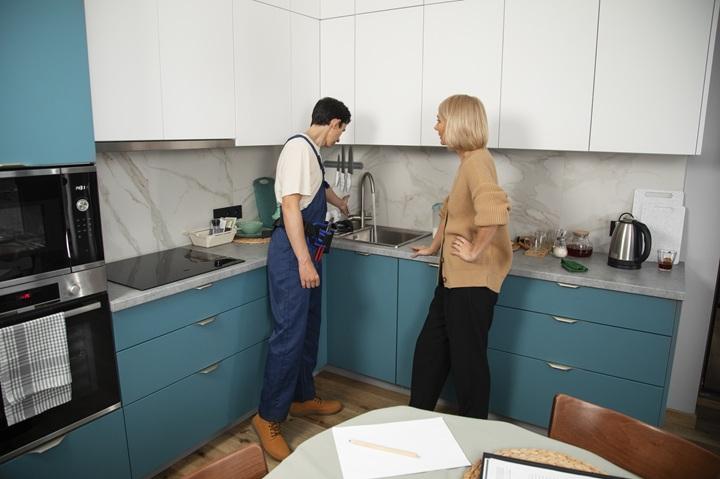
The kitchen is often considered the heart of the home. It’s the place where meals are prepared, family gathers, and memories are made. Over time, however, kitchens can begin to show signs of wear and tear, or simply become outdated. If you’re considering a kitchen remodel, you’re making a smart investment that can enhance the functionality, style, and value of your home. In this comprehensive guide, we’ll walk you through the steps of a successful kitchen remodel, including planning, budgeting, and design tips.
1. Why Remodel Your Kitchen?
Before diving into the details of your kitchen remodel, it’s important to understand why you want to renovate your space. Common reasons homeowners remodel their kitchens include:
-
Outdated Design: If your kitchen feels old-fashioned, a remodel can help update it with modern features and finishes that align with your style.
-
Increased Functionality: A kitchen remodel can enhance the layout, improve storage, and add functionality, making cooking and entertaining more efficient.
-
Boosting Home Value: Kitchen renovations are one of the most cost-effective ways to increase the value of your home, especially if you’re planning to sell in the future.
-
Improving Efficiency: Upgrading to energy-efficient appliances and adding better lighting can make your kitchen more eco-friendly and save on energy bills.
2. Planning Your Kitchen Remodel
The success of your kitchen remodel starts with careful planning. Here’s how to get started:
-
Assess Your Needs: Think about how you use your kitchen and what could be improved. Are you looking for more counter space? Do you need additional storage? Would you prefer a more open floor plan?
-
Set a Budget: Setting a clear budget is essential for a successful remodel. Decide how much you’re willing to spend and break down your expenses for things like labor, materials, and appliances. Keep in mind that unexpected costs can arise, so it’s wise to set aside some contingency funds.
-
Choose a Layout: The layout of your kitchen is one of the most important aspects of the remodel. Consider the work triangle— the relationship between the stove, sink, and refrigerator. If you’re changing the layout, make sure it enhances the kitchen’s flow and efficiency.
3. Design Trends and Styles
The design of your kitchen should reflect your personal taste and complement the rest of your home’s décor. Some popular kitchen design trends include:
-
Modern and Minimalist: This design style focuses on clean lines, neutral colors, and sleek finishes. Minimalist kitchens often feature high-end materials like stainless steel, quartz countertops, and flat-panel cabinetry.
-
Farmhouse Charm: A farmhouse kitchen combines rustic charm with modern convenience. Think wood elements, apron-front sinks, shaker cabinets, and a welcoming, casual vibe.
-
Transitional Style: Transitional kitchens blend traditional and contemporary elements, creating a balanced design with timeless appeal. This style often includes neutral colors, shaker-style cabinets, and modern lighting.
-
Industrial: The industrial design trend incorporates raw materials like exposed brick, steel, and reclaimed wood. Open shelving and bold lighting fixtures help complete the look.
4. Choosing the Right Materials
Selecting the right materials for your kitchen remodel is key to achieving a durable, functional, and stylish space. Here are some popular material choices to consider:
-
Cabinets: Your cabinets are one of the most important aspects of your kitchen remodel. Wood cabinets, whether painted or stained, are a classic choice. If you’re looking for a more modern option, consider laminate or high-gloss finishes.
-
Countertops: Popular countertop materials include granite, quartz, marble, and butcher block. Granite and quartz are both durable and low-maintenance, while marble adds a touch of luxury. Butcher block is great for a rustic look and is perfect for cutting and chopping.
-
Backsplash: Backsplashes protect your walls from spills and splashes and can also serve as a focal point. Subway tiles are a timeless option, while glass, mosaic, or patterned tiles can add a unique touch to your kitchen.
-
Flooring: For kitchen flooring, options like hardwood, tile, or vinyl are popular choices. Hardwood offers warmth and elegance, while tile is durable and easy to clean. Vinyl flooring comes in a variety of styles and is budget-friendly.
5. Energy-Efficient Upgrades
One of the best ways to save money in the long term is by upgrading to energy-efficient appliances and fixtures. Some tips for making your kitchen more energy-efficient include:
-
Energy-Efficient Appliances: Choose ENERGY STAR-rated appliances, such as refrigerators, dishwashers, and ovens, to reduce your energy consumption and save on utility bills.
-
LED Lighting: Switch out traditional light bulbs for energy-efficient LED lights. They last longer and use less energy, helping to lower your electricity costs.
-
Water-Saving Faucets: Consider installing water-saving faucets and low-flow showerheads in your kitchen to conserve water.
6. Hiring a Contractor
While some homeowners opt for DIY kitchen remodels, it’s often best to hire a professional contractor to ensure quality results. Here’s how to find the right contractor for your project:
-
Do Your Research: Ask for recommendations from friends, family, or neighbors, and check online reviews. Be sure to interview multiple contractors and ask for estimates.
-
Check Licenses and Insurance: Make sure the contractor is licensed and insured to work in your area. This ensures that the work will be done safely and to code.
-
Clear Communication: Ensure that your contractor understands your vision for the remodel. Provide them with detailed plans and designs, and keep an open line of communication throughout the project.
7. Managing the Remodel Process
The kitchen remodel process involves several steps, from demolition to installation. Here’s a rough timeline of what to expect:
-
Demolition: The first step in the process is demolition, which may include removing old cabinets, countertops, flooring, and appliances.
-
Structural Changes: If you’re changing the layout, this may include moving walls, plumbing, or electrical systems.
-
Installation: Once the structural work is done, it’s time to install cabinets, countertops, appliances, and flooring.
-
Finishing Touches: The final step involves installing the backsplash, painting, and adding any finishing touches such as hardware and lighting fixtures.
8. Conclusion
A kitchen remodel can be a life-changing project that adds both style and function to your home. By carefully planning your remodel, selecting the right materials, and working with a trusted contractor, you can create a kitchen that meets your needs and reflects your style. Whether you're looking for a modern update or a complete overhaul, a kitchen remodel is an investment that will provide years of enjoyment.

 English
 Arabic
 French
 Spanish
 Deutsch
 Turkish
 Dutch
Dutch
 Italiano
 Russian
 Romaian
 Portuguese (Brazil)
 Greek
Greek