


Veselovaelena/Getty Images
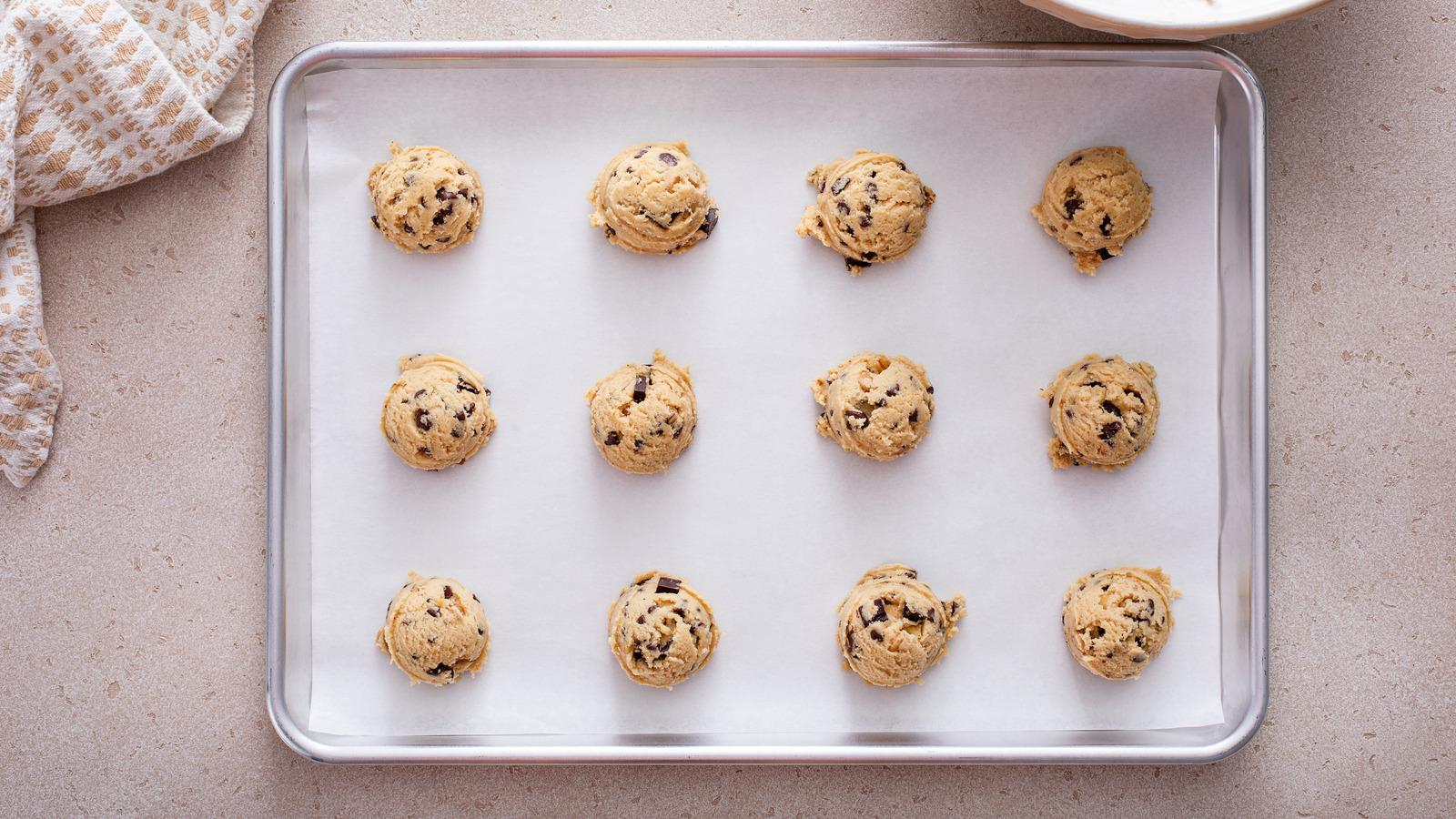
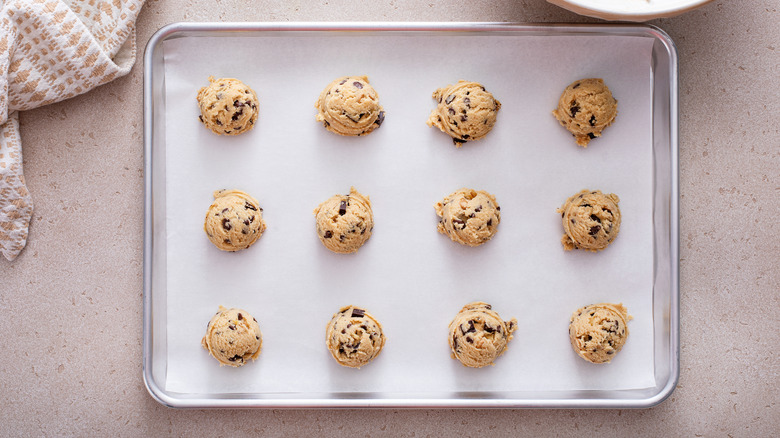
Baking can be quite unforgiving. One misstep, and suddenly your bread is a dense brick, your cake is dry, and your cookies look like pancakes. This kitchen art requires precision and paying close attention to each step and measurement. While flat cookies aren't such a devastating occurrence, if you're going for aesthetics, a thicker, slightly domed shape is nice to have.
Cookies are a great baked good for amateur bakers, yet some might still be disappointed to open the oven and see the cookie dough rounds have lost all structure. A flat shape stems from a few root causes that, luckily, aren't hard to fix. The cookie structure is most impacted by how the dough is mixed, the butter and flour, the temperature of the dough, and, finally, how closely you follow the original recipe.
Overmixing butter and the dough
Arinahabich/Getty Images
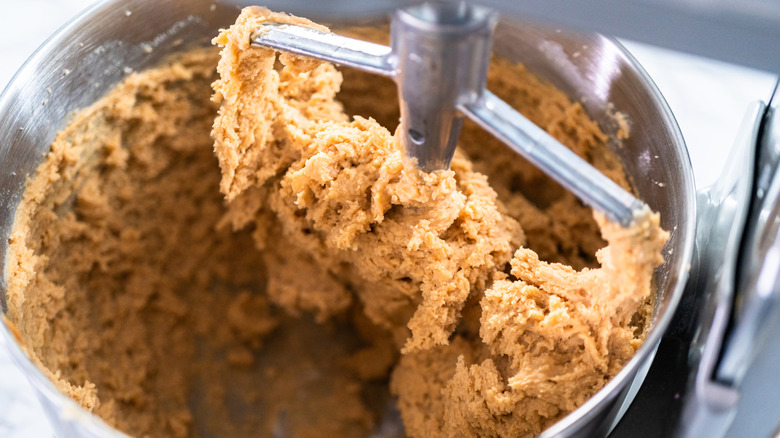
Mixing cookie dough batter is straightforward enough — or is it? There doesn't seem like there would be a wrong way to do this, but overmixing your batter can be problematic for the structure. Overmixing is a common occurrence when combining, or creaming, the sugar and butter together.
If you mix the butter and sugar together for too long, or with too much force, the fat and water in butter start to separate. When the cookie dough is in the oven, the separated butter causes the cookies to thin out. During the mixing step, King Arthur Baking recommends mixing butter and sugar together for only two to three minutes maximum.
Overmixing can occur when mixing the rest of the ingredients in, particularly the flour. You don't want clumps or pockets in the dough, but mixing too much can cause other problems. Aggravating the dough too much can lead to air bubbles that deflate and flatten the cookies while baking. The batter is mixed enough once the flour is no longer on the sides of the bowl. If mixing the dough in a mixing stand, know that it's much easier to overmix, so keep a closer eye on it than if you were hand-mixing.
Butter that's too soft, or too much butter
Igor Dudchak/Getty Images
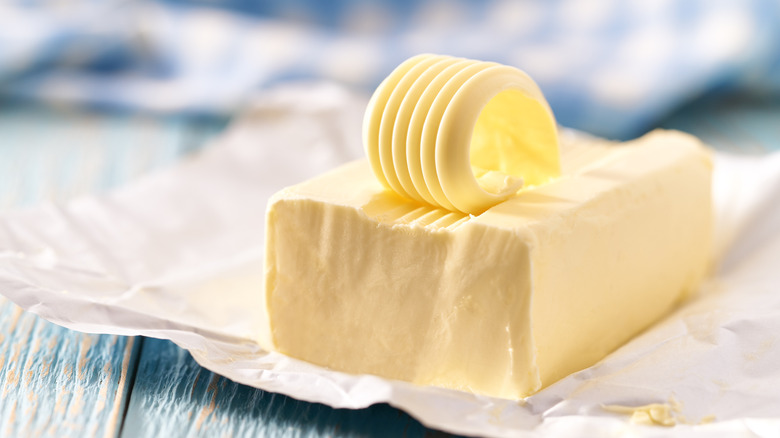
The softer the butter is, the easier it is to mix, but this is not a good thing for the structure of your cookies. If butter is in a liquid state, this is an indicator of how your cookies turn out; rather than staying firm and circular during the baking process, they thin and spread out.
Butter should be just soft enough to incorporate with the sugar, but still firm. Aim for room temperature butter that sat out of the fridge for around 30 minutes. With this firmness, air incorporates into the dough as the butter and sugar are creamed together, which helps with the rise of the cookies.
Rich, buttery cookies are delicious, but too much butter in the dough can lead to flat, greasy cookies. Adding too much butter is an easy mistake to make if you're adding it in liquid form, so be sure you're adding the correct amount of the softened solid before mixing it into the dough.
Not chilling the dough, especially in a warm kitchen
Arina P Habich/Shutterstock
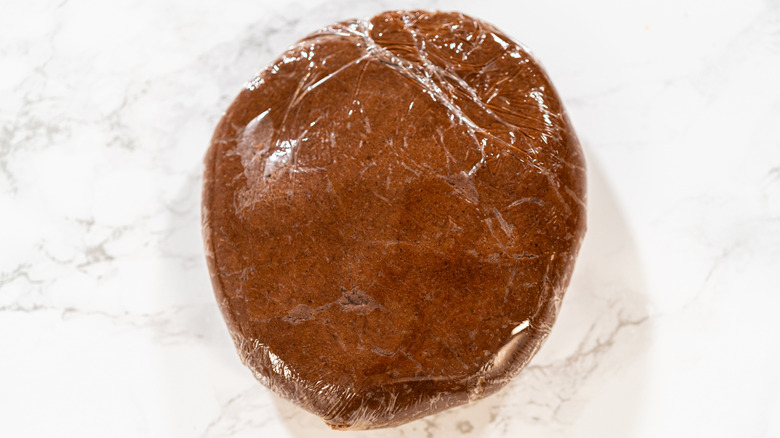
You might have picked up on a pattern that temperature is an important factor to consider when baking. The temperature of the butter matters, as does the temperature of the dough, and your kitchen. If the dough is too soft, and it goes into a hot oven, it can spread out too quickly and lead to an undesirable thin cookie.
All you need is a little extra patience: place the dough in the refrigerator for around half an hour. The time in the fridge solidifies the butter. When the cookie dough is introduced to the stove, it spreads less and maintains a more rounded form. Be sure to place the dough back in the fridge between putting batches in the oven. Many recipes call for cookie dough to go in the fridge before baking, but this step should always be included if your kitchen is warm.
This low-effort step could be the difference between pancake cookies and the thick, gooey Levain cookies everyone wants to copy. If you're really patient, placing the dough in the fridge for several hours, and up to 24 hours, has even more benefits, including enhancing the flavor and improving the texture. For cookies with special shapes, such as gingerbread men or heart-shaped cookies, chilling the dough is crucial for making sure the shape remains after placing in the oven.
Making substitutions in a recipe with alternative flours or ingredients
Veselovaelena/Getty Images
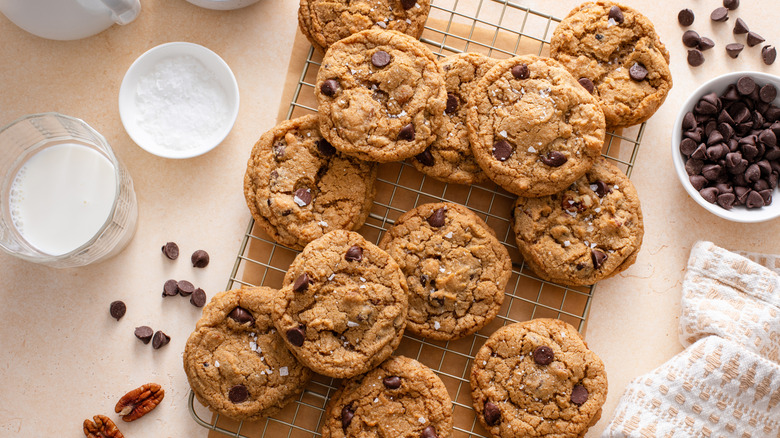
Even if you follow a vegan, gluten-free, or keto diet, it's still possible to make great cookies. The key here isn't swapping in alternative ingredients in a regular recipe; you just shouldn't use a standard cookie recipe that calls for eggs and use a flax egg at your discretion. It might work, but chances are the texture and structure could fall apart if the substitution isn't calculated correctly. It's best to find a recipe that already uses these alternative ingredients to avoid flat cookies.
This is also true if you're in a bind and don't have a particular ingredient on hand. Swapping in oil for butter, or baking powder for baking soda, doesn't guarantee results that you'll be happy with. Remember: baking is more of a science. Recipes have been calculated precisely to achieve specific texture, taste, and structure.
If you are doing any substitutions, try to find the best 1:1 substitutions that include any special instructions to ensure the final result isn't altered. For example, while coconut oil might be fine to replace butter, it changes the texture and flavor. A vegan butter is one of the best substitutes for cookies that helps them maintain the correct shape and thickness.
Not using the correct amount of flour
Vitalii Stock/Shutterstock
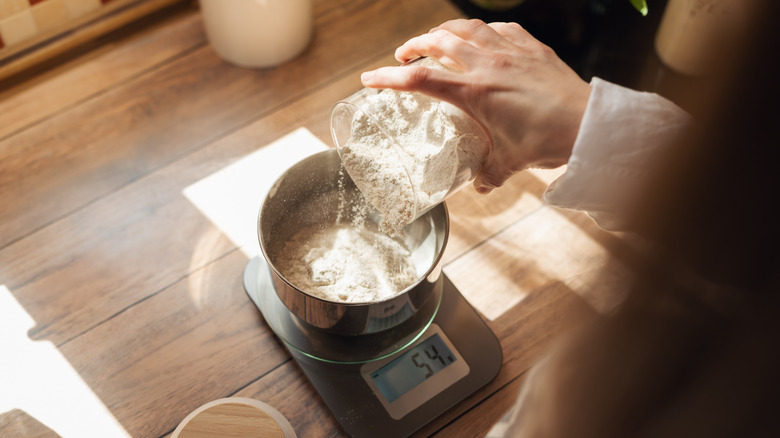
Using too much or too little flour is one of the most common mistakes when it comes to making chocolate chip cookies. Flour is what gives the cookies their structure and shape, and the gluten (the wheat protein found in flour) binds the ingredients together. Too little flour could cause the cookies to basically collapse into a pancake shape. Measuring out the correct amount of flour actually requires some technique, and simply scooping the measuring cup into a bag of flour is not sufficient enough for accuracy.
The ideal way to measure out flour is by weighing it on a scale. Although this method is less common in the United States, it ensures that the exact weight the recipe calls for is being used. When measuring it out with cups, there is a possibility of fluctuation.
The flour should never be packed down in the cups; if you do this, it probably means you're using too much. Before measuring, the flour should be fluffed up, then spooned gently into the measuring cup. Any excess flour in the cup should then be "sliced" off with a butter knife.

 Arabic
 French
 Spanish
 Portuguese
 Deutsch
 Turkish
 Dutch
Dutch
 Italiano
 Russian
 Romaian
 Portuguese (Brazil)
 Greek
Greek