


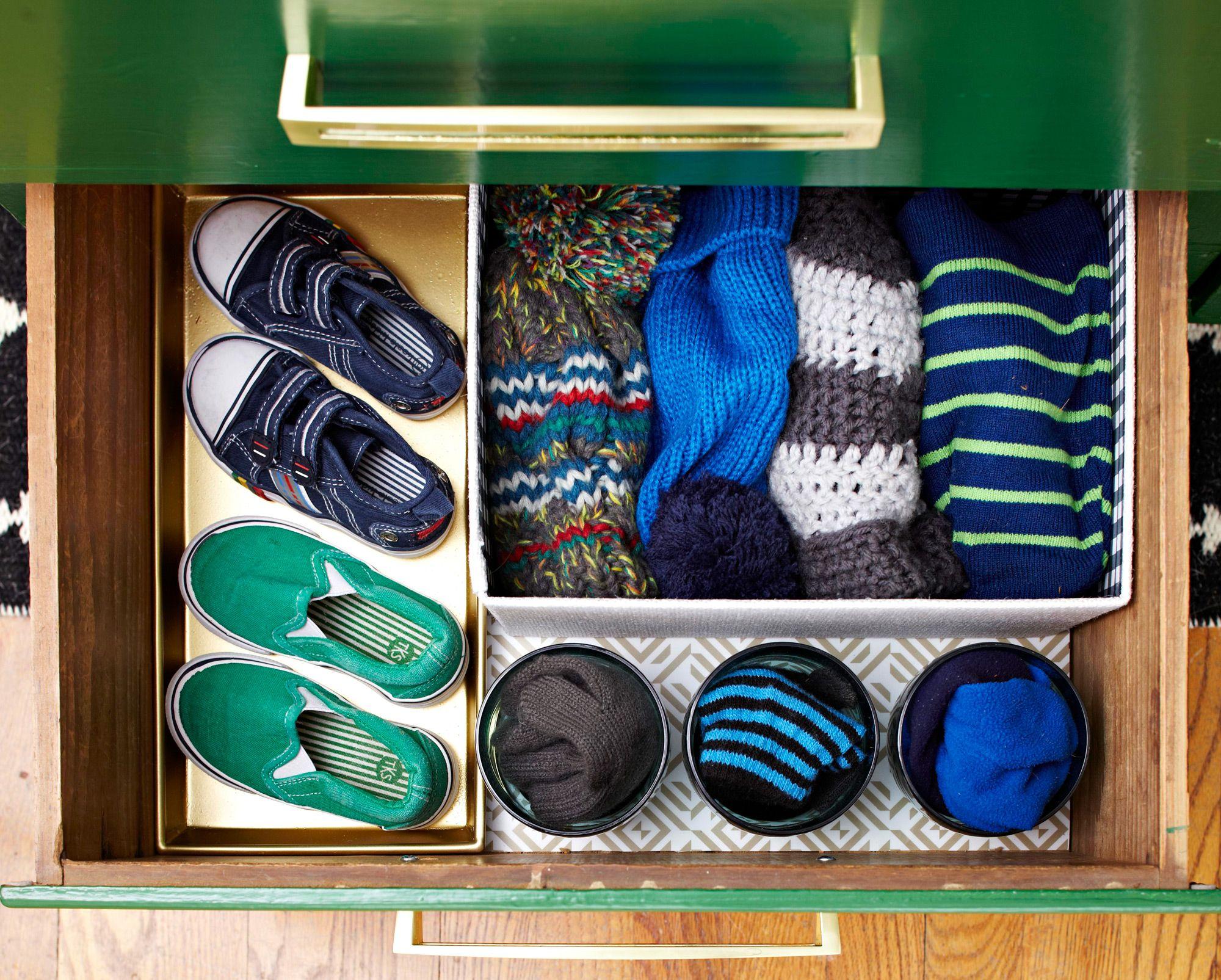
Key Takeaways
- Cleaning your winter gear for warm-weather storage prevents odors, stains, pests, and possible permanent damage.
- Outerwear, footwear, gloves, socks, and snow pants all benefit from proper cleaning at the end of the season.
- Even winter bedding, electric blankets, and sleeping bags can often be washed at home before storage.
As we move into warmer weather, it’s time to tuck away cold-weather essentials, including winter coats, boots, mittens, and bedding. However, stuffing stinky or stained items away for months is a surefire way to permanently damage them. Dirt, grime, snow, salt, and ice can ruin your winter gear and even attract pests. Here’s why and how to wash six winter essentials before storage.
1. Coats and Outerwear
Puffer jackets, parkas, chunky sweaters, and scarves need a lot of care. Read the label to get it right. The materials used in outerwear vary widely, so a one-size-fits-all approach won’t work. Some are OK to machine wash, but others need the gentle touch of handwashing. Others may require professional dry cleaning.
Generally, puffer or quilted jackets provide extra warmth with little weight. They often have natural down or polyester fillings that are easy to clean, but the surface may have waterproof coatings that require special care during washing and drying. To find the right temperature and drying instructions, consult the clothing tag.
Before putting a jacket in the washer, unzip and empty all the pockets. Choose a gentle wash cycle based on the material’s delicacy. Use dye-free detergent. Tumble dry on low or air-dry thoroughly before storing the garment. For feather items, consider using wool dryer balls to keep them fluffy.
Winter coats made of leather, fur, suede, or lined wool usually need professional cleaning. At-home dry cleaning kits can help to keep them clean between visits, but cleaning fur and leather coats is best left to professionals. Faux and fleece alternatives tend to be easy to clean at home. Always check the care label.
2. Footwear
Winter footwear includes boots of all kinds—galoshes, hiking boots, moccasins, snow shoes, and everything in between. They tend to pick up more than slush and mud. Salt and bacteria can be much worse. Moisture from wet or icy surfaces can also promote mold growth if the shoes are not thoroughly dried before storage. Start by removing surface dirt and brushing off dried debris, then clean according to the material.
Clean machine-washable boots using a gentle cycle and mild detergent, or hand-wash them. To remove salt stains, use a mixture of equal parts water and white vinegar to gently blot them away. Try a specialty cleaner and conditioner for leather and suede. Add polish to prevent dryness and cracking. Wash rubber or synthetic boots with a gentle cloth or sponge with mild soap and water. Let footwear dry completely before storing it. Consider stuffing the footwear with newspaper or shoe forms to help absorb moisture and retain shape.
Apply a waterproofing spray, if needed, and store them in a cool, dry place—away from direct sunlight. Avoid storing in plastic bags. Use breathable dust bags or cotton show boxes instead.
3. Gloves and Mittens
Winter gloves and mittens can collect plenty of dirt and grime. Fabric gloves are typically washed in the washing machine on a gentle cycle. Use a leather cleaner and conditioner for leather gloves. Dry leather gloves at room temperature and avoid any heat source. Insulated or waterproof gloves may require handwashing or dry cleaning to maintain their weatherproofing.
Avoid twisting or wringing gloves, which can distort their shape. Ensure gloves and mittens are thoroughly dry before storing them in pairs. Use mothballs to keep fabric gloves pest-free.
Related
4. Socks and Leg Warmers
Winter socks and leg warmers tend to trap sweat, dead skin cells, and moisture. They need proper care to maintain their original shape, elasticity, and cozy feel. Before cleaning, check the care label. If there isn’t a label, hand-wash in lukewarm water with a gentle detergent. If you machine wash, place the socks and leg warmers in a mesh laundry bag to prevent them from stretching. Use the delicate cycle with lukewarm water.
Never put socks and leg warmers in the dryer unless the care label indicates otherwise. Avoid fabric softeners, as they can affect elasticity and moisture-wicking. Otherwise, air-dry them on a fresh towel or drying rack. Once clean, fold them rather than roll or bunch. Store them in a cool, dry place until needed.
5. Snow Pants
Snow pants, ski pants, or bibs are waterproof or water-resistant bottoms designed to keep you warm during winter sporting activities. They also soften the blow from minor falls while snowboarding or skiing. They are prone to salt stains and damp odors, so they must be cleaned before being packed away. Use a gentle or delicate cycle. You can machine wash most snow pants using cold water and a detergent designed for waterproof fabrics. To protect zippers and hook-and-loop tape, ensure all are closed before washing.
Avoid fabric softeners and opt for air-drying or low-heat tumble-drying. Too much heat can damage the durable water-repellent coating. Once dry, fold or hang snow pants loosely to prevent creasing. Alternatively, store them in a breathable container.
6. Winter Bedding
Winter bedding includes down comforters, heated blankets, sleeping bags, and flannel sheets. These can collect dust, sweat, and body oils throughout long winter nights. To wash heated blankets, unplug them and follow the manufacturer’s instructions for a safe and thorough cleaning. Accidents could be dangerous if they expose the heating mechanism, so use extreme care and caution. Most can be safely hand-washed and air-dried.
Most sleeping bags are easily washed in a washing machine with mild soap. However, depending on the size, a home washing machine may not provide sufficient agitation. In that case, don’t stuff the machine—dry-clean or steam clean instead. Wash flannel bedding in warm water with mild detergent and avoid over-drying to prevent shrinkage. If you’re intent on handwashing, do so in a clean bathtub and use the handheld shower to spray away any spots. Dry thoroughly and store loosely in a large cotton bag until the cold temperatures return.

 English
 Arabic
 French
 Spanish
 Portuguese
 Deutsch
 Turkish
 Dutch
Dutch
 Italiano
 Russian
 Portuguese (Brazil)
 Greek
Greek