


Ilia Nesolenyi/Getty Images
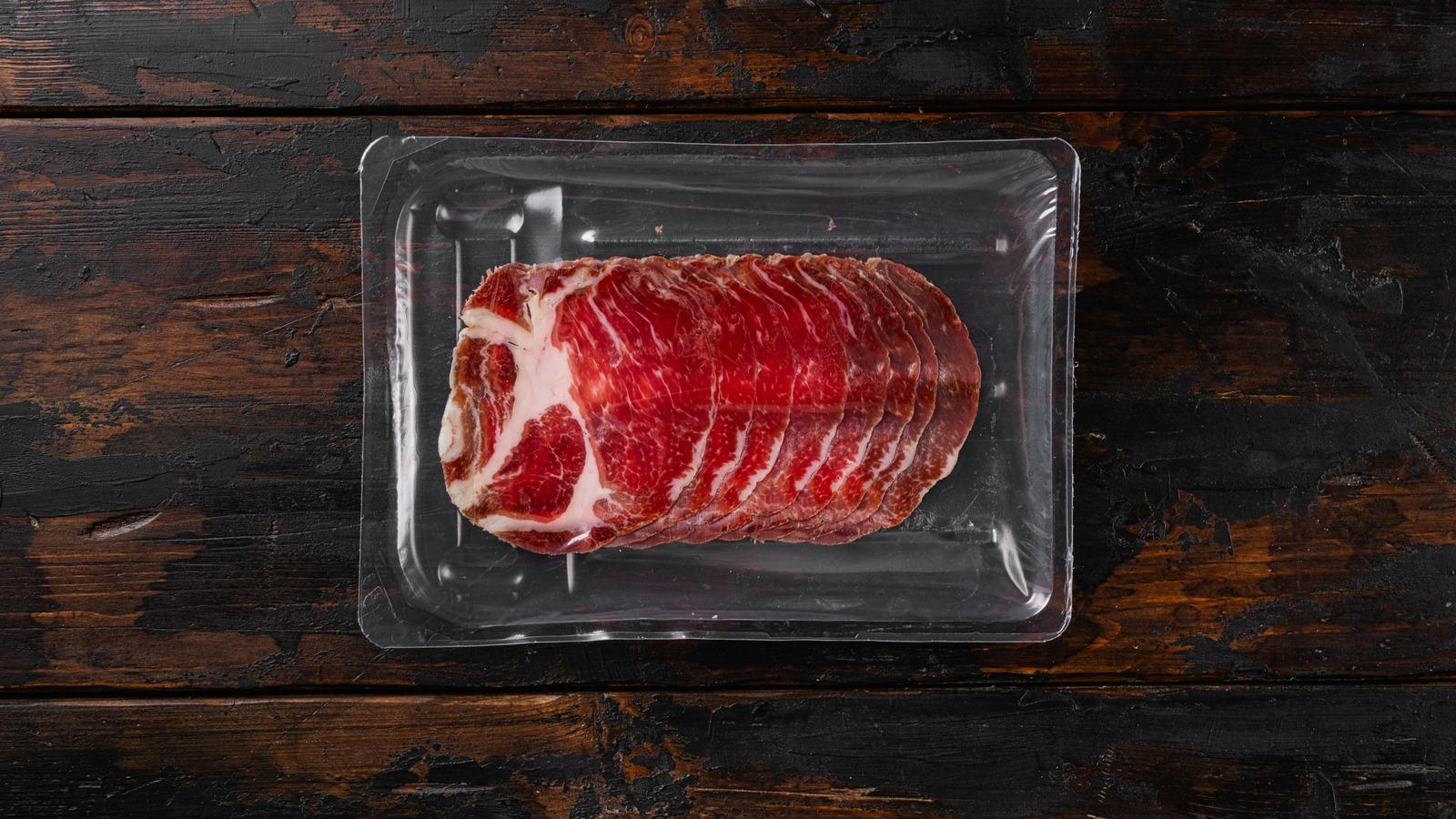
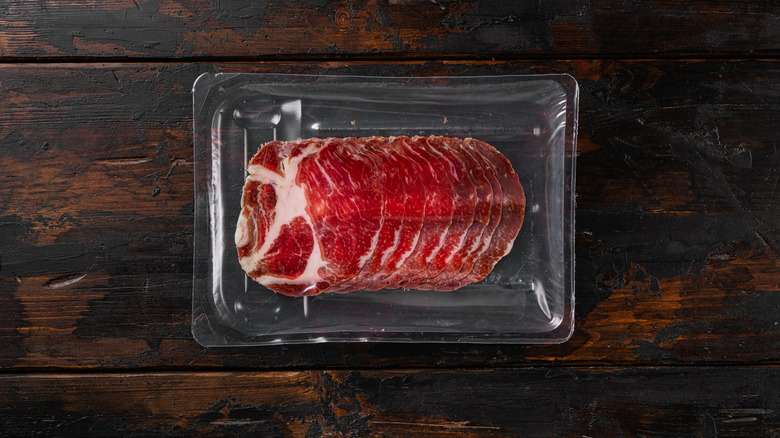
Imagine you're scouring the store for your favorite deli meat brand only to reach for some sliced turkey or ham and find bloated package after bloated package. Your first inclination may be to pass on the meat this week. After all, surely a swollen package is a sign of something nefarious, right? It's possible, but bloated deli meat packaging can also be benign. While sometimes the result of spoilage, bloating can also be due to a simple manufacturing process that actually keeps meat fresh.
Some companies use a method called modified atmosphere packaging (MAP), which involves pumping packages with gasses such as carbon dioxide and nitrogen. The process actually prevents premature spoilage by slowing the growth of bacteria. So, swollen packages are sometimes the opposite of a meat department red flag. While MAP causes bloating, it in no way indicates the meat is bad.
Bloating is not always a result of MAP. When food is exposed to oxygen, it begins to spoil and subsequently releases gasses that cause packages to swell. To determine whether bloating is due to spoilage or MAP, look at all packages from the same brand. If they're all bloated, it's probably just part of the manufacturing process. However, if one or two packages are randomly bloated, pick a different package.
How else can you tell if bloating is due to spoilage?
PJ McDonnell/Shutterstock
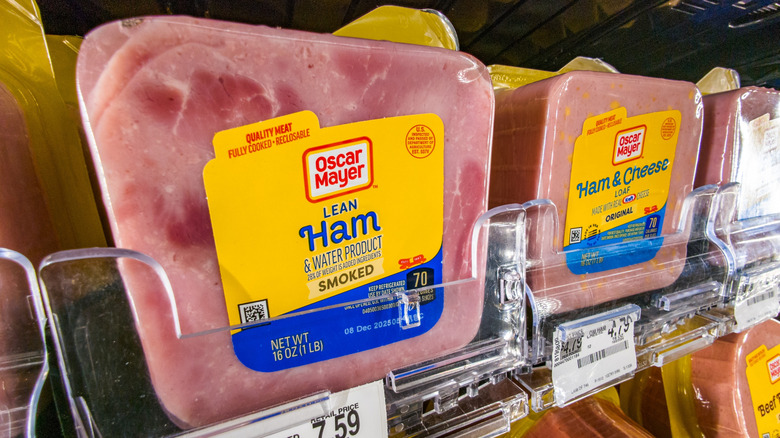
In addition to examining nearby packages, there are other means of differentiating between MAP and spoilage. Check for other signs your food has gone bad. A cool temperature is important to keep meat fresh. While you're unlikely to be able to take out a thermometer in the middle of the grocery store, you can check for external signs of a suboptimal temperature. If you notice condensation on meat packages, the grocery store fridge may be too warm to keep your meat safe.
It's always worth it to examine any packaging to be sure the meat inside is safe to eat. In addition to the obvious – checking the expiration date – watch out for some telltale signs of spoilage. First, the package should be completely sealed with no punctures or tears. Avoid wet, sticky packaging as this is a sign of leakage.
Check out the meat inside as best you can. If you notice a rancid smell, it's best to pass on this package. If the color seems off or if you notice a viscous texture, this is also a sign your meat's past its prime.

 English
 Arabic
 French
 Spanish
 Portuguese
 Deutsch
 Turkish
 Dutch
Dutch
 Italiano
 Russian
 Romaian
 Greek
Greek