


Max Zafiro/Shutterstock
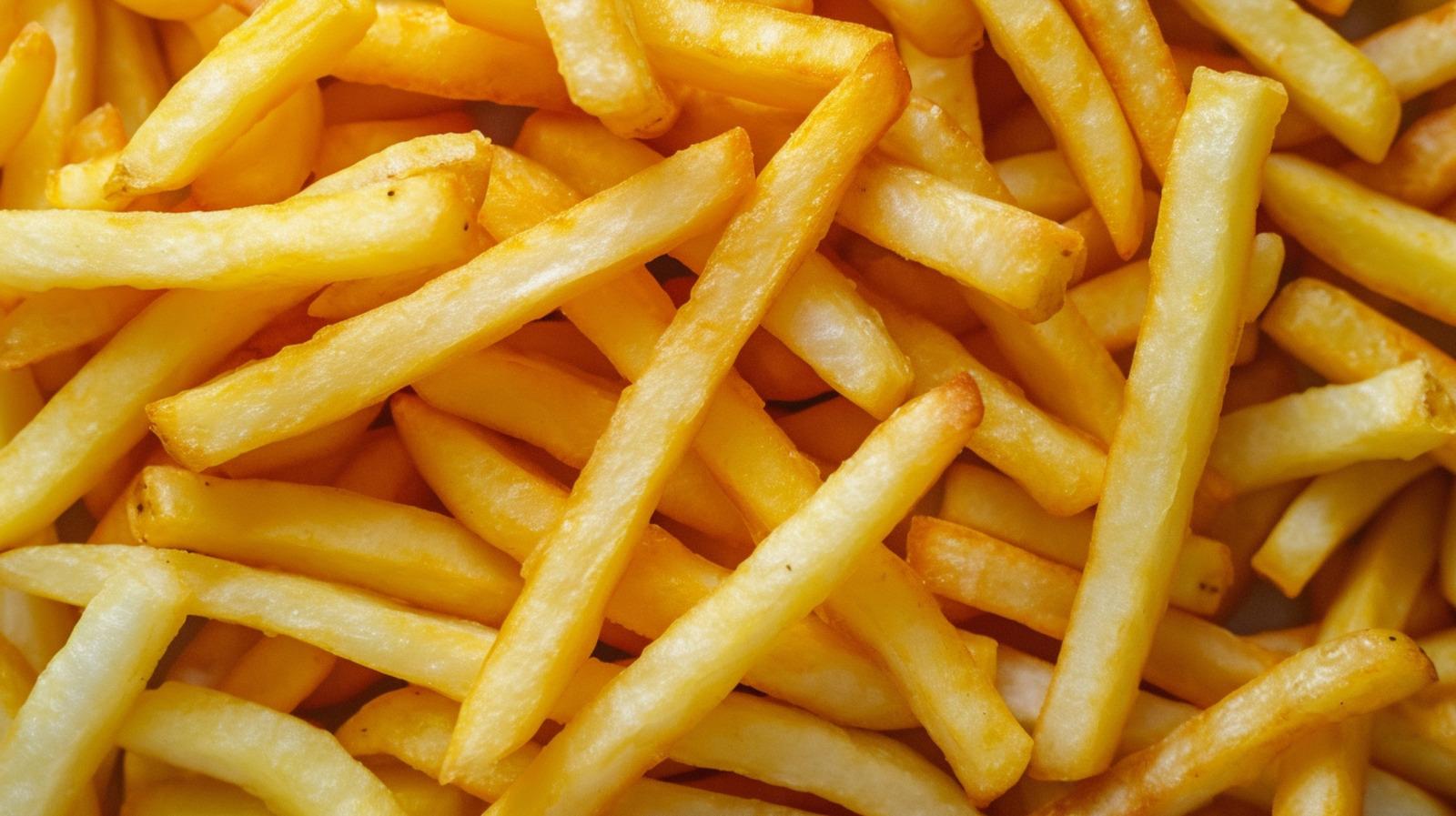
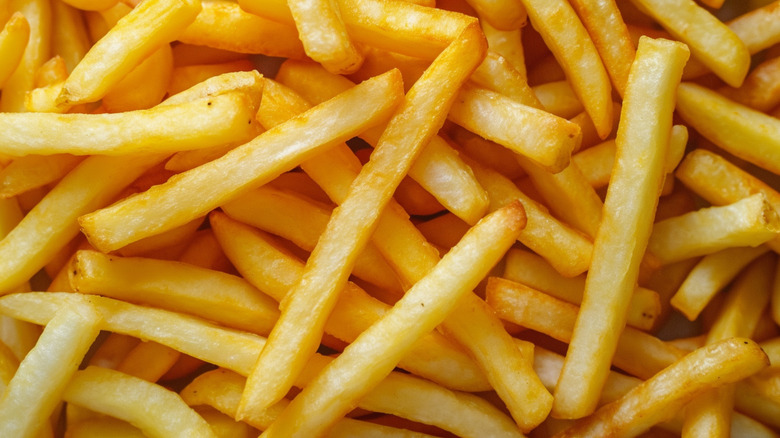
Burgers and sandwiches are nice and everything, but everyone knows that the main attractions in the fast food world are the fries. If a chain can conquer the mysteries of producing high-quality fries that make customers swoon and swear their devotion, it can pretty much guarantee return business on a regular basis. And there is no shortage of fast food restaurants vying for that kind of loyalty, serving up a slew of fries like bait on a hook.
The culinary conundrum is that every restaurant has its own concept of what constitutes quality fries. Regardless of taste and texture, using quality potatoes, engaging in thoughtful preparation, and frying in the right oil all contribute to the overall profile. The finished fries end up tasting fresher and more homemade than the fries at restaurants where quantity is a greater focus than quality.
There's nothing wrong with loving fries that don't rate as a high-quality offering, of course. But in case you were wondering how your favorite fast food fries stack up, or if you're looking to upgrade from substandard fries to something more substantial, these chains all strive for a more premium process for making their fries into food worthy of a fervent fan following.
Five Guys
The fries at Five Guys are as flavorful and freshly made as the burgers. The company shows off its process on the website, explaining that the potatoes are cut fresh and fried not once, but twice in peanut oil for rich flavor. There's also a bit of potato skin left on each strip, providing extra texture that feels like a bonus — beyond the extra fries you get in the bag, that is.
Five Guys calls its fries format "boardwalk-style" on its website, which refers to the double-dip peanut oil fryer bath every order goes through. This allows the interiors of the fries to stay tender, almost a mashed potato texture, while the exteriors become firm and crispy.
For visitors whose palates desire an even crisper texture, the secret to getting perfectly crispy fries from Five Guys is requesting your order to be extra well-done. Yes, you can take these already high-quality fast-food fries and tailor them to suit your appetite with a simple request.
Smashburger
Smashburger takes a somewhat artisan approach to providing Smashfries for its patrons. Part of the secret lies in using real Russet potatoes, preferable for making fries due to the combination of starches and sugars, plus the balance of solids to liquids. It's the pick of the potato pros who know how to conjure up fantastic fries, and Smashburger doesn't sleep on the added quality Russets provide.
Once these tasty taters get the fry treatment in a canola oil and tallow blend, they receive a shake-over with a savory combination of garlic, olive oil, and rosemary for a distinctive gourmet flavor. It's an extra step in the process that makes the finished fries feel more handmade than what you'd get at a fast food chain that takes its fries less seriously.
Smashburger also offers Scorchin' Hot Fries, a version that comes coated in Nashville hot seasoning and served with ranch dressing. This twist on the original fries came as part of the revamped menu, which the fast food chain chain launched in 2025.
Sonic Drive-In
Sonic ditched its old-school fries and did a tasty zigzag with brand new crinkle cut Groovy Fries in 2024. It was a unique shift for a fast food chain where customers seem to favor tots over fries in general. The aim was to give the fries more dip-grip by using crinkle cut instead of the usual shoestring fries.
This was the first time in 10 years that the drive-in dining enterprise had shifted gears with its fries options, and it was a full-on replacement — none of the old-fashioned fries left hanging around for long-timers to enjoy. The idea was to make a fry that was as tempting as the chain's popular tots, which have become a trademark side dish for its burgers and dogs. Underlying that impulse: The knowledge that better fries means more sides sold, and more money for Sonic's bottom line.
The change worked, with Mashed reviewer Sam Skopp declaring that Sonic fries have gotten a solid upgrade. What makes these fries a high-quality choice is the crispy exterior and plentiful seasoning that add spark to the natural potato taste. The fries were introduced with Groovy Sauce, a dipper that blends ranch dressing with sriracha fire, though the new crinkle-cut fries are plenty tasty on their own. They can also be ordered as Groovy Cheese Fries and Groovy Chili Fries for a side that feels more like a full meal.
Wendy's
Smith Collection/gado/Getty Images
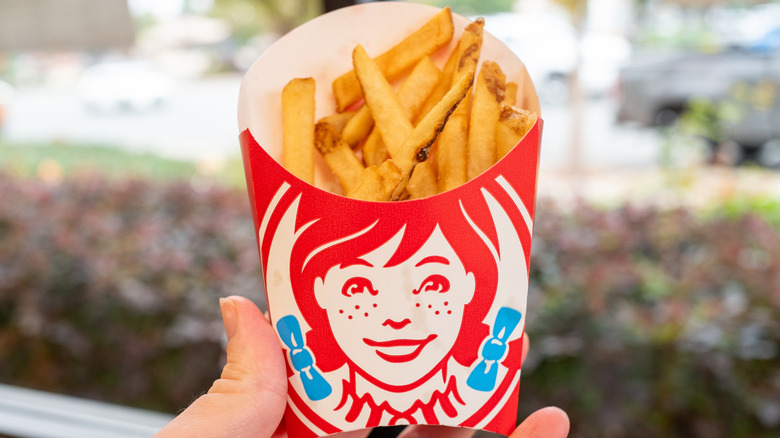
Those of us who were fans of Wendy's traditional fries were taken aback when the company decided to shake things up with a whole new formula in 2021. The end result turned out to be skin-on fries that hold their crunch better and provide improved texture. The real reason Wendy's decided to revamp its fries was that the V.P. of Culinary Innovation, John Li, felt the potato crisps could deliver more enjoyment. He and his crack team set about finding the perfect fry to rejuvenate the Wendy's side menu.
It was no simple feat for the long-time fast-food channel to reinvent its fry game. The House of Dave spent three years reconfiguring its long-held process to come up with something corporate leaders believed would be an improvement. The process involved testing 20 different variations on the cut and shape of the fry before settling on a winner.
The result was skin-on Hot & Crispy Fries, a natural-cut strip with a delicate batter coating. The chain kicked off its new fry game with a give-away that put the goods in as many hands as possible to establish a new baseline. Even the long-time lovers of Wendy's original fries have to admit it's a tasty upgrade.
KFC
Anyone who's ever opted for fries as a side dish at KFC knows how flavorful the potato strips at the Colonel's place are. What you may not realize is that the same secret seasoning blend found in the chain's fried chicken dishes is also used in its fry-making enterprise. The sneaky double-up of the beloved 11 herbs and spices that make the chain so popular lends balance to a chicken-and-fries combo.
The frying oil used by KFC is a low-linolenic soybean oil, which studies have shown can result in a significantly lower trans fats intake over partially hydrogenated soybean oil. This creates a healthier version of fries, though of course they're still a dish to be eaten in moderation. The recommendation by the World Health Organization for trans fat intake is a mere 2.2 grams per day in a 2000-calorie diet. KFC was among the first wave of fast-food providers to bring that number down to zero grams in its fried foods, including its ever-popular fries.
The shift was prompted by a 2006 lawsuit brought by a doctor who was unaware that KFC's chicken included trans fats. The suit was dropped when the chain agreed to change to better oil, resulting in higher quality fries for everyone.
Pal's Sudden Service
Tennessee fast-food chain Pal's Sudden Service is a fan favorite where the fries are every bit as important as the main dishes. The company has been named best fast food in the state, beating out much bigger national competitors like In-N-Out Burger, Whataburger, and Culver's. A key reason is the fries, which your order taker will read back to you as "Frenchie" fries — the listing on the menu — no matter how you ask for them. An outlet that treats its fries as a fun food rather than just another add-on speaks volumes about its dedication to customer enjoyment.
It's not just the fun name, either. These simple fries are peak fast food goodness, given just a shake of Pal's seasoned salt; no other adornment is necessary. They're a custom-made accent to the restaurant's easy-going burgers and dogs, though they're also a fabulous treat all on their own. They've also been called some of the fast food world's most delicious fries, "the absolute best" (via Facebook), and "great fast food fries" (via TikTok) — high praise considering how many options exist.
Dick's Drive-in
At Dick's Drive-in, coming up with high-quality fries is a non-negotiable aspect of running a proper fast food outlet. The chain keeps things clean and simple, using only Washington potatoes, sea salt, and two passes in sunflower oil. By stripping both the ingredients and the process down to the bare essentials, this fast food chain has brought delicious elegance back to the art of the fry. They're also hand-cut daily for a more natural feel than fries processed through a machine — an added touch of quality some other outlets don't offer.
How essential are fantastic fries to the Dick's Drive-in operation? So essential that when the chain's first location opened in 1954, there was a separate line for each of the item types – burgers, shakes, and fries. This made it easy for fans of fries to avoid the wait when their tater-loving appetites were in full gear. The chain eventually merged all lines into a traditional all-items-one-line model, but imagine how magical it must have been to have a dedicated fry line.
Dick's Drive-in fries aren't just delicious, they're also peanut allergy friendly. The listing on the company website also alerts sensitive eaters to the fact that the fries are not processed in a plant that processes peanuts. The fries turn out to be a throw-back to the diner days rather than just another player in the fast food world — a major attraction for eaters who enjoy a purer take on fries.
Lion's Choice
Natural-cut fries that eliminate everything but the essentials are the perfect complement to the sandwiches at Lion's Choice, a long time St. Louis fast food chain that knows how to satisfy its customers. These potatoes go through a three-step process to become delicious fries: brined, or soaked in salty liquid to improve crispness; blanched, to make sure the flavor is locked in tightly; and flash-fried to ensure every fry achieves maximum crispness. The chain is so proud of this procedure, it prints the steps on its fry cups.
If you're a fry maximalist, Lion's Choice has added loaded fries, called "trashed" in the company's lingo (via YouTube). You can find chili cheese, chipotle bacon cheddar, and Italian beef trashed fries, all with the original fries used as a base. They're the perfect compromise when you can't decide between the eatery's deli-style sandwiches but you know fries are bound to be part of your order.
Arby's
There was a time when Arby's was known for having potato cakes as part of its menu, a unique offering that made it a stand-out chain. Then, in 1988, curly fries were added to the menu, and Arby's entered the fries competition with serious heat. In this twist on the familiar fast-food fry, coiled potato curls partially cooked in trans fat-free oil and frozen before being fried at the restaurant gave customers a new shape and texture to appreciate. Others have followed suit, but although Arby's didn't invent curly fries, it retains its place as one of the premier curly fry restaurants.
Since there are plenty of Arby's locations that require curly fries (over 125 million pounds are cooked each year), preparing the fries ahead of time is a must. A YouTube video from Unwrapped on Food Network shows the process, where tons of potatoes are washed, strained, and separated by size until they reach a cutter. Potatoes traveling at 60 miles per hour hit a spinning knife blade, and voila — corkscrew fries. Blanching the potatoes in hot water for 20 minutes kills enzymes and establishes the texture. From there, they become batter-coated and get partially fried in zero trans-fat oil.
Jack in the Box
Jack in the Box hasn't always used low trans-fat high-oleic canola oil in its fryers, but when it made the switch in 2008, the chain's fries got a bit of a health boost. That's not to say Jack's fries are fitness food, but it does mean the quality of the fries you grab is higher than it once was. And to make sure you get fries that taste like fries instead of tacos or chicken strips, Jack in the Box locations use a dedicated french fry fryer. That's a strategic move that lets customers develop a taste specifically for the company's fries rather than just for its fried foods in general.
The chain offers both seasoned curly fries and regular fries to keep up with the competition. Not content to let its fries be judged as being basic, Jack also introduces alternatives like BBQ Potato Chip flavor and Chili Crisp to take the standard spiral fries into new taste territory. You can also order Halfsies, a combination of curly and regular that helps you make the decision between the two.
Shake Shack
Smith Collection/gado/Getty Images
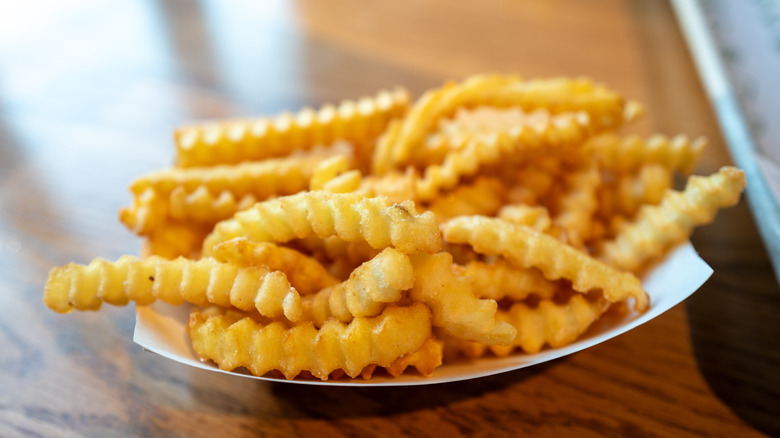
For those who haven't heard, the untold truth of Shake Shack's fries is that the restaurant keeps its zig-zag crinkle fries due to customer popularity, though it does happen to be a frozen fry. It's a great shape for picking up dippers beyond the usual ketchup or mayo, and it's an easy way to keep the fries flowing. Thanks to a specialized freezing process, the centers are soft and fluffy while the outer edges are dependably crisp.
The chain didn't always serve its trademark crinkle-cut fries, though. When CEO Randy Garutti realized he was skipping the fries as part of his order, he knew a change was needed. A 2013 shift to a fresher fry aligned with the company's ethos and felt like a logical change, though it was one that customers didn't appreciate. After a drop in sales, Garutti brought back the crinkle cut fry, but requested a more natural version from the vendor, one without artificial ingredients. That's the upgraded Shake Shack fry you enjoy today.
Checkers & Rally's
Few fast food restaurant chains end up with fries so famous, they become a freezer section favorite in the grocery store. But Checkers & Rally's have been serving up these super-crispy potato strips for long enough to develop a reputation for satisfaction powerful enough to demand a home version. It's a testament to the quality of a special recipe that no other outlet has been able to match, making this formulation one of a kind.
Why are Checkers & Rally's fries so delicious? A batter loaded with a proprietary blend of 15 spices and seasonings is the semi-secret ingredient. It's added to thicker-than-shoestring fries, a cut that holds the batter and provides more flavor and potato goodness per bite. With the heat held in by the crispy sheath, you get fries that deliver perfect temperature and incredible taste. The frozen version replicates the formula, though the finished quality naturally depends on how the home cook prepares them. However they turn out, they're a step up from regular fries.
How I chose these chains
Jag_cz/Getty Images
I started by researching the quality of ingredients used by each fast food chain, looking for spots that use premium potatoes, incorporate seasoning and coatings, and select their oils thoughtfully. Not every fast food chain calls out what types of potatoes and oil they use, but the companies that know the difference these elements make often list them on their websites as a reassurance to customers. It doesn't always promise a prime french fry experience, but it's a bit more likely.
I also examined the presentation of the fries, such as crinkle versus matchstick and skin-on versus skin-off. These aspects can deliver a better texture and a heartier flavor, depending on how well they're executed. And since freshness and frequency of cooking are key to the overall wholesomeness of the fries served, I sought out restaurants that take special measures to create pre-made fries carefully crafted for future cooking and checked into places where the fries are batched throughout the day rather than being left in the fryer and served as a greasy mess.

 English
 Arabic
 French
 Spanish
 Portuguese
 Turkish
 Dutch
Dutch
 Italiano
 Russian
 Romaian
 Portuguese (Brazil)
 Greek
Greek