


Diablo 4 has been outgunned by Path of Exile 2 and Last Epoch. Lord of Hatred proves Blizzard wants to catch up.
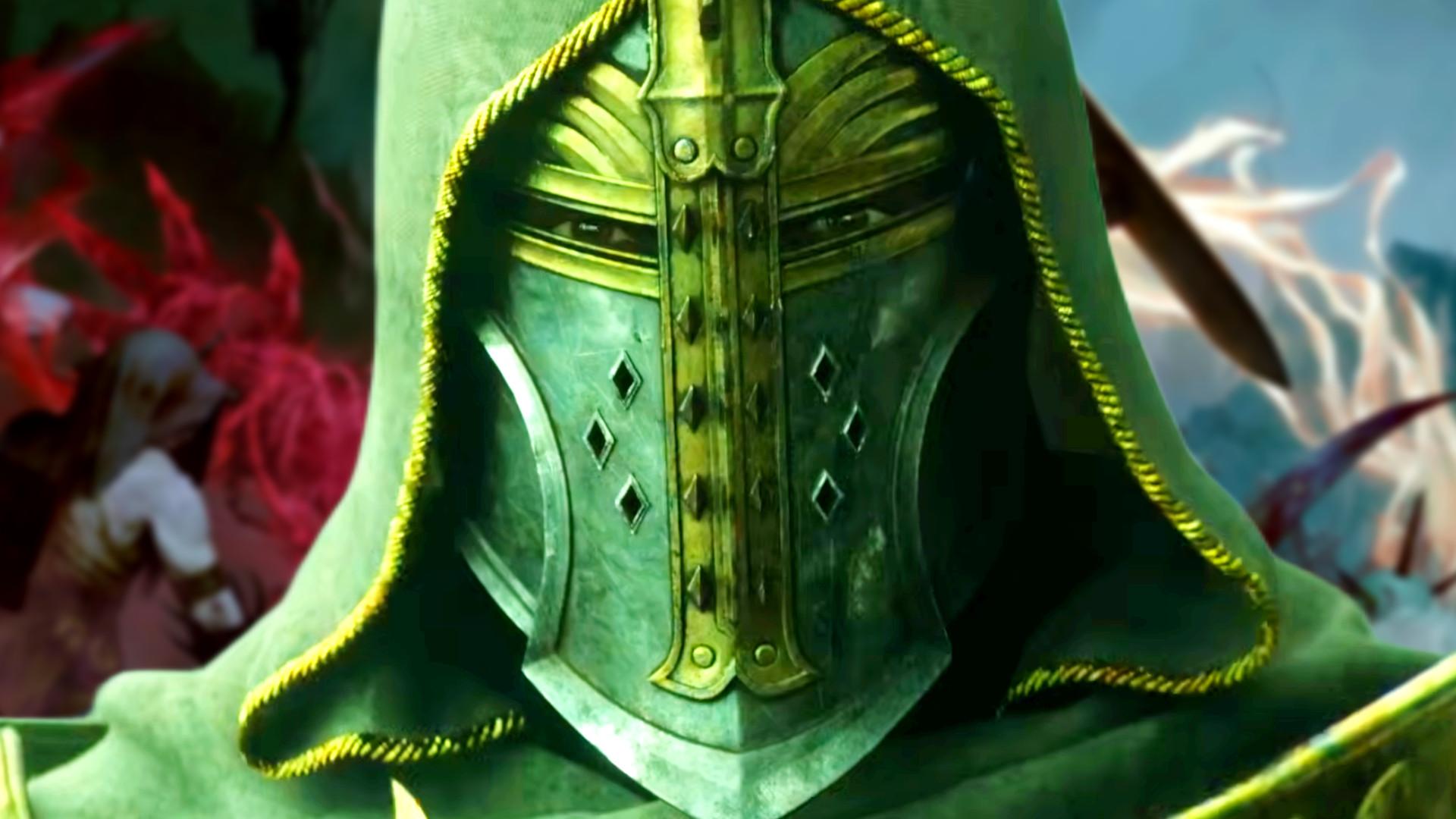
Diablo 4 has been outgunned by Path of Exile 2 and Last Epoch. Lord of Hatred proves Blizzard wants to catch up.
Diablo 4 will never be Path of Exile 2, and I wouldn't want it to be. All of the major ARPGs bring something different to the table right now, and that variety has kept me cycling between them. Blizzard's offering has fallen gradually further behind its rivals, however, feeling like more of a time-waster each season as core quality-of-life features offered by PoE and Last Epoch fail to appear. Diablo's 30th anniversary spotlight, where Blizzard unveiled more of the overhauls coming with the Diablo 4 Lord of Hatred expansion (alongside the even bigger surprise of new Diablo 2 Resurrected DLC, Reign of the Warlock), shows a marked effort from the developer to catch back up to the pack.
Diablo 4 has long held onto the spot as the approachable and beginner-friendly face of the action RPG space. Die-hards will often tell you that Path of Exile boasts far more depth, customization, and rewarding buildcrafting, plus a full decade of expansions and updates behind it - and all with the note that you can play it for free. They're correct, but that's not for everyone. As someone who plays both, I often appreciate the more pick-up-and-play feel of Diablo 4, which shows you everything a season has to offer in a reasonable time frame.
New offerings such as the more accessible Path of Exile 2 and Last Epoch have proven tremendously popular in recent years, however, and opinions are shifting. Increasingly, I've seen the type of time-limited player who might have been enthused about Diablo 4 in the past tell their friends to try PoE 2. While Blizzard offers a limited endgame with seasonal activities that all feel like different sauces on the same pie, Grinding Gear Games is cooking up completely new meals with each update, creating much more dramatic shifts in what options you have at your fingertips.
It's the same story with features such as loot filters. They've been one of the biggest requests since day one, yet Blizzard has long maintained that it would rather design Diablo 4 so that such a tool wasn't necessary. The result is a game that feels like it's throwing my time down the drain whenever I peer through 30 items only to realize none of them are actually useful. This happens a lot. By comparison, Path of Exile 2 and Last Epoch neatly color and label drops to my preference as they match the stats and bonuses I'm hunting for, ensuring everything I look at has a good chance to be something I might use.
Enter the new Diablo 4 loot filter, front and center of Lord of Hatred's quality-of-life upgrades, and it looks better than I expected. In fact, its in-game implementation, complete with a wide range of specific conditions and modifiers, is very reminiscent of Last Epoch's design, which I consider the best blend of user-friendliness and functionality I've encountered. Blizzard has stripped away the need to salvage trash loot for crafting purposes, so you can leave all the junk behind, now neatly hidden from view, and it promises to evolve the system further as feedback comes in. It's even been inserted into Diablo 2 Resurrected, along with all-new, stacking stash tabs.
Then we have the new endgame system, War Plans. This lets you choose your direction through a suite of individual 'activity trees' that alter how each of the different endgame modes play out. It's immediately reminiscent of Path of Exile's Atlas, a beloved mechanic that gives you a way to hone in on what you enjoy doing most, along with how you want to approach it. Perhaps that's just swapping out unwanted rewards for those you care about, or maybe you want to spice up nightmare dungeons by having the 'uber' lair bosses randomly invade (complete with their unique loot tables). It makes the endgame experience yours, and immediately adds some flavor to D4's previously milquetoast roster of tasks.
Skill trees have been expanded, too; not so far as to drive away the casual players who only have a couple of hours a week, but enough to provide more real depth and variety through considered trade-offs, rather than simple this-or-that upgrades. Blizzard has even dipped into its own past, introducing variant ability versions that transform them in ways reminiscent of Diablo 3's skill runes. Speaking of D3, the Horadric Cube also makes a return, granting us a fresh approach to deterministic crafting. Diablo 2's charms are back, and have their own slot to reduce inventory clutter (much like Last Epoch's totems). All of these little things start to add up into something resembling real, meaningful change.

On the aesthetic side, the ancient Mediterranean-inspired land of Skovos remembers that dark fantasy doesn't always have to look grim and bleak at all times. I'll give Vessel of Hatred some credit here for the lush jungles of Nahantu, but after spending time with the glorious Greek landscapes of Titan Quest 2, it's great to see some more bright and beautiful parts of Sanctuary. Even if they will inevitably face untold horrors in no time.
Game director Brent Gibson remarks, "Endgame isn't just a bonus - it's what keeps you coming back to Sanctuary." At times, it's been tough to tell whether Blizzard actually believed in that, but these changes feel like a statement that it's ready to take that stance. Associate game director Zaven Haroutinian adds, "It's more than just events - we want these features to feel meaningful."
I hope Blizzard has taken these words to heart. As I said at the start, I don't need Diablo 4 to become something it's not; I just want it to be the best version of the thing it's trying to be. We've seen World of Warcraft learn from Final Fantasy 14 and grow better as a result, and now it's Diablo's turn to do the same. The good news is that all of these improvements feel like important steps in that direction. The real test will be meted out when Lord of Hatred arrives on Tuesday April 28.

 English
 French
 Spanish
 Portuguese
 Deutsch
 Turkish
 Dutch
Dutch
 Italiano
 Russian
 Romaian
 Portuguese (Brazil)
 Greek
Greek