


Nishihama/Shutterstock
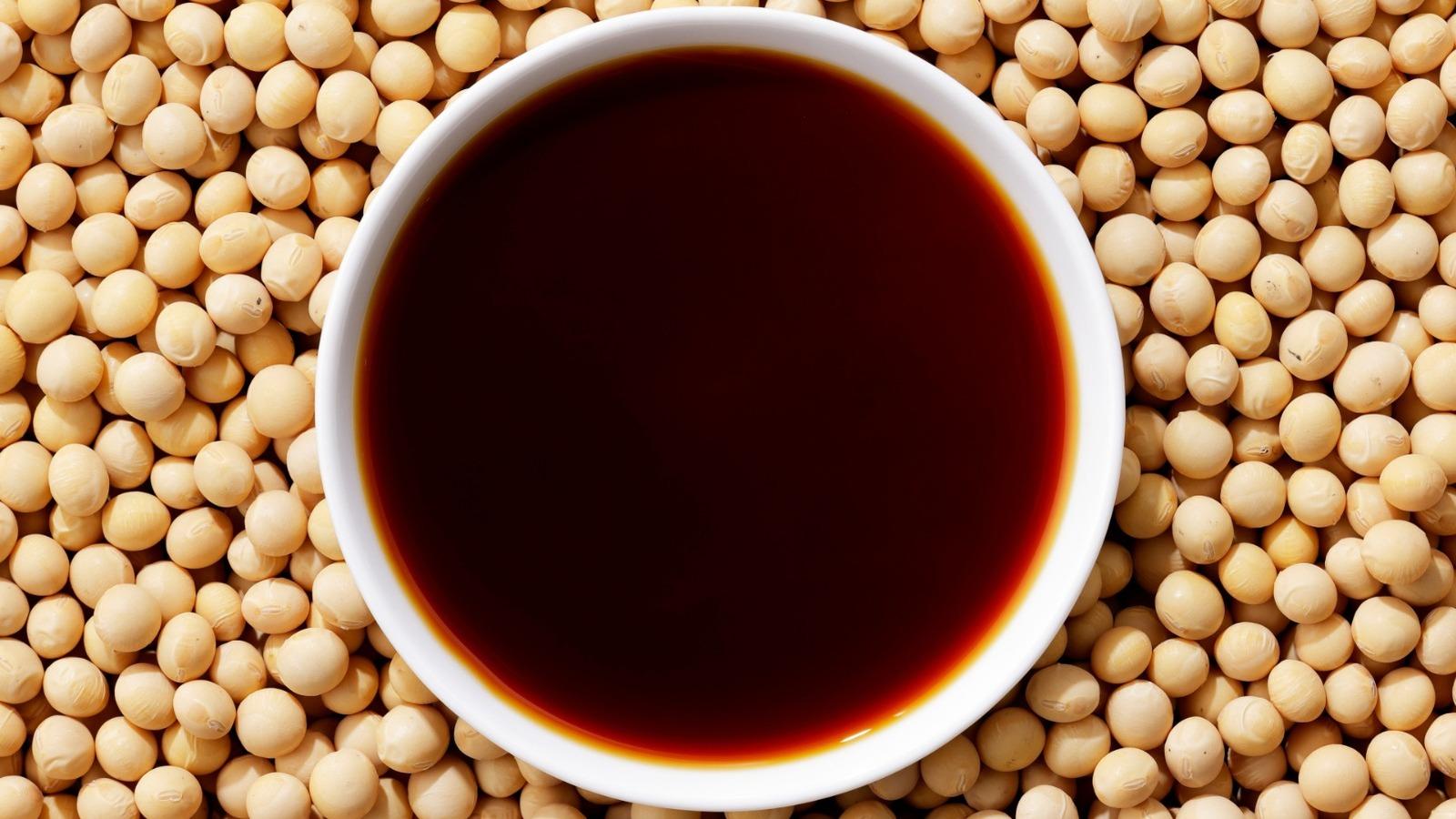
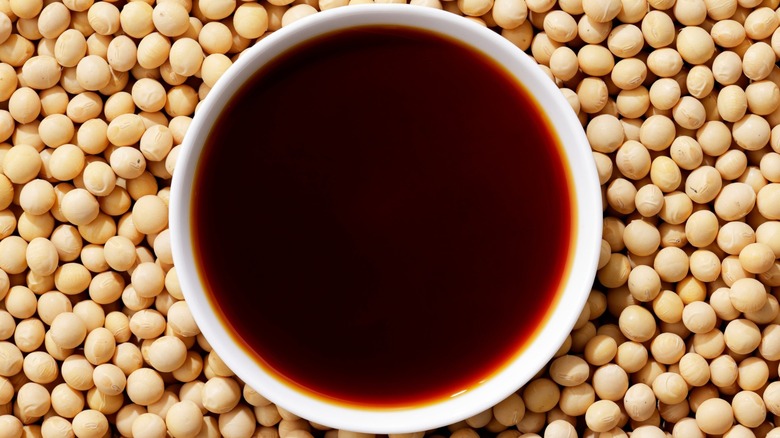
Soy sauce is a pantry staple found in nearly every kitchen nowadays. But before you pour it into your next marinade or stir-fry, you should know that there's a less salty substitute that's uncannily similar: tamari.
First, here's what you need to know about soy sauce. It's made from water, soybeans, salt, and a grain (it's usually wheat, but it can be made with rice instead). The beans and grains are cooked down into a paste, then fermented with Aspergillus oryzae or sojae (a mold called koji). United with a salty brine and left to ferment further, the culture can turn into soy sauce in a matter of days or months, depending on how it's produced.
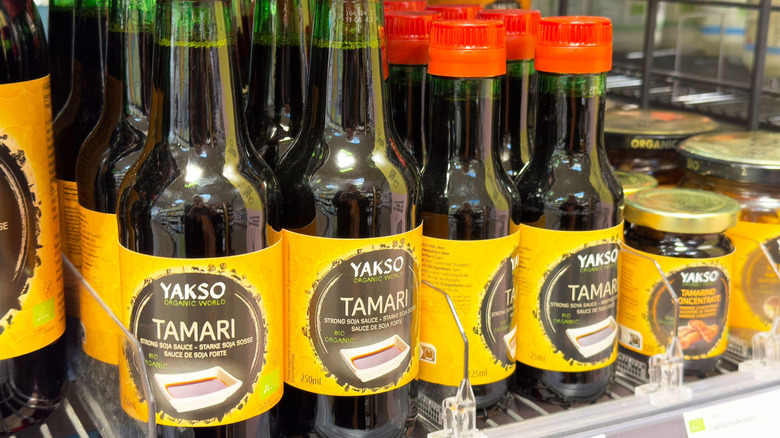
Tamari, on the other hand, is made from soybeans, water, salt, and koji, but no grain, making it gluten-free. (Some manufacturers do use a small dose of wheat, so read the label before you buy.) It's similar in color to soy sauce and boasts a savory, umami-rich flavor that's less salty. Still, both sauces are high in sodium and fairly matched nutritionally.
While it's a great one-for-one substitute for soy sauce, there are also key differences between the two. Tamari is more time-consuming to produce, so it's typically more expensive than soy sauce. Due to its longer fermentation process, it's darker in color and slightly thicker in consistency. This also gives the soy and salt more time to meld and mellow, resulting in a smoother flavor that's less intensely salty.
Ingredients to use instead of soy sauce
HelgaQ/Shutterstock
There are many substitutes for soy sauce, with tamari being the closest. It's commonly made without wheat, making it a solid option for folks with a gluten sensitivity or allergy. But if your guests are allergic to soybeans, you'll need to use something else.
Coconut aminos could work. Made from fermented coconut palm sap and salt, this alternative can be used in equal parts in place of soy sauce. It has a salty edge and umami, but it's a touch sweeter. It's also nearly always vegan and gluten-free. Liquid aminos are similar, but soybeans are the base instead of coconut, and they're not fermented. They tend to have a sweeter profile too, so taste as you cook and add salt if needed to counteract it.
Fish sauce is the next closest equivalent, thanks to its bold, funky flavor. However, it's saltier and more intense-tasting than the O.G., since it's made from fermented fish. So, add a modest amount as you go, rather than replacing the soy sauce in equal parts. Similarly, Worcestershire sauce can be used in place of soy sauce in a pinch, and it delivers a similar funk to fish sauce because it contains anchovies. However, it's a bit more nuanced due to its long ingredient list, which makes it zingy and slightly sweet. You'll want to taste as you go with this substitution instead of adding the full amount at once.

 English
 Arabic
 French
 Spanish
 Portuguese
 Deutsch
 Turkish
 Dutch
Dutch
 Italiano
 Russian
 Portuguese (Brazil)
 Greek
Greek