


Apex Legends devs "respect" the game's Titanfall legacy, but want to "make something that's our own"
Apex Legends devs "respect" the game's Titanfall legacy, but want to "make something that's our own"
When Apex Legends shadow-dropped seven years ago this month, it was a very different game. Its roster of characters, while still more diverse than most FPS games' lineups, was limited to just eight Legends, compared to the 26 to choose from as Season 28 kicks off now in February 2026. It also looked a lot more like Titanfall. While the Apex Games still take place within Respawn's iconic sci-fi universe, things have moved on from the drab military garb of earlier seasons, for better and for worse.
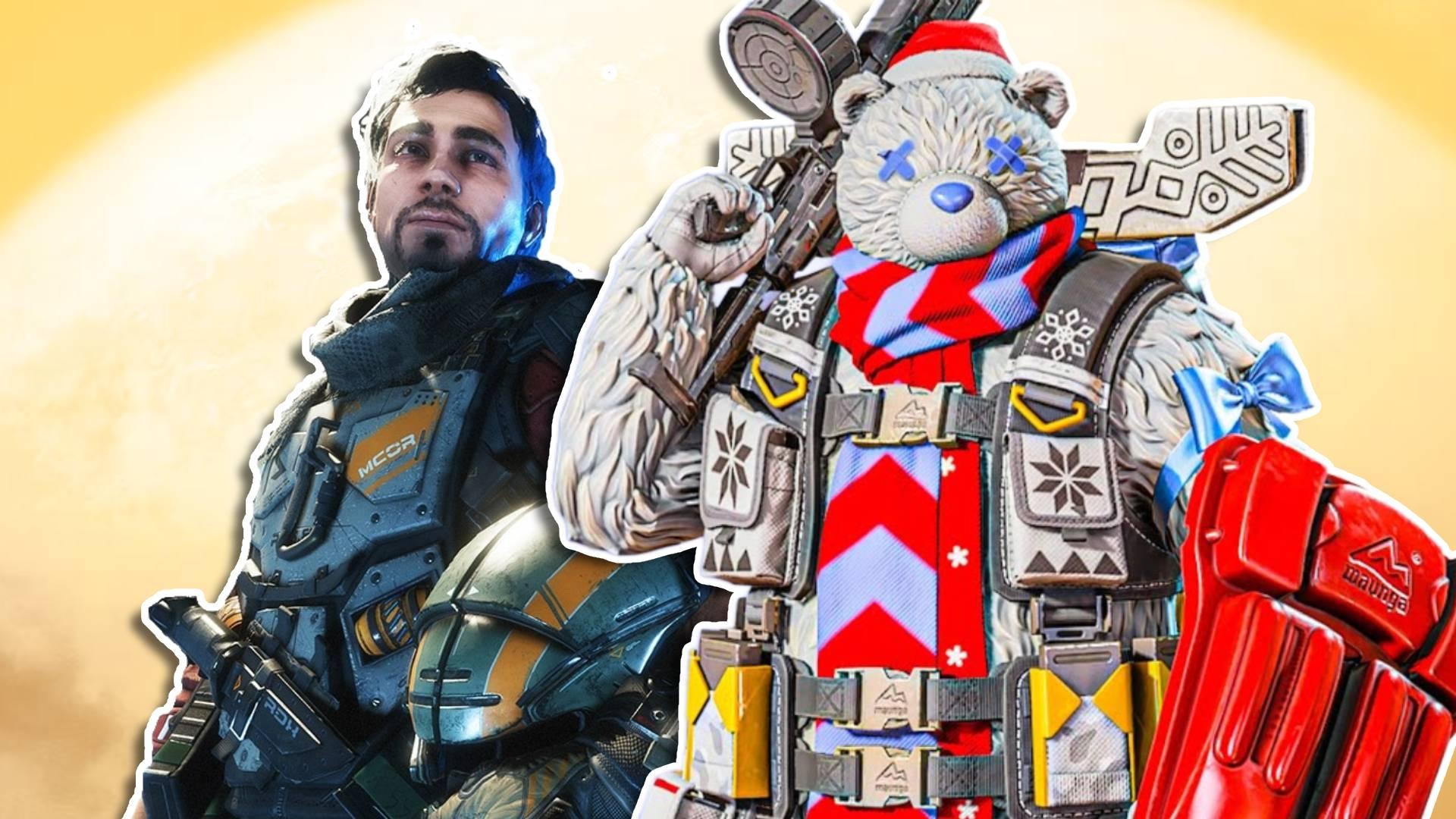
Respawn started out as a splinter of ex-Infinity Ward developers, led by Jason West and the late Vince Zampella. After creating the Call of Duty franchise, the pair brought more of that gritty, grounded FPS juice to the far future with Titanfall, and Apex Legends started off as a faithful homage. However, as the game - and the team developing it - evolved, we got fewer army bases and more One Piece references. The catalyst for leaning into the whimsy? Gibraltar's iconic polar bear skin.

"We started out very Titanfall, very grey and brown, very serious military," says Apex Legends' narrative lead, Ashley Reed, who has worked on the game since before it was released. "It really shook up the studio when we were selling the skins and the Gibraltar polar bear skin blew every other one out of the water. […] There were different schools of thought within the studio at the time. There were the folks who were the original Titanfall people who loved that very serious aesthetic, and then there were the people who wanted to be more goofy and silly."
As you can tell by the game we have today, Team Goofy won. Reed points out the differences between King's Canyon and the slick vibrancy of later maps like Olympus and E-District - "that was never on the cards originally," she says.
However, that's not to say we're getting Cardi B skins any time soon. "When we're designing skins, we try to keep in mind the personality of the Legend," says lead Legend designer Brett Marting. "We haven't always hit it perfectly, but most of the time we do try to keep that in mind when we're picking a skin for a character, or a visual to match with them. We like to hit their personality, otherwise it's going to feel off for the entire immersion of everybody playing the game."

Xander Morgan "always wanted to work for" Infinity Ward and then Respawn, he tells me. That team, and its collective vision of what first-person shooters could and should be, was clearly inspiring for junior developers. Arriving in the Respawn office just four weeks before the pandemic hit and he was forced to work from home, Morgan has held numerous roles within the studio, but currently acts as live operations producer.
Morgan's plan was to "try to just absorb a little bit of the greatness that that team had and still has," and in his six years at the studio has learned to adapt and overcome. It's this adaptation that is so vital for live-service games to thrive and survive, and that has served Respawn so well over the past seven years.
"As a team we're willing to pivot and evolve without losing the core of playing Apex," says Marting. "Apex is a movement shooter, it's a legend-based shooter. Those are always the cornerstones we go back to and it seems like we're creating Legends that resonate with people, they can relate to, and enjoy living with when they play the game."

Reed notes that Apex Legends has adapted to players' changing tastes and to which generation of players it is speaking to. The reception of Gibraltar's polar bear skin signalled that players wanted funnier, goofier skins (and the amount of airtime it receives in ALGS competition shows that this popularity goes all the way to the very top), and Respawn is happy to oblige. But there was also a changing of the guard at the studio, which has allowed the current team more freedom to define the game with its own visual identity, rather than relying on Titanfall references and stylings.
"[Respawn] started out pretty much as Infinity Ward folks," Reed explains, "And even up to Apex it was very heavily Infinity Ward folks. And in the last few years that's changed, the whole landscape of the dev team has changed."

"So it becomes, 'what kind of game do we want to make? What kind of game speaks to the legacy?' Because we very much respect the original folks that were at Respawn - we're pretty much their protégés. They brought us up. So how do we carry forward that legacy but also make something that's our own? Apex has transformed through the people who have worked on it and the people who we're making it for."
With seven years of experience to look back on, the current crop of Respawn developers are clearly committed to doing right by the players as well as the devs who laid the groundwork for one of the most successful games of the past decade and live-service boom. As for the next seven years, who's to say what might happen? Only one thing's for sure: the team's passion has never wavered and doesn't look to any time soon. "We do it because we love the craft," says Morgan. "And we love seeing people enjoy the game." So grab a slice of birthday cake, don your silliest skin, and drop in as hot as you dare.

 English
 Arabic
 French
 Portuguese
 Deutsch
 Turkish
 Dutch
Dutch
 Italiano
 Russian
 Romaian
 Portuguese (Brazil)
 Greek
Greek