


Anastasiya Larionova/Getty Images
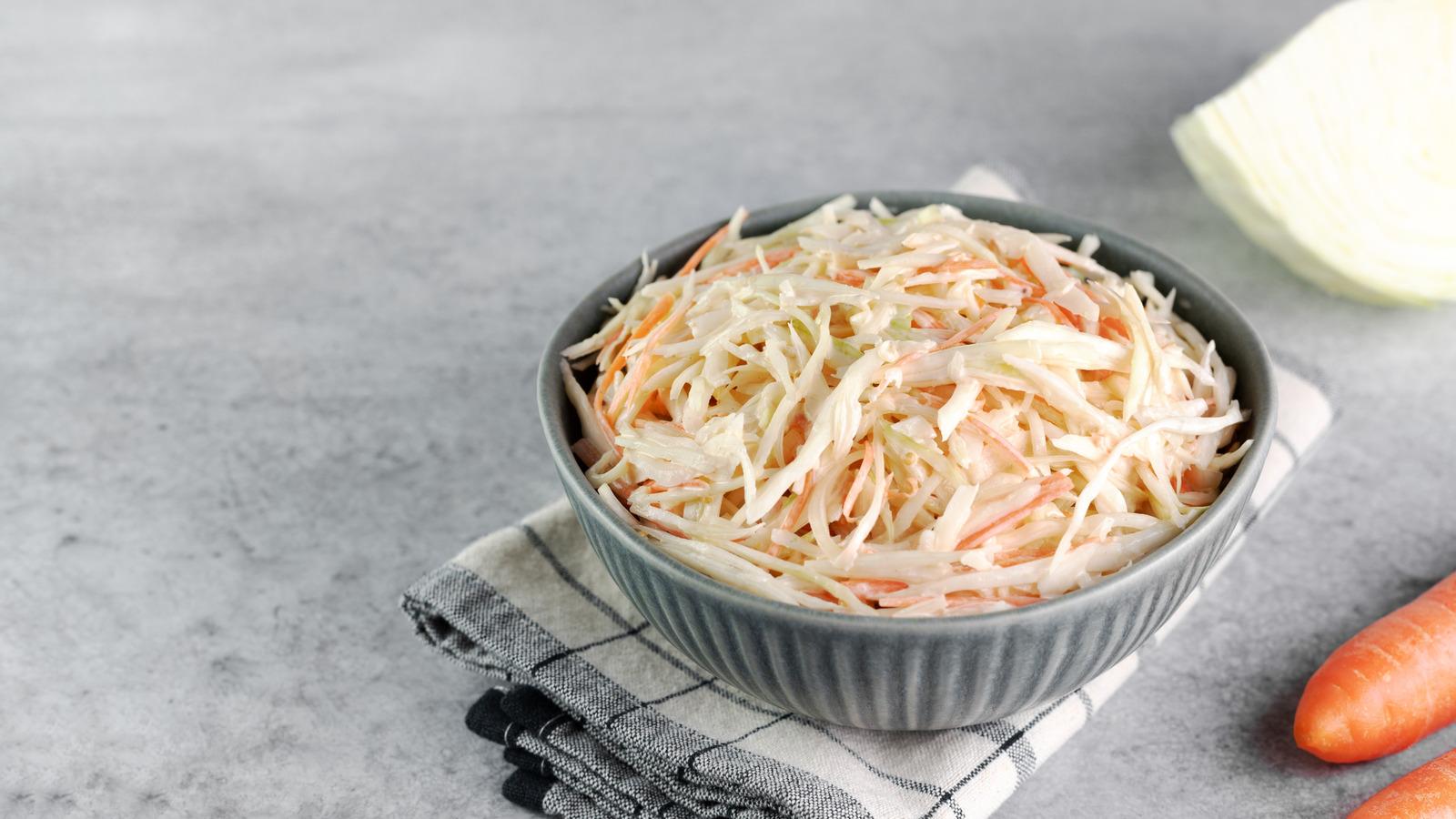
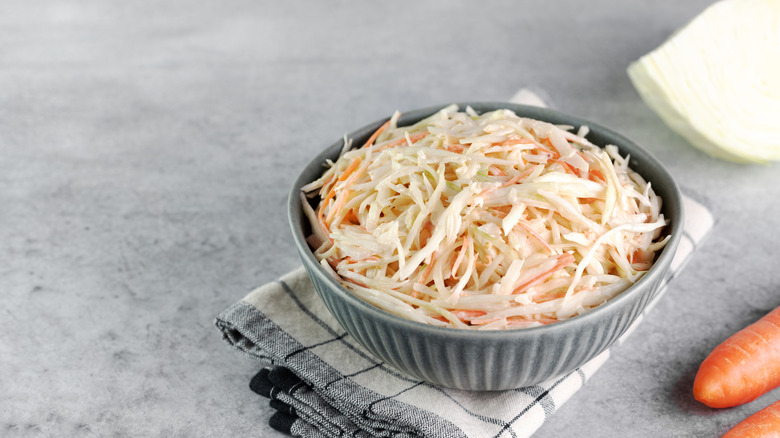
Coleslaw might seem simple — just shred some veggies and mix them in a dressing — but there's more to it than meets the eye. That's why your homemade coleslaw can't beat the restaurant version. Sure, you might run into some basic, boring restaurant versions, but if you're trying to recreate your favorite god-tier slaw, there are all kinds of steps and nuances you might be missing.
To learn the ins and outs, we spoke to four experts: Sally Cameron of A Foodcentric Life, a trained chef and health coach; Rob LaTronica, co-founder of Haven Hot Chicken; Andy McLeod, executive chef of Fleet Landing in Charleston; and Susan Bean, senior research and development chef at The Culinary Edge. Armed with a wealth of experience, they told us some of the differences between restaurant and homemade coleslaw, and some chef tips that home cooks might not know.
Small details make more of a difference than you imagine: The type and quality of the vegetables you choose, the way you slice them, how much dressing you add, and when you add it. The fact is, there's probably not one major thing you're doing wrong with your coleslaw, but several small tweaks you could make to give it a restaurant-quality finish. So if you're wondering why your favorite restaurant's coleslaw is better than your homemade version, you're in the right place to find out.
The vegetables you're using are past their prime
LRDI_Photo/Shutterstock
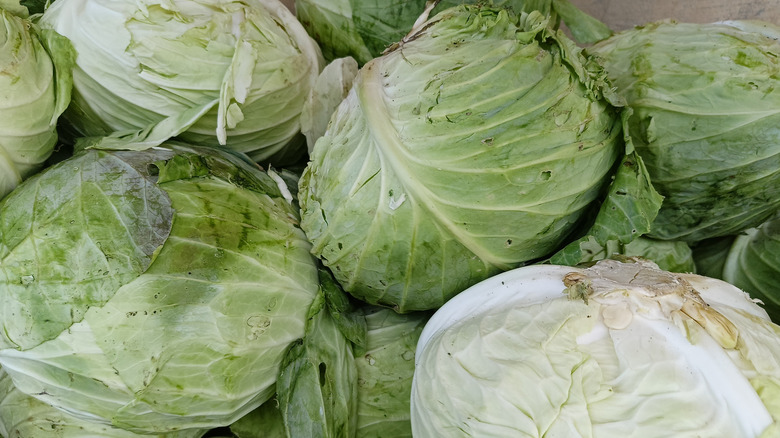
It all starts with the right vegetables. "Fresh ingredients are everything," says Fleet Landing executive chef Andy McLeod. Sure, they've got a rich dressing, but vegetables are still the main ingredients in coleslaw. So if they don't taste good, you're starting from a bad place.
Chefs serve a signature slaw at Fleet Landing, and McLeod notes that the key to its enduring success is the freshness of the vegetables. "As soon as a vegetable is picked, it starts to dehydrate, so sourcing the freshest veggies is step number one to making great slaw at home," says McLeod.
When buying cabbage, look for specimens that are compact and heavy for their size. If they're too light, this could be a sign that it wasn't grown in great soil. Make sure the outer leaves look fresh — if they're visibly wilted, the cabbage isn't optimal. Carrots are also common in coleslaw, and should be firm with a good color to them. Stay away from wilted carrots or ones that have a lot of green on them. For any other vegetables you decide to add to the slaw, use your judgment. When you begin with great veggies, you're more likely to make a good coleslaw.
You don't slice the veggies thinly and evenly
Elenaleonova/Getty Images
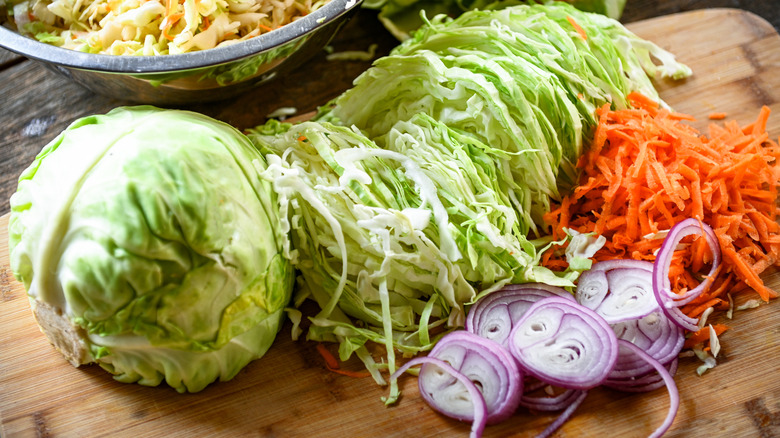
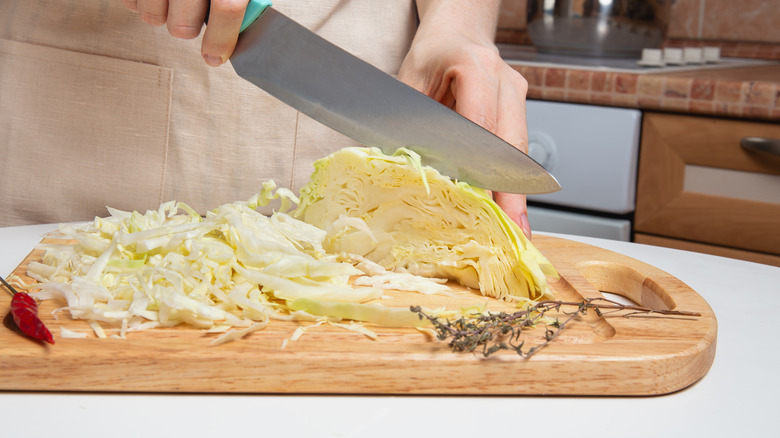
When you're making a traditional coleslaw recipe, a big part of getting the perfect texture is slicing the vegetables thinly and evenly. When you chop the ingredients too coarsely, you'll end up with big mouthfuls of roughage to chomp your way through. This uneven texture can be jarring when you're expecting uniformity.
Haven Hot Chicken's Rob LaTronica and Sally Cameron of A Foodcentric Life both agree that thin, consistently-sized shreds of cabbage make the best coleslaw. Susan Bean from The Culinary Edge notes that "uniform shreds allow for a consistent mouthfeel and even dressing coverage."
With professional equipment and great knife skills, this is something that chefs can usually pull off easily. "Chefs will often mandolin cabbage to evenly and thinly shred their cabbage," explains Bean. You can get the same results at home, but it requires equipment or patience, whichever you have more of. "If you have a food processor with a thin slicing blade, that makes it easy, and if not, just taking your time with a good sharp chef's knife is fine," Cameron says.
Preparing your cabbage and other vegetables properly lays the foundation for a great coleslaw. It might take a little longer to ensure you slice finely and keep the pieces even, but it will change the texture for the better.
You aren't salting and draining the vegetables
Garna Zarina/Shutterstock
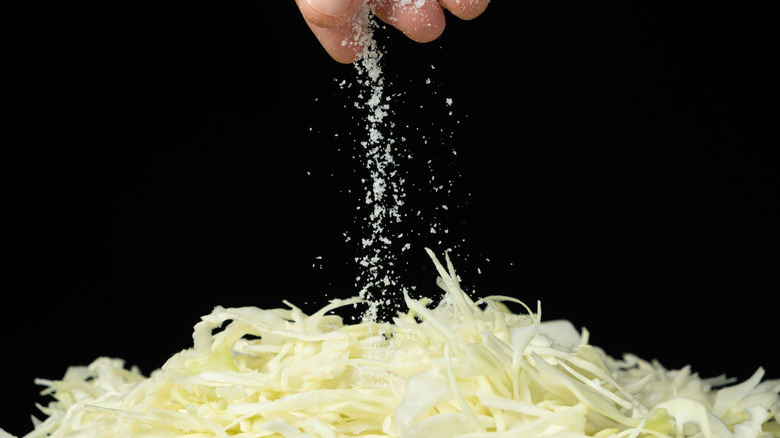
"Salting and draining the cabbage and veggies prior to adding the dressing is my number one tip to prevent watery slaw," says Rob LaTronica. If you've been skipping this step, it might be why your coleslaw isn't up to scratch. If you're wondering why you need to do this and think it sounds unnecessary, there's some solid reasoning behind the method.
Susan Bean tells us that cabbages are roughly 90 to 95% water, which unsurprisingly is why coleslaw can end up watery. "To prevent a soggy slaw, chefs often salt their cabbage ahead of time to draw out this excess moisture, ensuring the dressing keeps its intensity instead of becoming diluted," she notes. According to Bean it's not just about managing moisture: The salt also seasons the vegetables better. "Home chefs often rely solely on the dressing for all of the flavor, which results in a bite that is initially well seasoned, but then quickly becomes muted as you chew," she says.
So, how do you properly salt your veggies before making coleslaw? Bean advises you should toss an average-sized head of shredded cabbage with one tablespoon of kosher salt. Or if you're using a different amount of veggies, the quantity of salt should equate to about 2 to 3% of the total weight. Then, leave it sitting in a colander for roughly an hour before dressing.
Restaurants use more than just mayo in the dressing
Andrey Starostin/Shutterstock
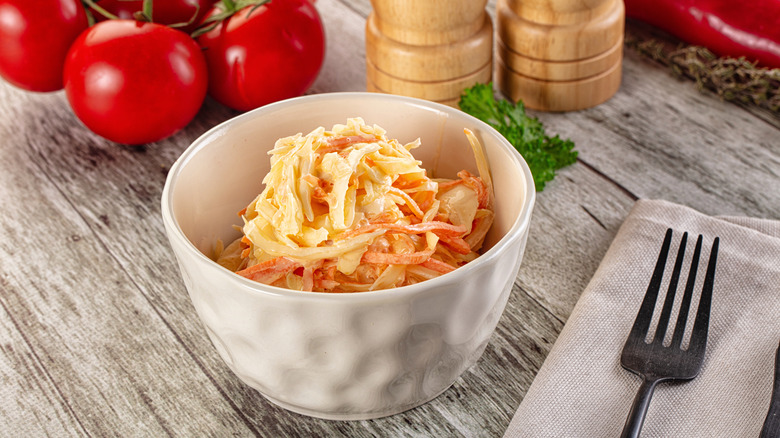
If you're shredding veggies and simply stirring in mayonnaise, you're not getting the best from your coleslaw. This might be the easiest way to make it, but restaurant-style coleslaw uses more than just mayo in the dressing. There's no single perfect recipe for coleslaw dressing, but the chef may add ingredients like buttermilk or sour cream for tang, sugar for extra sweetness, and lemon juice or vinegar for yet more tartness.
The fact is, there are different coleslaw variations from around the world, so there's not just one type of dressing. For instance, Mexican ensalada de col has a dressing made with mayo, chile, and Mexican oregano, while Turkish lahana salatası is a take on coleslaw that uses yogurt as a dressing.
Plus, different chefs have their own variations on the classic. For instance, Bobby Flay's "coleslaw with a twist" contains sriracha to give it a spicy kick, and coriander leaves for freshness. There are many possible additions for both basic coleslaw and more contemporary takes. Paying attention to your dressing is important. If you get the veggies right and phone it in with the dressing, you won't end up with that perfect slaw that you're aiming for.
Chefs think about balancing flavors more than home cooks do
Jannissimo/Shutterstock
If you aren't thinking about the balance of flavors in your coleslaw, it's no surprise it's not coming out as tasty as your restaurant fave. We understand why you might not think too carefully about the ingredients, but that's where many home cooks differ from professional chefs. Balancing flavors is one of those French cooking tips you never knew you needed, but it applies to something as straightforward as coleslaw, too.
Rob LaTronica explains that chefs aim to find that precise ratio of fat, acid, salt, and sweetness to create a perfectly balanced flavor. For example, "celery — and celery seed — is surprisingly strong and needs appropriate balancing with sugar and acid," LaTronica tells us. "It's this balance and often more aggressive seasoning that builds depth with ingredients."
He goes on to say that the pros add a depth of flavor through a range of ingredients, including celery seed, mustard, and buttermilk. They build subtle umami notes, rather than simply relying on mayo or using overly sweet dressings. That said, some sweetness is also needed for balance. Maple syrup can be a secret ingredient in coleslaw to help achieve that balance of sweetness, saltiness, and acidity.
You might be dressing your coleslaw too late or too early
Maliflower73/Shutterstock
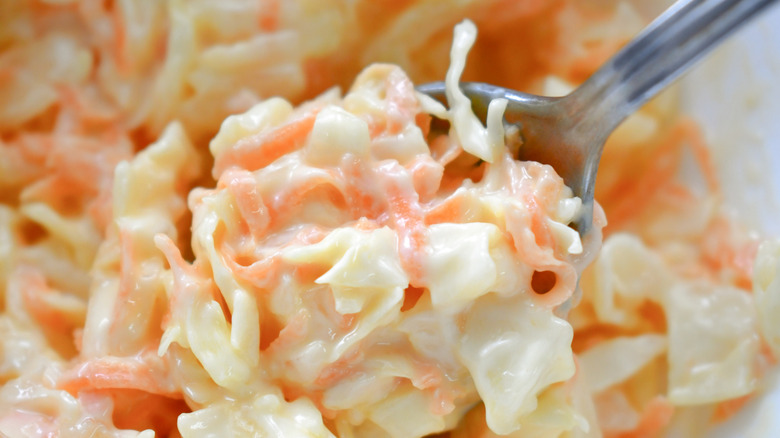
If the texture of your coleslaw isn't the same as the restaurant version you'd like to recreate, it might be because you're dressing it either too late or too early. Both early and late are bad in their own way, and can give you subpar results. Luckily, once you work out what you're doing wrong, it's easy to rectify.
"Home cooks will often miss this window by serving it too early, when the slaw still reads dry and crunchy, or too late, after it has become soggy and oversaturated," says The Culinary Edge's research and development chef Susan Bean. So, if it seems drier than your favorite coleslaw, you need to let it sit in the dressing for longer. If it's soggy, you've left it sitting around too long.
However, not all our experts agree on how long in advance you should dress your coleslaw. Rob LaTronica believes that dressing 4 to 6 hours before is the perfect length of time, while Bean recommends an hour. This may come down to your preference. If you like it fairly soft, dress it earlier. If you like it crisp, give it less time in the dressing. You may need to experiment with timing to figure out what works for you.
Professionals don't dress their slaw too early if using red vegetables
Алексей Филатов/Getty Images
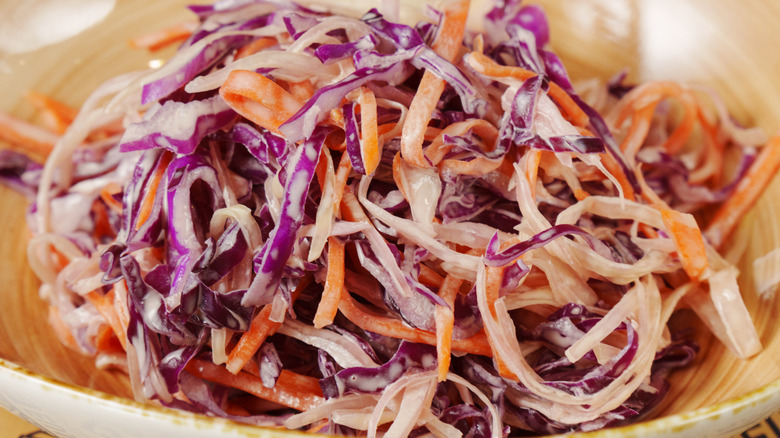
Although looks aren't everything, it can be a bit off-putting when your coleslaw is swimming in a bright pink dressing. It often happens with homemade slaw when particular types of vegetables are used, but chefs are often careful to avoid this.
"If red cabbage, beets, or other deeply colored veggies are going into the slaw mix, they will bleed a lot of their color into the other veggies," says Andy McLeod. "It's not right or wrong, only something to consider." If you don't mind the color, let it sit for as long as you like. If a bright pink dressing is part of the problem you want to change, make sure you don't mix it with the dressing too early.
You can also adjust the quantities of vegetables you use to try to fix the issue. Avoid red cabbage and beets altogether if you want a stark white dressing. You can also change the ratio of red-to-white cabbage if you want some contrast in color and flavor, but don't want your dressing to look like frosting on a kid's birthday cake.
Chefs use fresh ingredients instead of bagged veggies
Maliflower73/Shutterstock
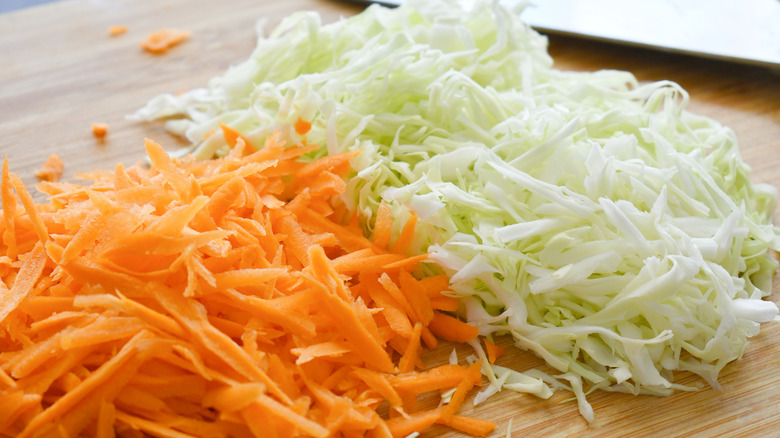
The easiest way to make coleslaw is to pick up a bag of prepared veggies and mix them with dressing. Most supermarkets sell coleslaw mix designed for doing just this. However, chefs use fresh ingredients rather than a bag of pre-shredded veggies — and that's part of why restaurant-quality coleslaw is better.
"Cut or grate the cabbage and other ingredients such as carrots and herbs yourself; skip bagged stuff," advises Sally Cameron, adding that "fresh always wins." It's not just the flavor that bagged veggies affect either. "Pre-cut bagged coleslaw blends are a great time saver for home cooks, but tend to include irregular and woody stems that create tough bites and absorb seasoning unevenly," says Susan Bean. So you also get a worse texture from bagged mixes, and no chance to tailor how fine your veggies are chopped to your preferences.
What's more, what you get is what you get when you use bagged coleslaw mix. There's no chance to put your own spin on the ingredients and take your coleslaw to the next level. Bean says that "chefs bolster their blends with radishes, carrots, and fresh herbs to provide textural variety, visual vibrancy, and a multidimensional flavor profile." This is something missing when you use the bagged stuff. If you're worried about convenience, Cameron suggests that you prep the veggies in advance and dress them when you need them.
You may be using too much dressing
oanbogdan/Shutterstock
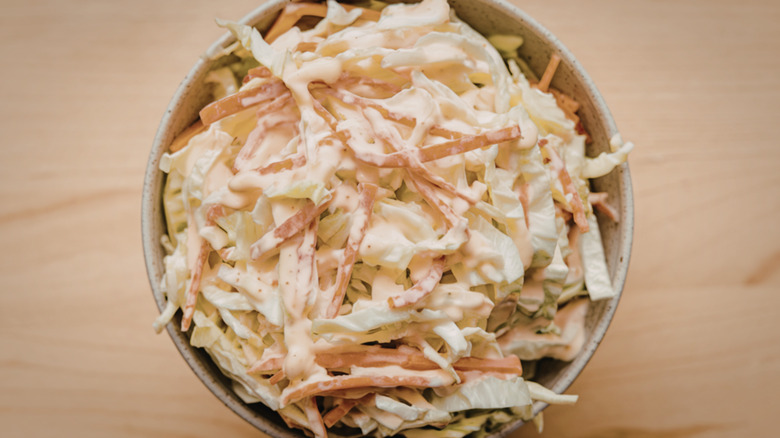
You might think that putting more dressing on your coleslaw will always be better, but this is one of those occasions where less can be more. Naturally, you don't want to be stingy and end up with a dry, boring dish, but chefs know how to balance things just right. Once you find the perfect vegetable-to-dressing ratio, it'll make all the difference.
"I don't know many people who like heavy, gloppy coleslaw," says Sally Cameron. "Using dressing with a light hand is best." There's no perfect answer on how much to use, especially since everyone has a different preference. When you're trying to work out how much you like, make the dressing and add it to the vegetables gradually, rather than all at once. Stop when you think you've got enough, and keep the rest to one side. Once you've let the coleslaw sit, try it again and add a little more if required.
There's nothing wrong with adding plenty of dressing to your coleslaw, if that's how you like it. However, chefs often approach food in a measured way. They'll add the perfect amount and no more. Experimenting to find a good ratio will help you get that restaurant level.
Restaurant coleslaw may vary the types of cabbage used
Visual-wizard/Getty Images
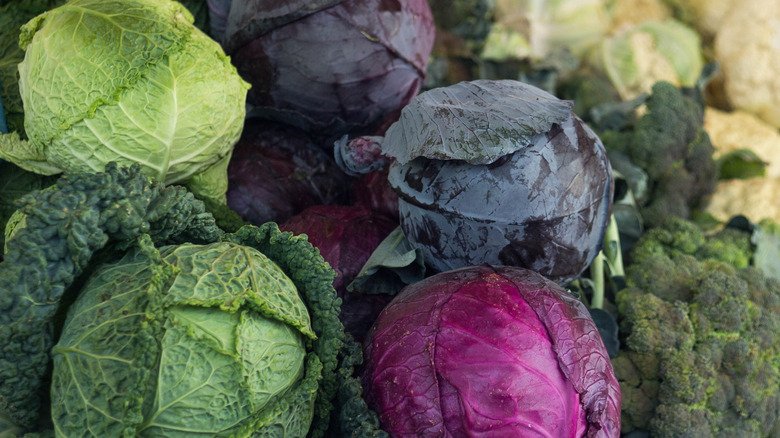
Traditional coleslaw tends to use basic green cabbage and some carrots, but this can get boring. Chefs know that to level up their slaw, they need to experiment with other cabbage varieties — and other veggies altogether.
"Sometimes all you need is basic green, but adding a bit of red cabbage for color or even something like napa cabbage for texture is great," says Sally Cameron. Napa cabbage has a milder, sweeter flavor, for instance, and a slightly softer but still crisp texture. Hispi cabbage is crisp like green cabbage but slightly sweeter and more delicate, which is great if you want a less bold cabbage flavor.
It's not just cabbage varieties that chefs experiment with. "Using other veggies helps bring out a lot of freshness from a dish that's often considered heavy," says Rob LaTronica. Onion adds punchy flavor, while fresh herbs can lift and brighten a slaw. You can go seasonal with your additions, too. For instance, you might want to add sweet parsnips or peppery turnips in winter, while a summer slaw could include zucchini or fennel. Not sure what veggies to add? If you can eat it raw, you can add it to a slaw.
Chefs know that vegetables release water and account for this
Esin Deniz/Getty Images
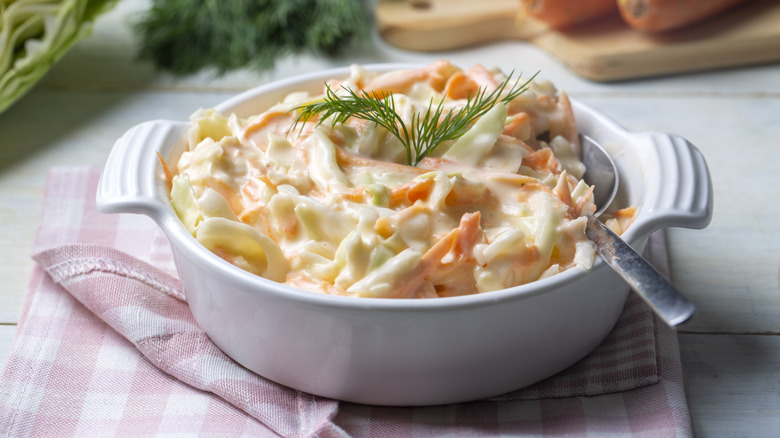
What many people do with coleslaw is chop the veggies, mix in the dressing, leave it to rest for a while, and expect it to be the same as when they left it. However, this can lead to a disappointing dish. Chefs know that vegetables release water and account for this when making coleslaw, adjusting as needed to get the desired results.
"It's important to remember that your slaw mix will macerate (release water) for a while after the slaw dressing is folded in, so your texture and moisture content will change a lot from the moment you dress the veggies to the moment you serve," explains Andy McLeod. So if the dressing is the perfect consistency after mixing, it will be overly watery when you come back to it in an hour or two.
Salting and draining veggies helps, but they'll continue to release some water. "I think it's best to wait at least an hour before serving your slaw after it's all mixed together," says McLeod. At this point, you can stir any released liquid back in and make adjustments to the dressing and seasoning. It's also a good idea to make the dressing a little thicker than you want to account for the excess moisture.

 Arabic
 French
 Spanish
 Portuguese
 Deutsch
 Turkish
 Dutch
Dutch
 Italiano
 Russian
 Romaian
 Portuguese (Brazil)
 Greek
Greek