


David Miller Star/Shutterstock
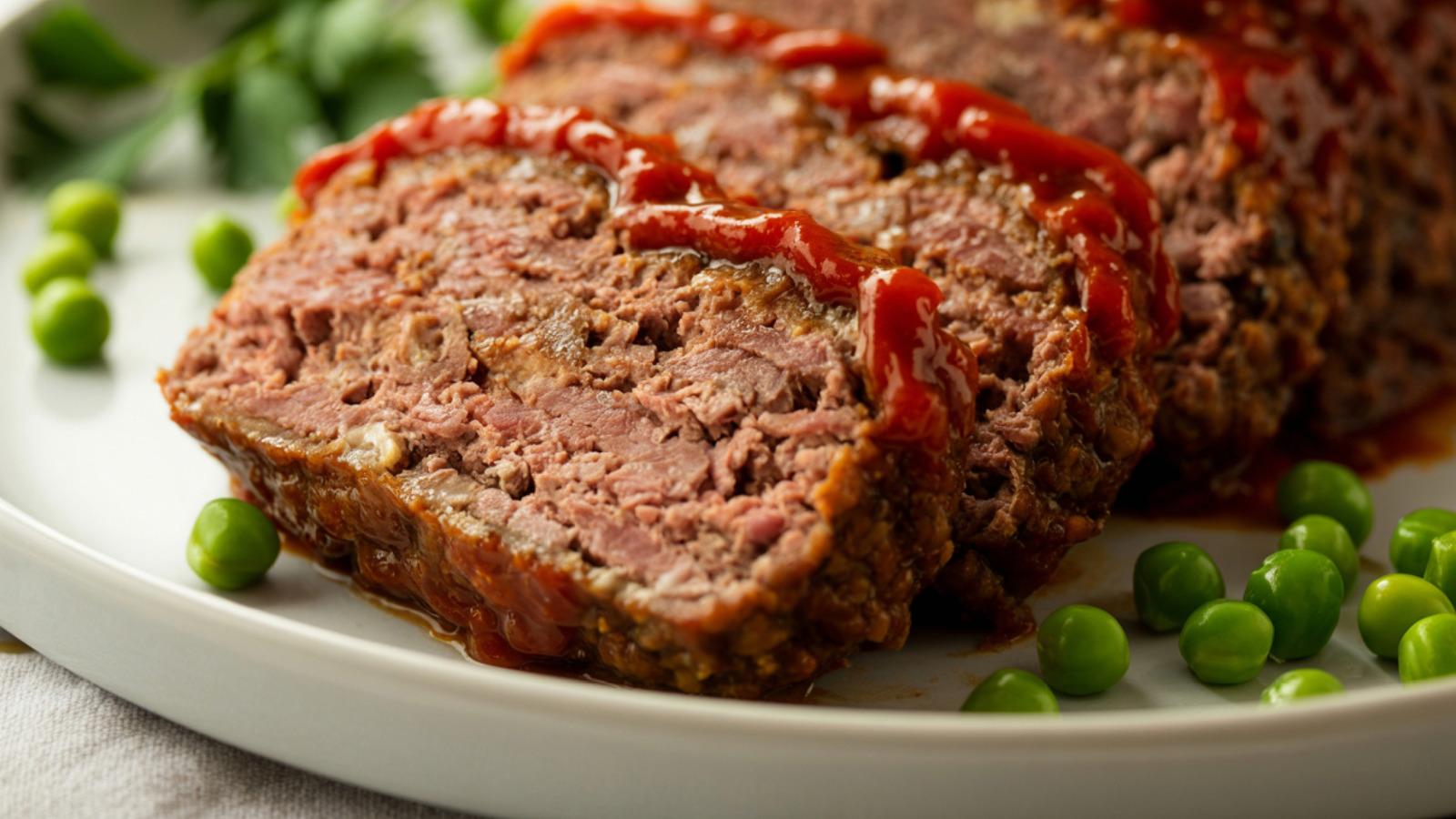
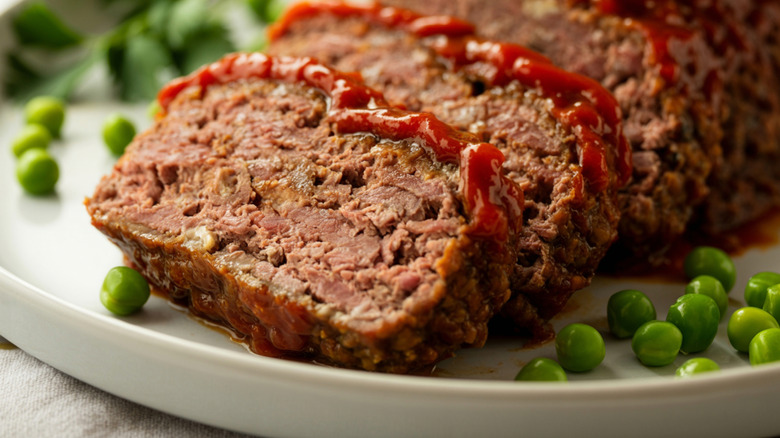
While you can add specific touches to a traditional meatloaf recipe, there are some standard ingredients you might reach for automatically. If you've been making this dish with breadcrumbs out of habit, it might be time to raid your pantry for a better option. Crackers such as saltines could be one of the secrets to preparing a perfect meatloaf.
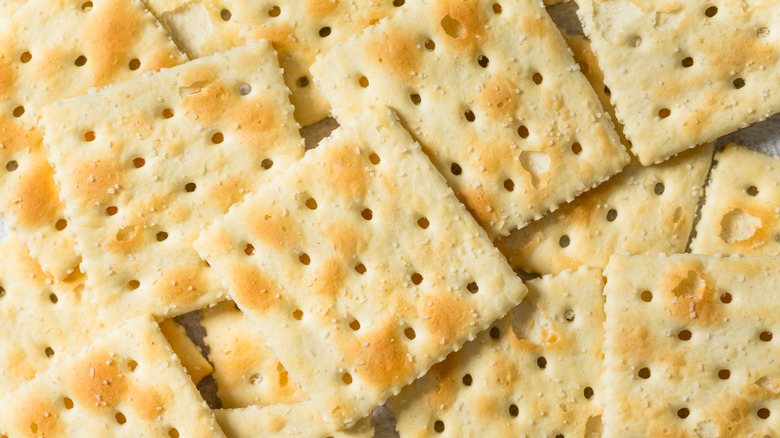
Unlike breadcrumbs, which can make meatloaf dense, crackers retain more moisture during cooking, resulting in a lighter texture and more tender bite. According to research by Alibaba, many saltine brands work great because they contain malted barley flour and shortening that help them absorb moisture more efficiently and more slowly, so they end up moist rather than mushy. However, the type of cracker you use could affect how the process plays out. Alibaba cautioned against using Ritz crackers because their higher sugar content could cause the surface of your meatloaf to burn. However, you may be able to mitigate the risk by covering the food with foil for part of the bake to avoid full heat exposure.
Different crackers bring unique benefits to your meatloaf. Taking a chance on Ritz could add buttery richness and savory depth without overpowering the meat, while saltines provide a subtle salty flavor and a pleasantly tender texture. The substitution is straightforward: Use the same amount of cracker crumbs as you would breadcrumbs, or about ½ to ¾ cup per pound of meat.
Some tips for the perfect cracker meatloaf
Bhofack2/Getty Images
The way you crush your crackers could make a real difference in your final results. Reducing them to a fine powder will give you beautifully uniform slices, but it may end up a little too dense or even hard. If you don't crush your crackers enough, the meatloaf will be moist and tender but is likely to fall apart. The result should be sandy or close to the size of small panko breadcrumbs (around ½ millimeter) rather than fully pulverized dust.
The easiest crushing method is placing crackers in a plastic sandwich bag and crushing them with a rolling pin, or you can pulse them in a food processor for more control over the final texture. Then you'll want to make a panade by combining your crushed crackers with milk (or whatever liquid base you're using) and letting them soak for about five minutes before mixing with the meat. This simple technique helps the crackers bind with other ingredients while keeping your meatloaf exceptionally moist.
Once you've made your cracker panade, mix it with your other ingredients gently with your hands until just combined — overmixing develops the proteins too much and creates a tough, rubbery texture. And never skip the resting period after baking. Letting your meatloaf sit for 10 to 15 minutes allows it to reabsorb its juices and firm up, making slicing far easier. Top everything with a tangy-sweet glaze, and you've elevated a weeknight staple into something that might just make an appropriate dinner to serve at the White House.

 Arabic
 French
 Spanish
 Portuguese
 Deutsch
 Turkish
 Dutch
Dutch
 Italiano
 Russian
 Romaian
 Portuguese (Brazil)
 Greek
Greek