


Svetikd/Getty Images
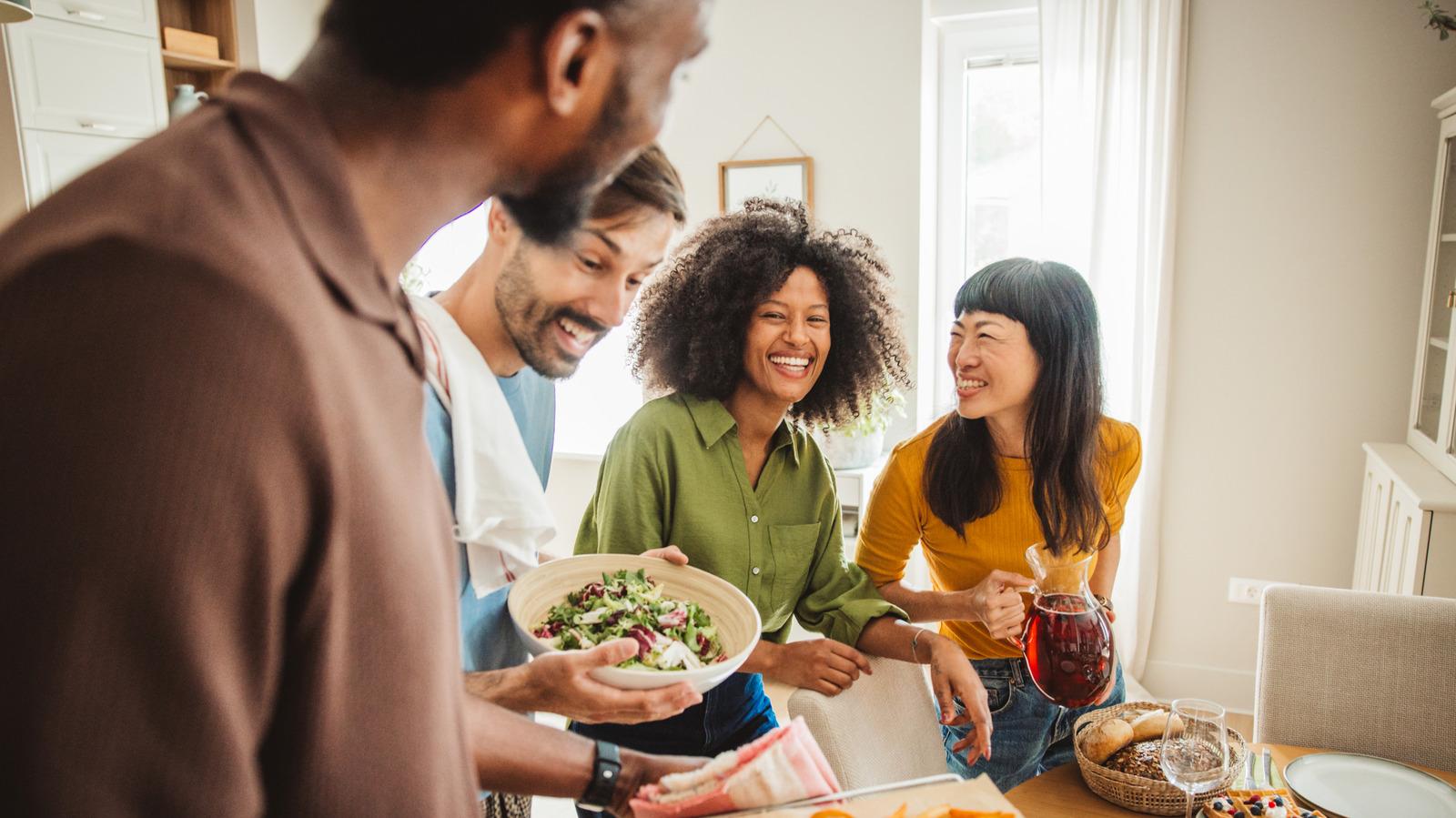
There's all kinds of information about food and cooking out there and, we'll be honest, not all of it is correct. Of course, there's room for people to do things their own way, but you'll often come across useless TikTok cooking hacks, or commonly touted advice that just isn't true. That's why we wanted to learn about the kitchen "tips" chefs say you should avoid.
I spoke to four professional chefs to get their hot takes. Giuseppe Miggiano is the owner and chef at Casa Tua and had a lot to say about carbonara and olive oil. Lucas Toborek, head chef at event planning and catering company Poptop, had some other great insights into kitchen don'ts. I also spoke with private chef and medical meals specialist Chuck Hayworth of The Resort Chef, and David Buico, executive chef and owner of Mercato Cucina.
Armed with this insider info, I was ready to take on some of the common cooking and kitchen advice that chefs don't endorse. Some of these tips might be things you do every day without a second thought that are making your cooking worse. Just making a handful of basic changes could up your game and make meals more delicious.
Adding oil to pasta water
VITALII BORKOVSKYI/Shutterstock
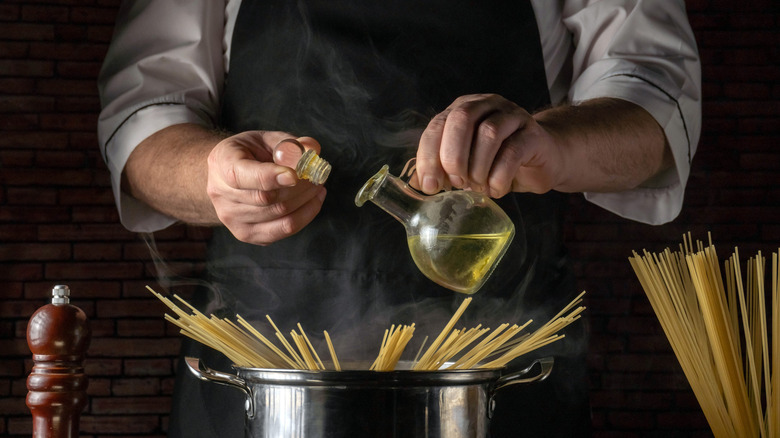
You might have heard that you should add oil to your pasta water to keep the noodles from sticking together. This seems to make sense in theory; oil is slippery and does prevent sticking when you're working with dough or cooking in skillets. However, professional chefs never add oil to pasta water. Not only is it unnecessary, it could also give you worse results.
Lucas Toborek says it's something professional chefs avoid. "Pasta needs to be sticky when you cook it to hold the sauce around it," he explains. "If you add the oil, the sauce simply slides off." So, it's not just a waste of oil but could result in a less cohesive dish. Chef David Buico agrees that it creates a slick coating that prevents the sauce from adhering to the pasta, noting that it's the starchy, slightly rough surface of pasta that creates this effect.
Luckily, if you cook pasta correctly, sticking shouldn't be an issue. "What it needs is well-salted water and movement: stirring in the first minute or two prevents sticking far better than oil ever could," Buico tells us. He also clarifies that the starch released into the pasta water is essential for emulsifying sauces, particularly with fats like olive oil, butter, or cheese. "That starchy pasta water is what helps create a silky, cohesive sauce that actually coats the pasta," he remarks. So, do yourself a favor and leave the olive oil for finishing pasta dishes.
Adding cream to carbonara
Anastasiya Larionova/Getty Images
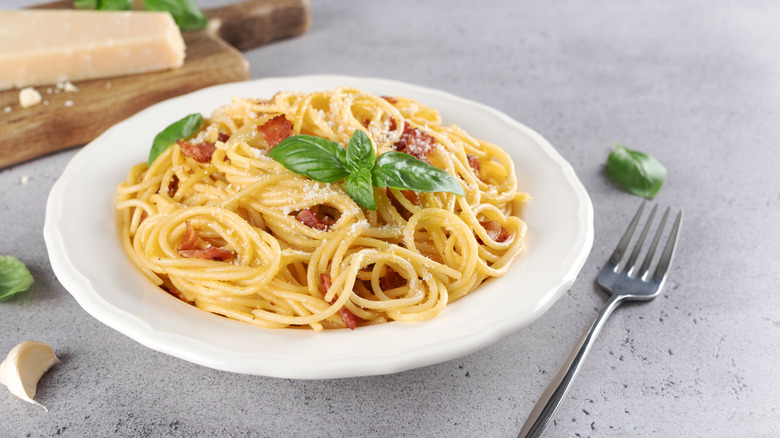
If you grew up in the '80s or '90s, your first exposure to carbonara was probably in the form of a dish laden with heavy cream from your neighborhood Italian restaurant or a supermarket chiller. But there's one thing Casa Tua chef Giuseppe Miggiano is extremely adamant about: Cream does not belong in carbonara. He says that, at his restaurant, there's never cream in the dish, and there's even a note on the menu stating that fact for any diners who are expecting the dairy item in their pasta.
A proper pasta carbonara recipe is made using eggs, not cream. "The creaminess comes from the right balance of pasta water, good pecorino, parmesan cheese, eggs, and of course the right temperature control," Miggiano says. He explains that when you use the correct heat and you emulsify the ingredients properly, it looks like it contains cream when really it's just the ingredients blended perfectly. This might be where the confusion comes from.
If you want to make it the true Italian way, look for guanciale (cured pork cheek) rather than using bacon or pancetta. Or, make it vegetarian by frying up capers until crisp and using them instead of meat.
Frying garlic and onions together
Pawel Kacperek/Getty Images
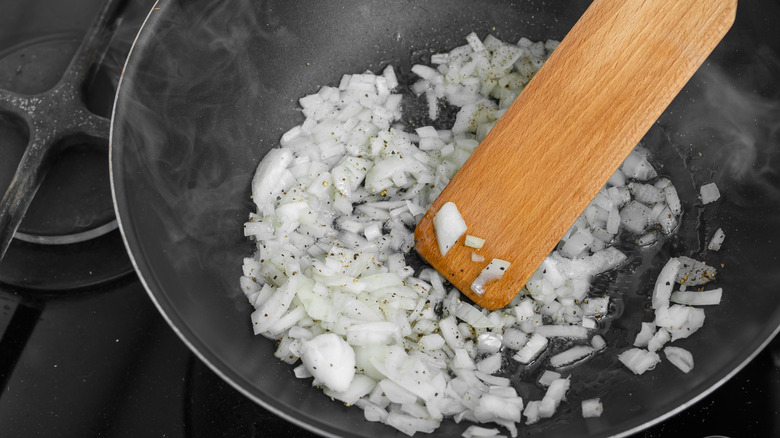
So many recipes start by frying onions and garlic together. It seems like this is a good way to get an aromatic base for your dish, but adding garlic too early is a mistake. It can leave you with a dish that tastes bad.
Why? Well, Poptop head chef Lucas Toborek says you should "only add garlic at the stage when all other ingredients are fried off." If you add it too early it gets a bitter flavor, he explains. This is because the lower water content in garlic means that it burns significantly faster than onions or other veggies that you might use as a base for your meal, like celery, carrots, or bell peppers.
And, while some ingredients taste good when they're deeply browned, garlic ends up tasting bitter and acrid and can totally ruin a meal if it's overcooked. If you ever need to fry garlic on its own for a recipe, it's best to start it in a cold pan with oil, let it cook low and slow, and stir it constantly to keep it from burning.
Speeding up cooking by filling your pan
Fermate/Getty Images
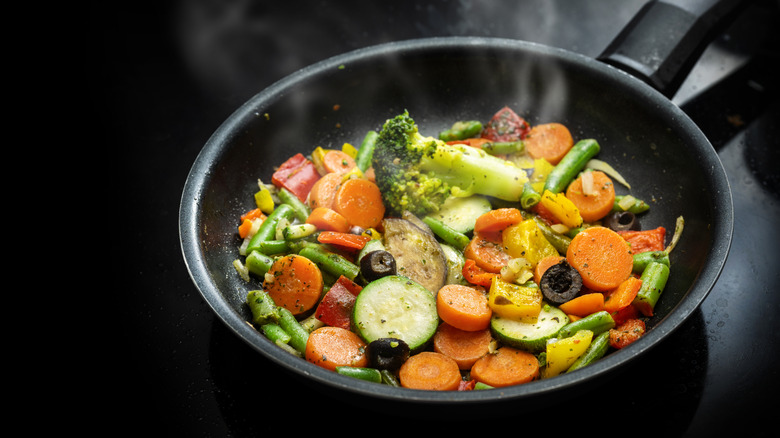
You might think you can speed up the time it takes to cook things by filling the pan. Perhaps you even assume you've discovered a cooking shortcut, but overfilling your pan will only lead to culinary disappointment. It's a surefire way to turn things soggy or mushy rather than crisp or golden.
According to Giuseppe Miggiano, this is a problem that happens all the time. "You think you're saving time by cooking everything at once, but all you're doing is steaming the food," he says, adding that you get no colour and no flavor from cooking in this way. As an Italian chef, Miggiano believes a big part of flavor comes from proper browning and respect for ingredients, so don't crowd them.
"Give food space — it's better for taste and texture, and you end up with a cleaner, lighter dish," Miggiano explains. Sure, it might take longer if you have to cook things in a couple of batches. Or, there may be more dishes to do if you use an extra pan, but it makes all the difference.
Only seasoning food at the end of cooking
PeopleImages/Shutterstock
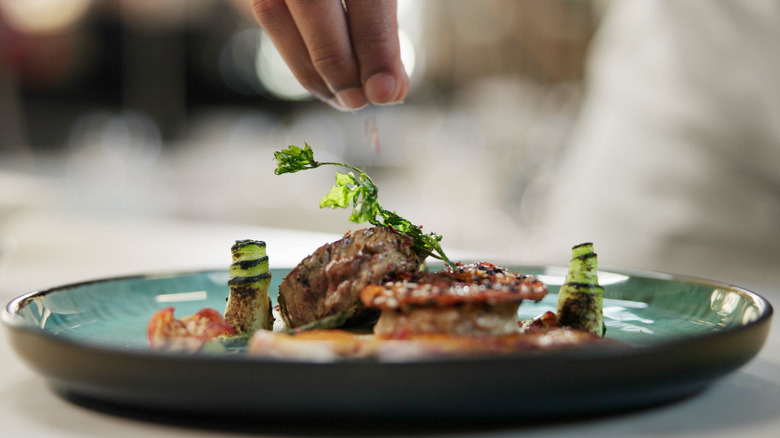
If you're only seasoning food at the end of cooking, you're falling for one of the mistakes everyone makes with salt. Some people have heard that salt is bad for you and should be used sparingly, while others might read a recipe that says "add salt and pepper to taste" and think that means adding it only at the end. This is how you end up with under-seasoned food that might taste salty on the outside but is totally bland inside.
"Great food is built in layers, and seasoning is part of that structure, not a finishing touch you sprinkle on at the last second," chef David Buico tells us. "When salt and spices are added only at the end, they sit on the surface of the food instead of becoming part of it, which leads to flat, one-note flavor." Learning to season correctly can instantly level up your cooking.
Buico explains that you should be seasoning before and during cooking, which allows salt to penetrate ingredients, draw out natural moisture, and enhance their inherent flavors. So, in some cases you might want to salt or marinate ingredients before cooking them, as well as adding salt as you cook, tasting regularly so you don't overdo it. This way, "proteins absorb seasoning, vegetables release sugars and caramelize better, and aromatics bloom as they heat," says Buico. "Each step builds depth, balance, and complexity."
It's fine to make adjustments at the end, but you'll get the best results if you season early, thoughtfully, and in stages. This gives you a meal that's beautifully flavorful, not just superficially salty.
Buying food in bulk when you don't need to
PJ McDonnell/Shutterstock
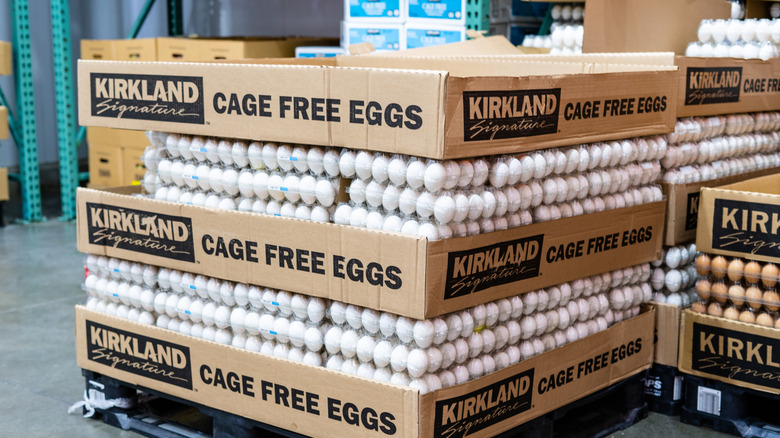
There's somewhat of a trend for buying in bulk, particularly from popular warehouse stores like Costco. But although there are great deals to be had — and some Costco foods that taste better than homemade – it's not worth bulk buying unless you genuinely need that volume of food.
"The way to prevent food waste is to buy what you need only for the days ahead," advises private chef Chuck Hayworth. He recounts how he often sees people in warehouse stores buying foods in huge quantities, and overhears people saying that they'll never manage to eat the whole lot. "No need to go overkill on items because they are a good sales price unless you intend to use them right away," he remarks. "My experience with clients is that they wind up throwing away some if not most of those items."
It doesn't matter if it looks like a great deal, you'll only end up wasting money in the end if you have to toss some of it in the trash. Of course, there are items that you can freeze or preserve, but think about whether you're genuinely going to do that. Will you use the extra gallon of milk you froze? Or will you forget about it until it's freezer burned and no good? There's nothing inherently wrong with buying food in bulk, but don't feel pressured to unless you'll use it.
Using extra virgin olive oil at a high heat
PawelKacperek/Shutterstock
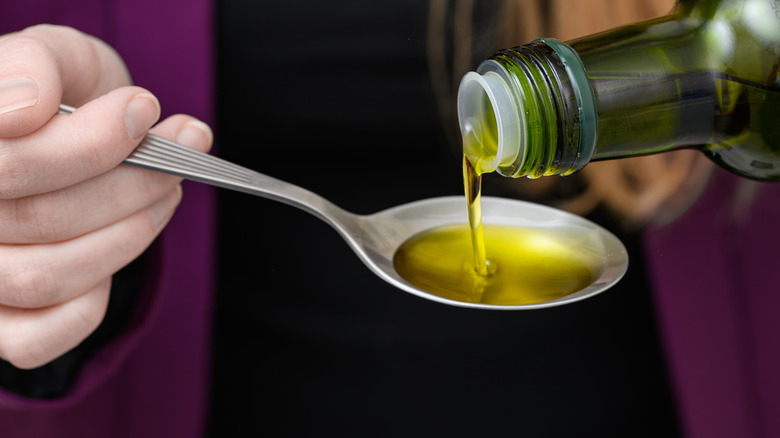
You might already know the difference between extra virgin olive oil and regular olive oil is the way it's processed. Extra virgin olive oil is cold-pressed, unrefined, and full of flavor and health benefits. But, some chefs say that you lose those benefits and run into trouble if you cook with it over a high heat.
"Extra virgin olive oil is amazing, but when you use it at very high temperatures, you burn the oil and lose all the good stuff — flavor and health benefits included," says Giuseppe Miggiano. He notes that for high heat, you should use the right fat. "Save EVOO for finishing, dressings, and gentle cooking, where it actually does something good for your body," he remarks.
But it may not be as simple as this. Extra virgin olive oil does have a fairly low smoke point of 375 to 405 degrees Fahrenheit. However, this doesn't necessarily mean it's bad for your health to cook with it. Studies into extra virgin olive oil seem to suggest it has the ability to maintain health properties even when cooked at high temperatures. Depending on the dish, it may also taste better cooked in olive oil. Of course, good extra virgin olive oil is expensive, so probably best reserved for drizzling.
Consider your options when using extra virgin olive oil at a high heat. That said, we wouldn't necessarily write it off as an option altogether.
Buying gamechanging gadgets that you won't use
Stocky boi/Shutterstock
You'll often see kitchen gadgets being pushed by brands or influencers. You might hear about the more "gamechanging" new piece of equipment. But, no matter how many people are recommending it as the next big thing to up your game or save you time, there's no point in buying them unless you're actually interested in using them. And, interest alone isn't enough, you have to follow through.
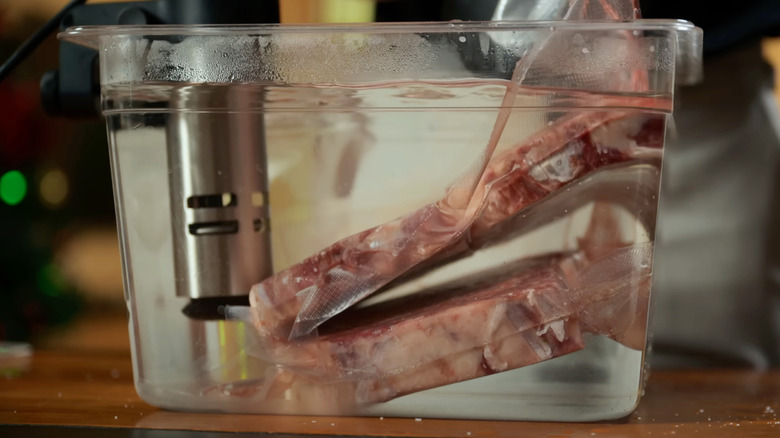
As a private chef and medical meals specialist, Chuck Hayworth says he sees lots of his clients buying appliances like pressure cookers and sous vide machines that they're unlikely to use. "They are over rated and rarely are used by home cooks," he says. A gadget might look cool, but think about who's recommending it to you and whether they might have an ulterior motive — like getting paid.
But Hayworth doesn't think that all trendy appliances should be avoided. He says that "a good all-purpose Instant Pot can make meal preparation a breeze," noting that this kind of appliance is easy to use and versatile. Even so, consider whether you're going to cook with it regularly or it's more likely to sit at the back of a kitchen cabinet gathering dust. Any kitchen gadget or appliance is worth that cash if you use it regularly, but even a great one is pointless when it's not used.
Pressing on ingredients while cooking
Dmitri Zelenevski/Getty Images
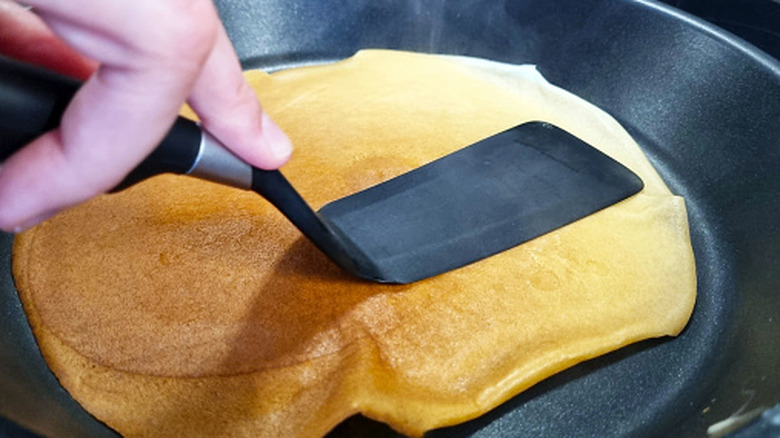
When you're cooking food in a frying pan or skillet, spatula in hand, way too many people use it to press down on food. Perhaps you've seen a TV chef or a food influencer on TikTok or Instagram do it. Or maybe you read it somewhere once. But, it's actually a so-called tip that you should avoid.
Chef Lucas Toborek says that pressing on meat while browning it is a kitchen don't. "When you press the meat on a pan, you squeeze all the juices out of it," he explains. "Just leave the meat in the pan for as long as needed and flip when ready."
Pancakes are another great example of foods you shouldn't press down on while cooking. After flipping them, there's a temptation to press down on that cooked side. Perhaps it's the idea that they'll cook more quickly or evenly. But don't do it. That just pushes the air bubbles out, giving you a dense or gummy center rather than a light or fluffy one. For most foods, just leave them alone while they cook in the pan and they'll turn out better for it.
Cooking in a screaming hot pan
Koldunov/Getty Images
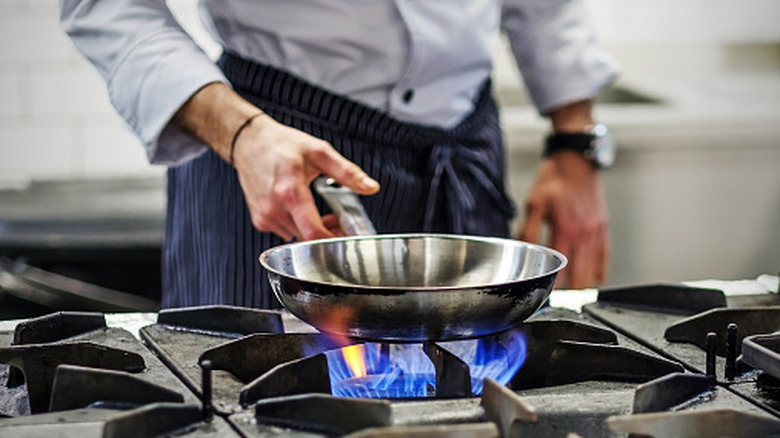
Have you ever read a recipe or watched a reel where the advice is to add your ingredients to a "screaming hot" or "smoking hot" pan? If so, that's a tip David Buico says you shouldn't listen to. According to Buico, this is borrowing terminology from restaurant kitchens that doesn't apply to home cooking. "Professional kitchens use heavy, high-BTU burners and thick, commercial cookware designed to tolerate extreme, sustained heat," he tells us. Most home stoves, on the other hand, can heat unevenly. When you turn them up too high, hot spots form, which can lead to scorched oil, burned food, and warped pans.
Buico also points out that it's not ideal to use smoking oil. "Once oil smokes, it has passed its smoke point and begun to degrade," he explains. At that stage, harmful byproducts form, the oil can taste bitter as flavor compounds are destroyed, and it loses its nonstick properties. "Instead of helping browning, smoking oil often causes food to stick, scorch, or taste acrid," Buico notes.
Cooking at too high a heat also shortens the life of your pans, as it can warp them, ruin seasoning or nonstick coatings, and cause discolorations. Plus, it can be hard to get the proper browning that you're looking for. At a screaming hot temperature, food can quickly go from perfectly cooked to burned. So, do yourself a favor and cook at a moderate heat.

 Arabic
 French
 Spanish
 Portuguese
 Deutsch
 Turkish
 Dutch
Dutch
 Italiano
 Russian
 Romaian
 Portuguese (Brazil)
 Greek
Greek