


10 Leafy Greens to Start from Seed Now for an Earlier Spring Harvest
Start These 10 Leafy Greens from Seed Now for an Earlier Spring Harvest
Can’t wait to enjoy fresh food from your garden? With these cold-hardy leafy greens, you may not have to. While tomatoes, melons, and cucumbers are warm-season crops that only grow during hot weather, many of leafy greens tolerate chilly days and can be started very early in the season. Whether you’re starting them indoors or direct sowing them in your garden, here are 10 leafy greens to start now for an early harvest, plus seed sowing tips to get the growing season off to a good start.
Lettuce
Kindra Clineff
Lettuce thrives in cool weather between 60°F and 65°F, so it's an ideal crop to plant early in the season. Lettuce seeds germinate the fastest and most reliably in temperatures around 75°F, but some loose-leaf lettuce varieties that are known for their cold tolerance, such as ‘Arctic King’, germinate in temperatures as low as 40°F.
If you want to plant lettuce outside, do it in a cold frame or start lettuce seeds indoors 4 to 6 weeks before your expected last spring frost date and then harden the seedlings off thoroughly before transplanting them outside when there is no longer any danger of frost.
Swiss Chard
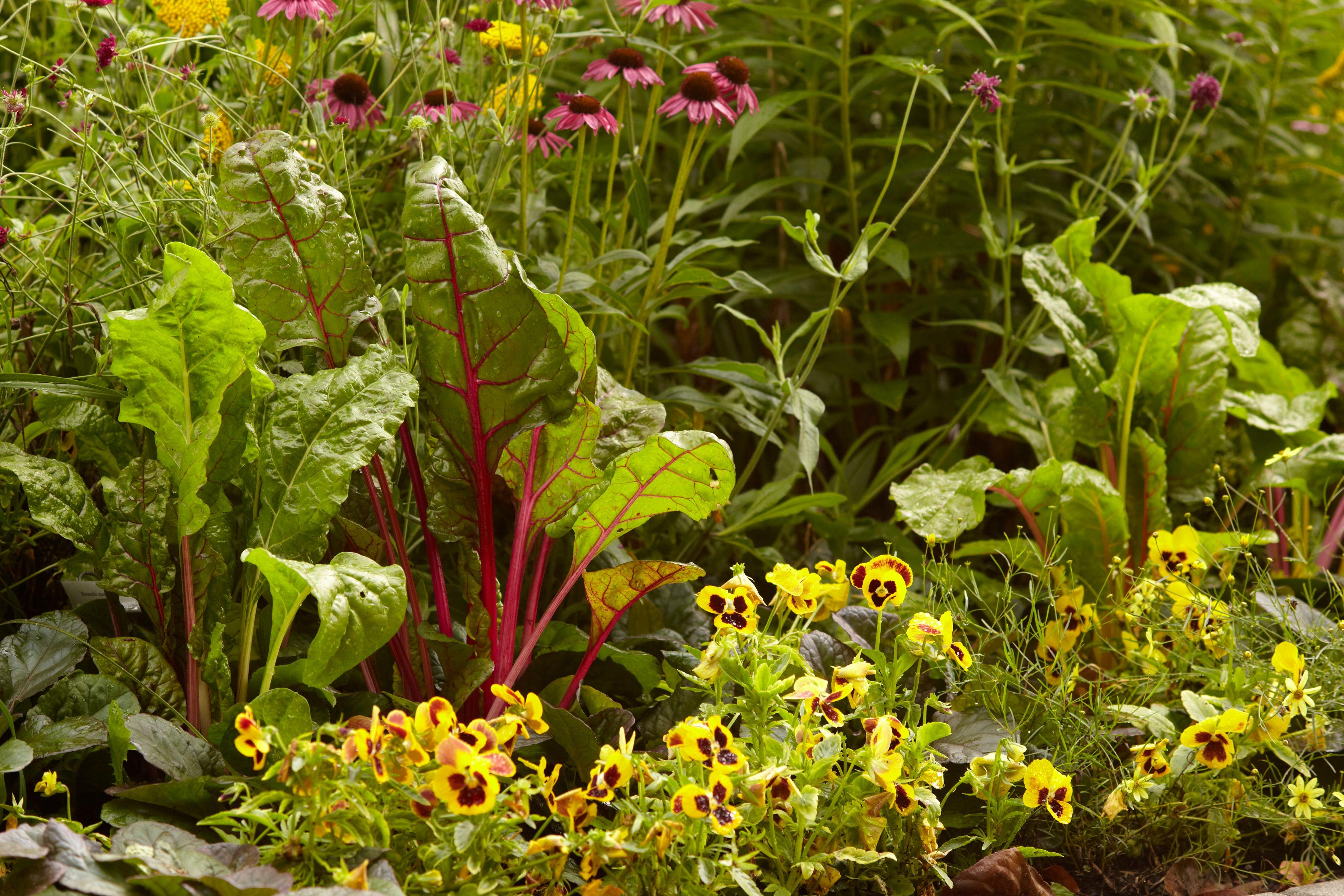
Swiss chard seeds germinate in temperatures as low as 40°F, but germinate faster and more uniformly around 85°F. If you live in an area that experiences mild winters, you may be able to directly sow Swiss chard seeds in your garden now and harvest baby greens in just a few weeks. In colder climates, start Swiss chard inside about 4 to 6 weeks before the last spring frost, and transplant it outside when the risk of moderate frost is over. Swiss chard seedlings tolerate temperatures just below freezing.
Spinach
Denny Schrock
Spinach is a cool-season crop that germinates in soil temperatures as low as 35°F, though for best germination, the soil should have reached a temperature between 45°F and 68°F. For an early start, sow seeds in a cold frame or in grow tunnels. Baby leaf spinach is ready to be harvested in 3 to 5 weeks after planting. If you want a continuous supply of spinach all through the spring, sow it every 7 to 10 days.
Mustard Greens
Kindra Clineff
Mustard greens get spicy fast when they’re grown outdoors in hot weather. For a mellower flavor, plant them early in spring. When started indoors, expect mustard green seeds to germinate in about 4 to 10 days. The plants should be ready for transplanting when they’re 4 to 6 weeks old and their stems are sturdy.
Arugula
Marty Baldwin
Also known as rocket, arugula is a cold-hardy green with a peppery kick. It is usually started outdoors as soon as the soil is no longer frozen and workable, or indoors 4 to 6 weeks before the expected last spring frost date. If you start more arugula seeds than you can transplant into your garden, thin out the extra seedlings by clipping their stems off with fingernail scissors so the remaining plants have more room to grow.
Cabbage
Kindra Clineff
Even under the best conditions, head cabbages are relatively slow growers, and early crops often bolt as soon as summer heat strikes, even if the plants aren't fully mature yet. Starting cabbage seeds indoors in February is an easy way to give your plants a head start on the season and ensure they have enough time to grow while the weather is still cool. When transplanting time arrives, move cabbage plants under row covers immediately so that cabbage loopers and other pests never get a chance to nibble on their leaves.
Sorrel
Unlike other leafy greens, sorrel is a perennial plant in Zones 4-9. Once it is established in your garden, it should come back every spring, so pick a planting spot where it can remain undisturbed for years. Established sorrel plants are some of the first crops to produce edible greens in spring, and their leaves have a delightful lemony flavor that works well in salads or as a garnish for seafood and soups.
To get sorrel started, start seeds indoors in seedling trays 3 to 6 weeks before your anticipated last frost date. To add more color to fresh salads, look for the red-veined variety, bloody dock (Rumex sanguineus).
Asian Greens
Tatsoi, mizuna greens, and bok choy are just a few of the many, lesser-known delicous and versatile Asian greens. They have a fast growth rate and an impressive cold tolerance, surviving temperatures down to 20°F, which makes them good candidates for starting under cold frames or in grow tunnels in spring. You can also plant most Asian green seeds in pots indoors 4 to 6 weeks before your last frost date and transplant them outside after there is no more frost in the forecast.
Kale
Peter Krumhardt
Kale seeds germinate when temperatures are as low as 45°F, and kale plants potentially grow year-round if you keep them covered with cloches, grow tunnels, or cold frames. Starting an early crop of kale right now should allow you to avoid many of the major pests that plague kale leaves later in the season and riddle plants with holes.
Like other greens, kale seeds are started indoors 4 to 6 weeks before the expected last frost date and transplanted into the garden one to two weeks before the expected last spring frost in your area. Kale can also be grown as microgreens that are ready for harvesting just 8 to 12 days after planting.
Collard Greens
Denny Schrock
Few greens taste as cozy as collard greens mixed into a hearty soup or stew—and it just so happens that collard greens grow well in cool weather. In a warm climate, collards are best planted in the fall, so they grow in cooler winter weather; in hot weather, they tend to bolt. For an early start in a cool climate, sow collard green seeds indoors 4 to 6 weeks before the last frost is expected in your area and transplant the seedlings outside once the risk of frost has passed.

 English
 Arabic
 French
 Spanish
 Portuguese
 Deutsch
 Turkish
 Dutch
Dutch
 Italiano
 Romaian
 Portuguese (Brazil)
 Greek
Greek