


Overwatch's rebrand was the "right time, right place," director says, as the FPS embraces that the PvE dream is dead
Overwatch's rebrand was the "right time, right place," director says, as the FPS embraces that the PvE dream is dead
It's just Overwatch now, and that feels right. Blizzard has finally pulled the ripcord as part of a massive overhaul and dropped the number. Wave goodbye to 'Overwatch 2' and say hello to this new era, bolstered by the en-masse arrival of five heroes, with five more set to come by the end of 2026. Even with the more rapid pace that we've seen established over the past year, it feels like a major change; Overwatch has finally woken up and matched speed with live-service rivals like Marvel Rivals and Deadlock. But director Aaron Keller says this move couldn't have happened until now.
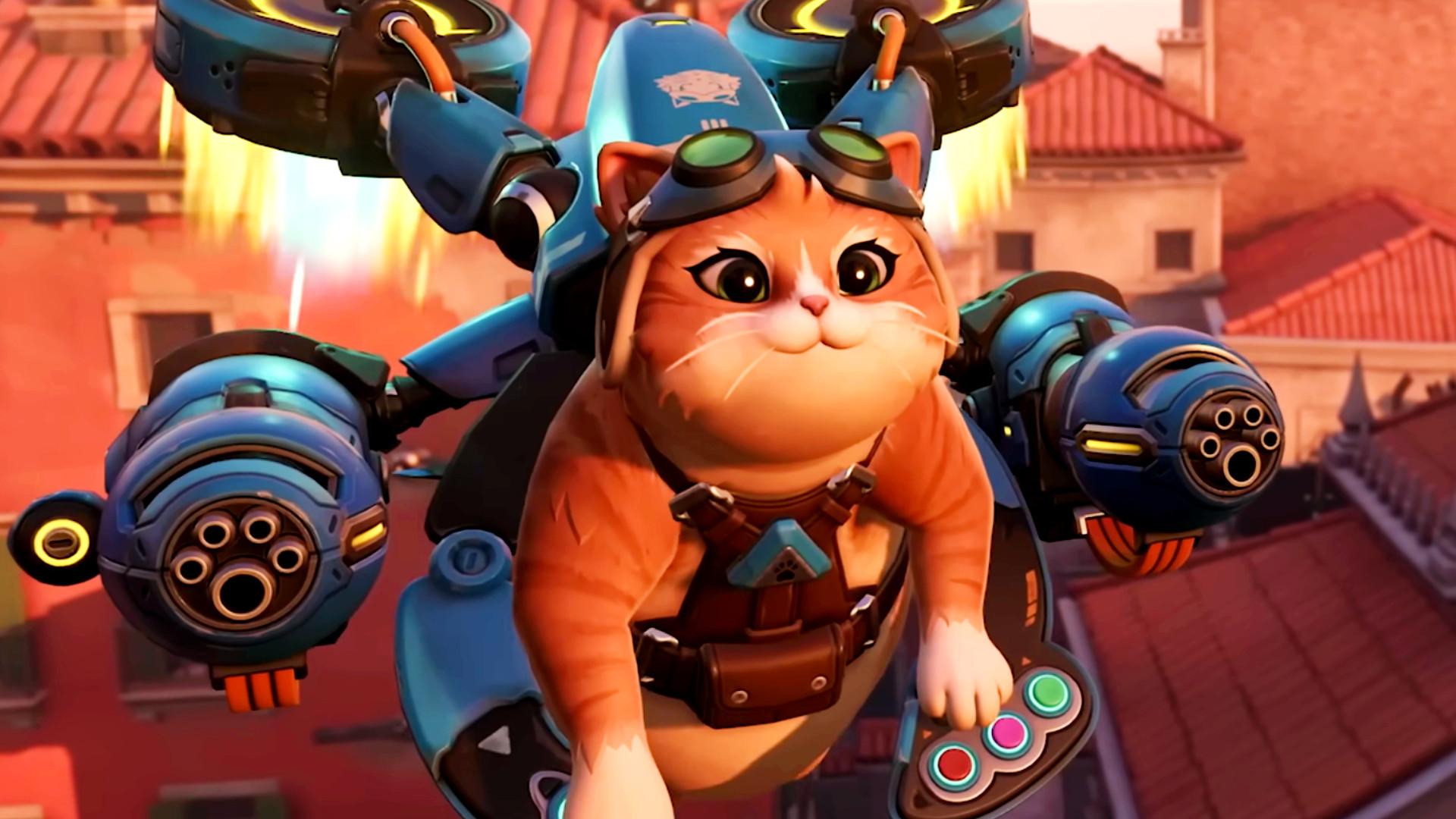
Overwatch Season 1 begins on Tuesday February 10, and in case you've been sleeping under a rock it's a titanic shift in pacing. The new update marks the start of 'The Reign of Talon,' which will see a narrative arc "with a set beginning, middle, and end" play out across six seasons, all within the course of 2026. Five new heroes are joining us right away: space-controlling tank and Vishkar president Domina; ex-Overwatch soldier Emre; Hashimoto-clan support Mizuki; fiery DPS Anran, the older sister of Wuyang; and one of the longest-running memes in the community, finally brought to life, Jetpack Cat.
Five more characters will roll out over the course of the year, as Overwatch's fight with Talon results in everything from cinematics and motion comics to map changes, fresh voice lines, and in-game events. In case you had any doubts that this tenth-anniversary shakeup is Blizzard's big rebirth gambit, it's even taken the time to deliver catch-up explainers about recent hero additions, the perks system, and Overwatch Stadium, in an attempt to help anyone that's been away from the FPS game for a while.
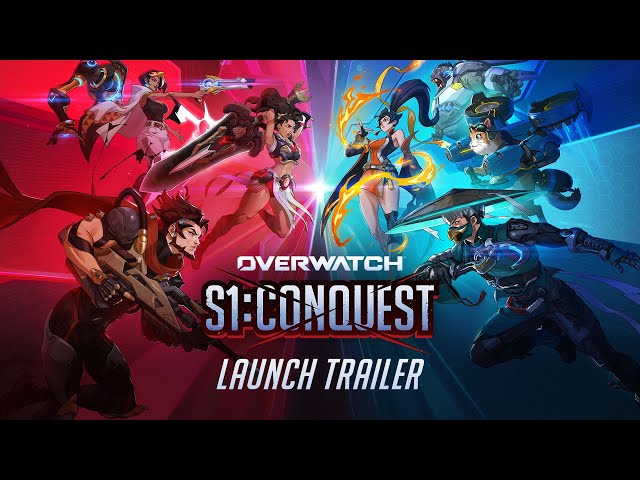
"This is the most expansive season in Overwatch history," Keller writes in his latest Director's Take, adding that "the party won't stop in Season 1." Along with the rollout of additional heroes, there will be "more maps, more systems, and more features as the year goes on." The shift is about more than just gameplay, however; "We noticed as both creators and fans ourselves that we missed that connection to the world and our heroes," Keller explains.
All of this begs one question: why now? "The obvious answer is that this year marks Overwatch's tenth anniversary," Keller answers, "but the real answer is a little more nuanced." He reveals that after the team finally accepted that the dream of Overwatch PvE, promised back before the sequel launched, was dead, "it took some time for us to find our footing and refocus on what we truly wanted Overwatch to be: a compelling, engaging FPS all about competitive PvP experiences."
2025 gave us the introduction of both hero perks and the Stadium mode, along with features like competitive hero bans, and Keller believes a lot of the core improvements made over the past twelve months had to happen before this shift. "To be honest, we couldn't have done this a year ago. Throwing ten heroes into the mix would have complicated our mission of establishing Overwatch as an FPS ready to last another decade."

"Think of it like building a house," Keller continues, "you wouldn't buy a hundred paintings before the walls were painted, would you?" He says Blizzard is "pleased with the current state of Overwatch and think this is the next logical step for our team, our game, and our story to take. Now that we have a stable foundation, we can focus on elevating and evolving Overwatch to its peak potential."
With that established, Keller takes a moment to address why the '2' is going away. "When folks think of Overwatch 2, they may have a different game in mind than the one we have in front of us right now," he remarks. "That's fair. Lots of things have changed since we originally announced a sequel. But the presence of that number led to expectations and community discussion (whether serious or not) that 'Overwatch 3' must be coming.
"It created a mental framework which locked people into the idea that dropping a big sequel was the only way to truly elevate our game," Keller explains, calling the rebrand a way to refocus. "The title you're playing right now is what Team 4 is fully committed to. We're putting our time and energy into an evolving, always-on live-service game - not a potential sequel with a release date years down the line."

I'm in full agreement. Overwatch 2 has long struggled with both not being the original game people fell in love with, and not quite feeling like a definitive sequel. As it's gone through the ups and downs of 5v5 vs 6v6, the testing and eventual failure of dedicated PvE, and all manner of poking and prodding at the likes of hero bans and role queuing, I've gradually drifted loose from a game I once loved. This moment makes me want to return in earnest.
Keller's also spot on the money about the sequel perceptions. Over in Destiny 2 land, nothing Bungie can say will ever stop a large part of the potential audience from being reluctant to return until 'Destiny 3' arrives. By stripping back its own branding, Overwatch is able to set its commitments in stone, and lay its cards clearly on the table for any potential players. "Our goal is to make Overwatch into the best possible version itself with every update, and we're thrilled to have you along for that journey," Keller concludes.

 English
 Arabic
 French
 Spanish
 Portuguese
 Deutsch
 Turkish
 Dutch
Dutch
 Russian
 Romaian
 Portuguese (Brazil)
 Greek
Greek