


José Araújo/Getty Images
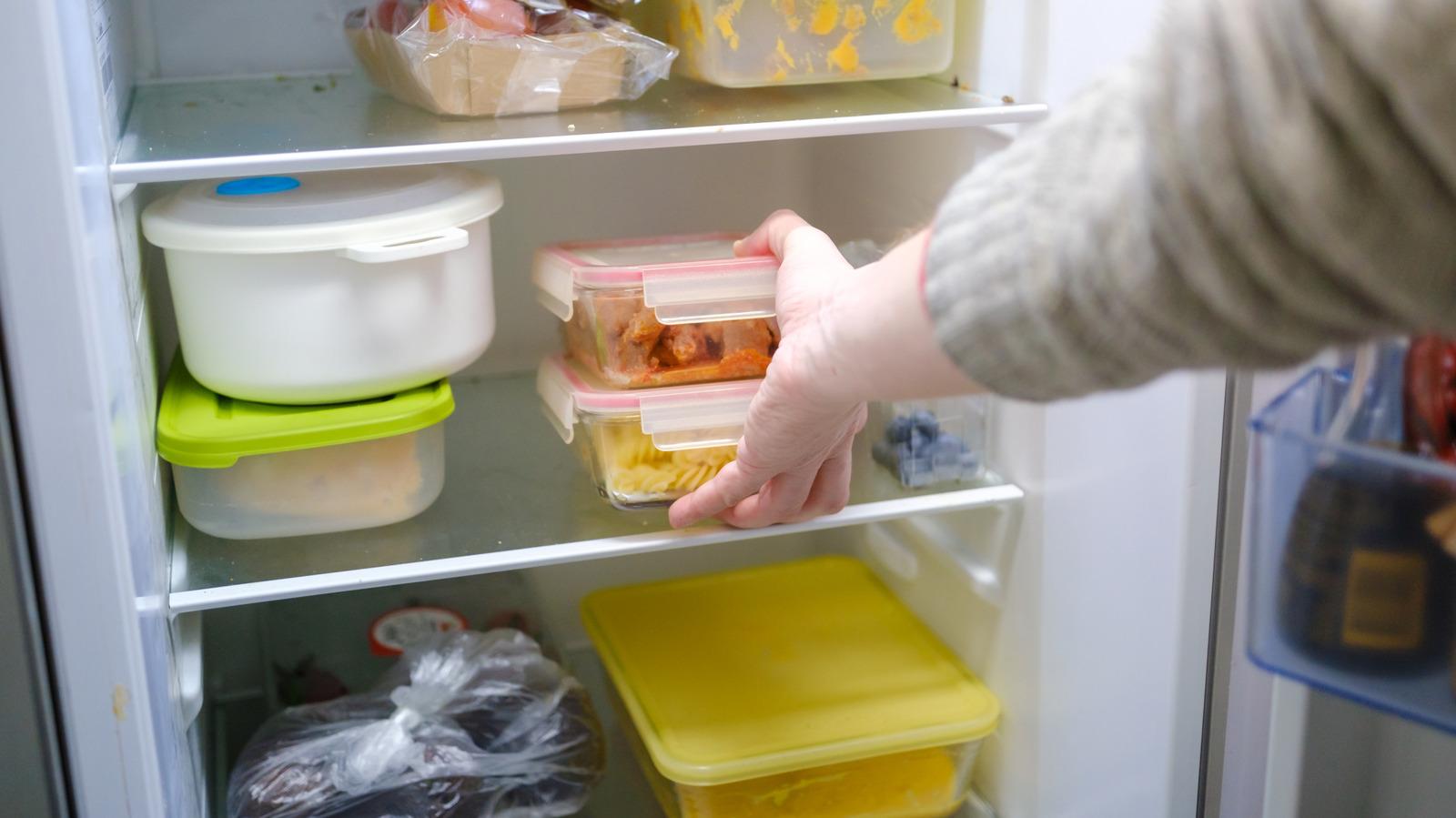
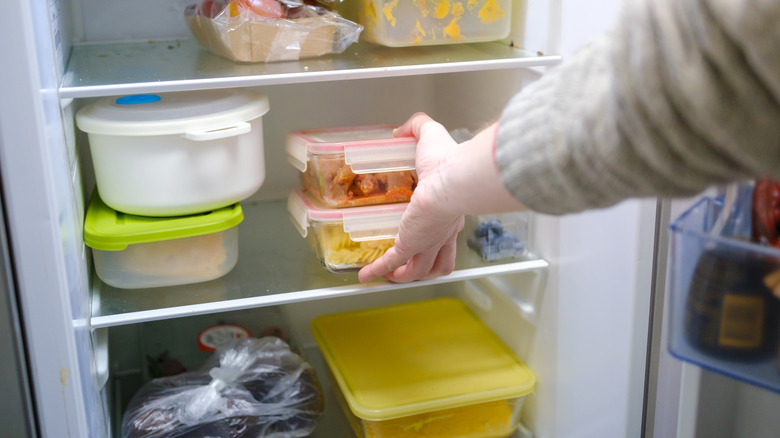
Leftovers can be an ideal way to save time, cut your food budget, and further enjoy delicious home-cooked meals that can even be better the next day. However, they don't come without risks. Preserving leftover food in a safe way requires carefully considering a few factors that determine whether bacteria have had the opportunity to multiply to dangerous levels. Fortunately, these can be easily remembered with the 2-2-4 rule.
The first "2" in this memorable shorthand represents the amount of time that hot, perishable food can be left at room temperature before being packaged and refrigerated: two hours. Beyond this time, bacteria grow to potentially harmful levels, and food should be discarded rather than saved. It's vital to remember this two-hour time isn't set in stone and varies by temperature. The USDA recommends halving this number to just one hour when ambient temperatures are over 90 degrees Fahrenheit.
Before the first "2" expires, home cooks need to activate the second. This "2" involves the depth of containers used to store leftovers, which shouldn't exceed two inches. Shallow containers allow food to cool more quickly and evenly, another key factor in slowing the growth of harmful bacteria.
4 days (or fewer) to enjoy tasty leftovers
Nicoleta Ionescu/Shutterstock
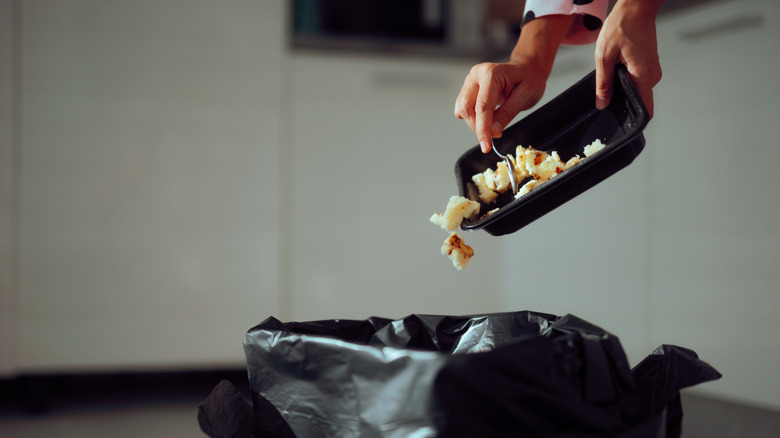
Finally, the "4" in this easy-to-remember rule determines how many days the properly cooled and refrigerated food can be safely eaten. This metric also has some give-and-take, with particularly sensitive foods only good for around three days, while others can be safely frozen, extending their life to three or four months. Items that stand among the most dangerous leftovers you might have in your fridge include pizza (which is often left out for too long), mushrooms, pasta, and even potatoes.
Although the 2-2-4 rule is relatively solid, it's vital to also be able to recognize the signs that leftovers have spoiled, which naturally override any general rules of thumb. These include a slimy film on the surface, funky odors, discoloration, and, of course, visible mold. Leftovers showing these signs should be discarded immediately.
There are many things to consider when it comes to avoiding food poisoning. Still, the simple 2-2-4 rule can go a remarkable way toward ensuring your leftovers are safe. By limiting room temperature time to two hours, storing in two-inch-deep containers for quick cooling, and consuming or tossing them within four days, you eliminate many of the risks with just a few simple procedures.

 English
 Arabic
 French
 Spanish
 Deutsch
 Turkish
 Dutch
Dutch
 Italiano
 Russian
 Romaian
 Portuguese (Brazil)
 Greek
Greek