




Connect Images/Getty Images
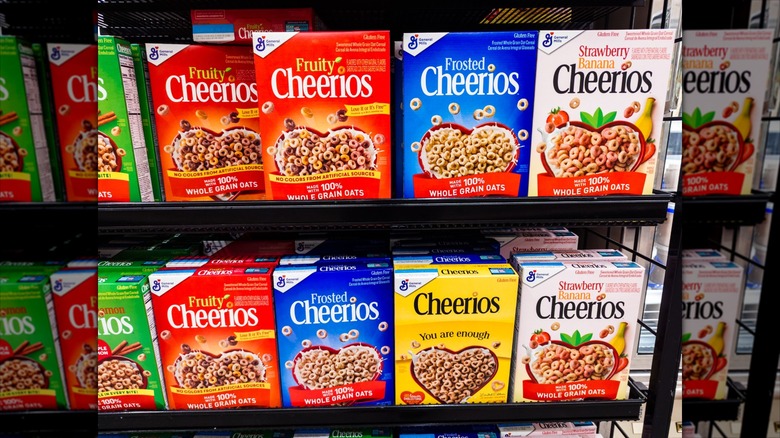
If General Mills breakfast cereals like Cocoa Puffs, Cheerios, and Cinnamon Toast Crunch frequently end up in your shopping cart, we have some potentially upsetting news for you. In our list of grocery store items that might be hard to find in 2026, General Mills and its large selection of cereals appear alongside brands like Frito-Lay and Tropicana. There are a few pertinent reasons for this potential shortage, climate issues being chief among them. Breakfast cereal is subject to extensive processing to get from raw materials (grains such as oats, wheat, and rice) to a tasty finished product. Environmental factors can affect the volume and quality of these grains, and widespread issues impact cereal production.
General Mills has faced some financial setbacks as of late. The cereal giant experienced a decrease in sales (7%) and adjusted operating profit (20%) in the second quarter of 2025 (according to a report issued by the company). That same year, the brand removed Chocolate Peanut Butter and Honey Nut Cheerios Medley Crunch Cereal from its lineup. Lagging sales and profits could be attributed to changing consumer sentiment, as many young people look to more wholesome breakfast options.
Cereal is no longer head of the breakfast table
PJ McDonnell/Shutterstock
A far cry from its current happy-fun-time reputation, cereal was invented to supplant stimulants like coffee and tea, as well as to save the public from "harmful" spices, herbs, and anything else that might add a little flavor to their lives. The food has gone far beyond its puritanical roots and is now regarded as a satisfying (if not nutritionally deficient) breakfast treat. In fact, research indicates that cereal has become progressively less nutritious, with fiber and protein decreasing over the years. Consumers today have a greater desire for wholesome, nutritious foods, and ultra-processed cereal with artificial additives and added sugar does not fit the bill.
Along with the other factors affecting the output of General Mills' cereals, this shifting consumer perception could be a component of the company's declining sales. Younger people have also stepped away from cereal as a breakfast food, instead focusing on portable options like granola bars and protein shakes, or prioritizing less-likely breakfast foods such as vegetables. Although the company is synonymous with cereal, General Mills owns many other food brands, including Betty Crocker and Pillsbury. If the cereal slowdown continues, the company may need to focus its efforts elsewhere in its portfolio.

 English
 Arabic
 French
 Spanish
 Portuguese
 Deutsch
 Turkish
 Dutch
Dutch
 Italiano
 Russian
 Romaian
 Greek
Greek