


Nayla Photograph/Shutterstock
We may receive a commission on purchases made from links.
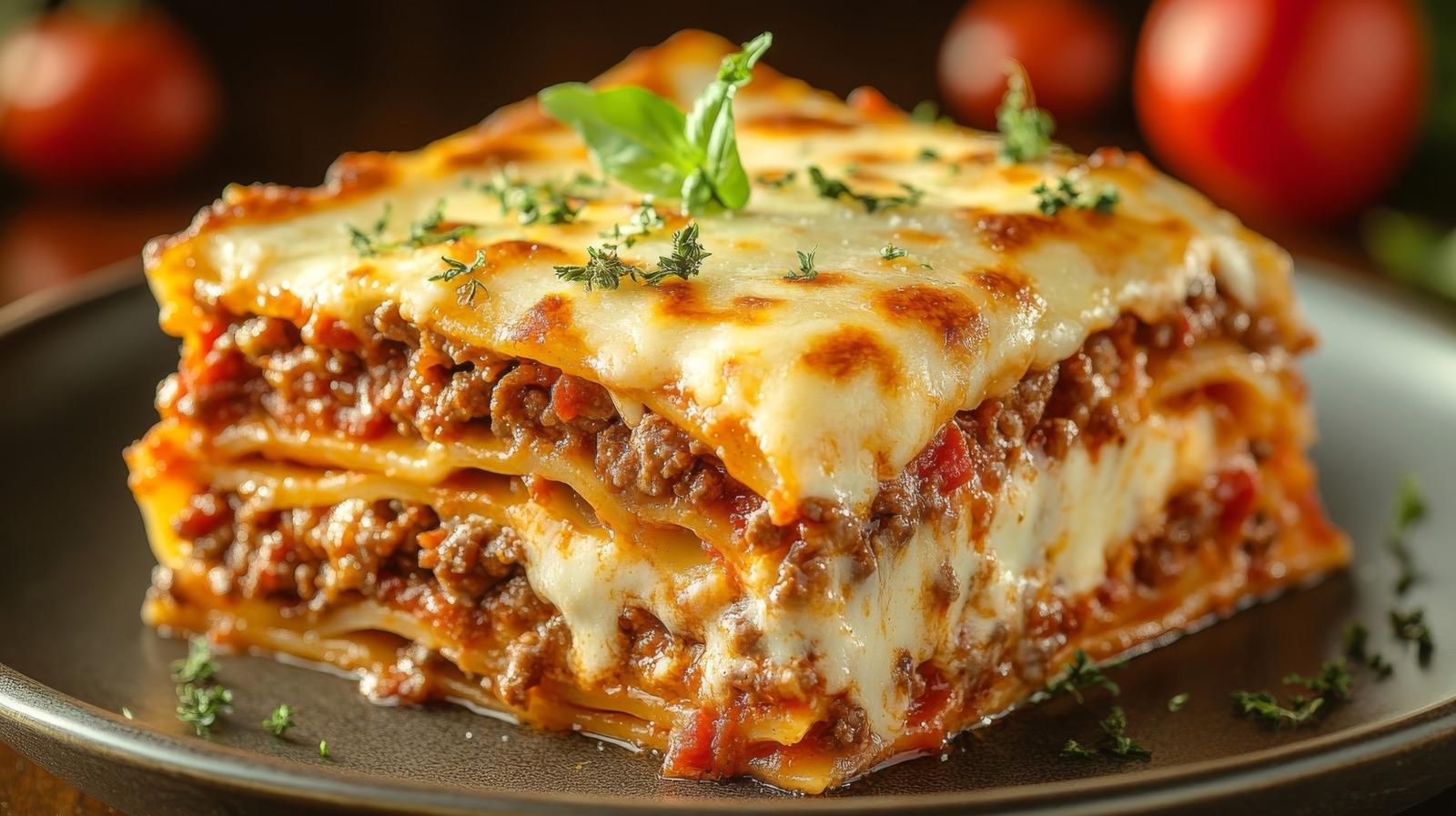
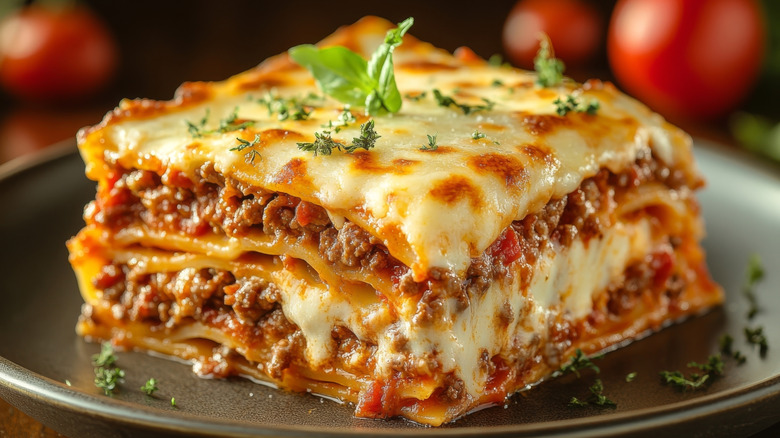
Lasagna is a classic comfort food, especially when it's homemade. The pasta dish's versatility in ingredients and preparation makes it delicious and popular. However, depending on what it's cooked in, lasagna can actually turn into a food battery. This happens when certain cooking tray materials react with some of the standard recipe's acidic components. Fortunately, this can be avoided by swapping ingredients or simply using a non-reactive pan. Lasagna batteries have been the source of bits in fictional shows like "Big Bang Theory" and "Man on the Inside," but it's not just fiction — it can actually happen in real life. Thankfully, alternative recipes and cooking vessels can avoid this kitchen mishap.
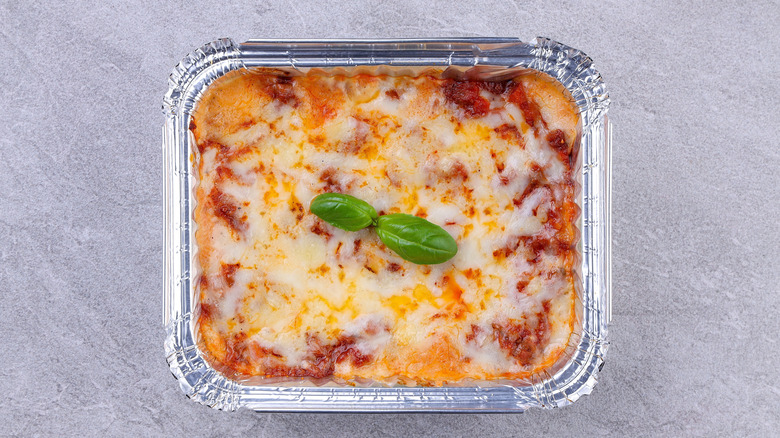
As a brief science lesson, batteries consist of 3 components: a positive cathode, an electrolyte, and a negative anode. Typically, the cathode and anode are made from two different reactive metals, with the electrolyte separating the two while allowing energy to flow between them. In the case of a traditional lasagna, the acidic tomato sauce, as well as table and garlic salt, act as conductors and react with the heat, producing a charge. Where many make a mistake with their lasagna is cooking it in a steel tray and covering it with aluminum foil. As harmless as this might sound, the metals act as a cathode and an anode, and when combined with acid and salt, they create galvanic corrosion that creates the lasagna battery. The energy created could simply burn the food; However, if there are holes in the aluminum foil, this poses a risk as the acid dissolves bits of the foil. While some believe it's safe to eat so long as the affected portions are removed, aluminum ions are microscopic, so it's best to err on the side of caution and toss it.
The best ways to avoid lasagna batteries at home
Irina Vasilieva1/Shutterstock
Thankfully, there are many ways to make lasagna without creating an accidental battery. Firstly, avoid cooking with reactive metals like aluminum, copper, and, yes, even that cast-iron pan you can't live without. The exceptions to the rule would be well-seasoned cast-iron or nonstick cookware, as these can minimize the chances of an unwanted reaction. Particularly in the case of lasagna, the best materials to use are stainless steel, Teflon, and a glass or ceramic baking tray. Ideally, look for one that comes with its own lid, like this OXO Good Grips Oven Safe Baking Dish on Amazon. And in a pinch, parchment paper could be a suitable cover in place of aluminum foil, as it's non-reactive and heat-safe up to 425 degrees.
If switching cookware is out of the question, alternating the ingredients is another option. Of course, omitting the acidic tomato sauce would be the obvious move since it's a major source of the lasagna's conductivity. It's also important not to swap one acid out for another here; so aim for, say, a white lasagna with creamy alfredo sauce instead. This variation can use turkey or chicken instead of beef and is just as hearty and comforting as the original. Lasagna roll-ups are also a fun alternative that could lower the amount of tomato sauce used, as it can be applied as a flavorful topping after baking in the oven. So, with the right cookware and a few simple ingredient swaps, you can enjoy lasagna without worrying about turning dinner into an accidental science experiment.

 English
 Arabic
 French
 Spanish
 Portuguese
 Deutsch
 Turkish
 Dutch
Dutch
 Russian
 Romaian
 Portuguese (Brazil)
 Greek
Greek