


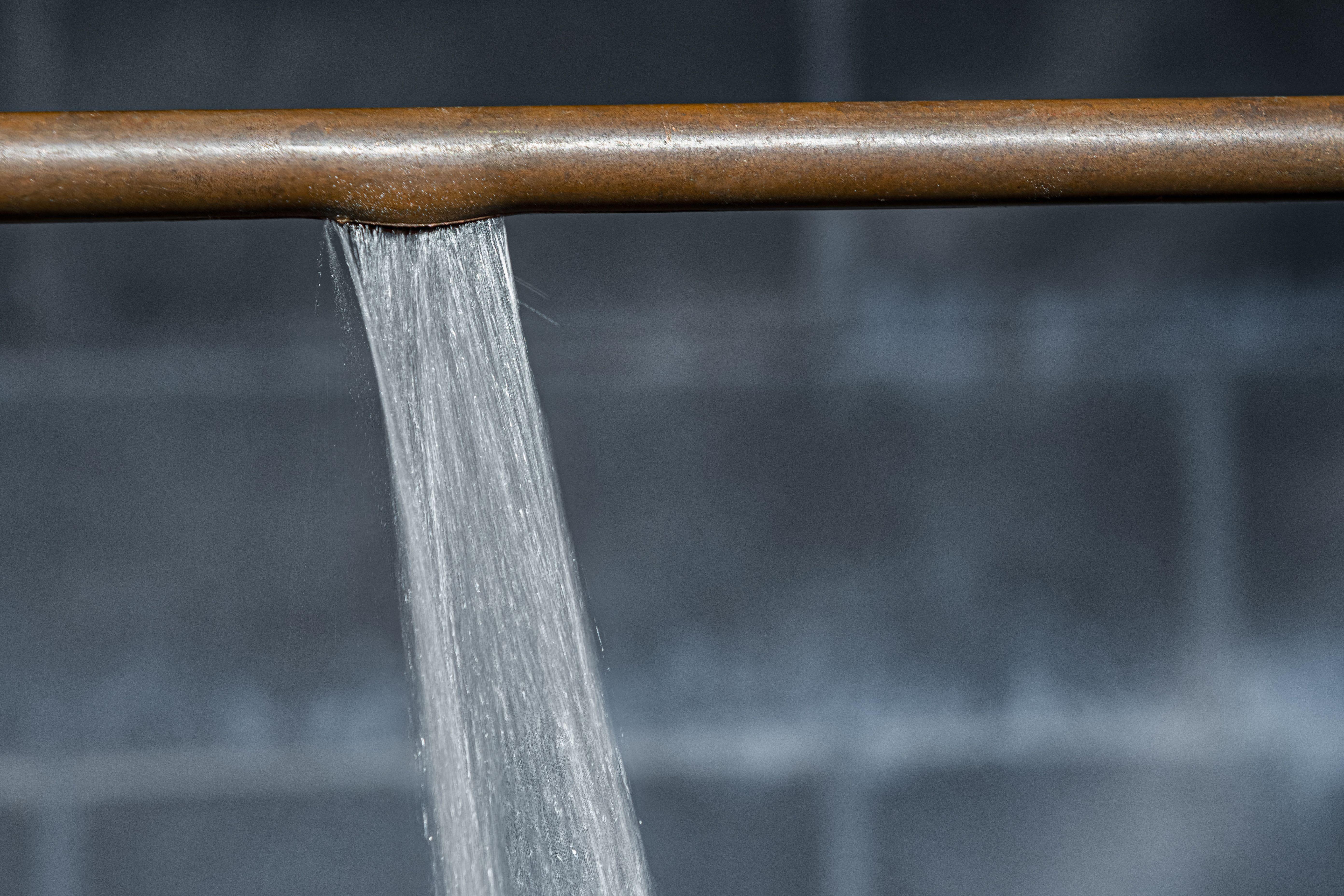
Flooding or a burst pipe can be a major disruption to your home and life. If not resolved promptly, a simple water problem can lead to costly, complex repairs to walls and the foundation, as well as mold, mildew, and poor air quality. It is even more frustrating when the source of plumbing problems isn’t inside your home, but from a neighbor’s. Communicating with your neighbor about repair costs and fixing the resulting damage to your home in one go can feel nearly impossible.
If you’re dealing with damage from a neighbor’s burst pipe, here are some practical ways to navigate questions of responsibility and the cost of necessary repairs, according to legal and insurance experts.
Who Covers the Cost of Damage Caused By a Neighbor's Burst Pipe?
If a burst pipe on your neighbor’s property results in damage to yours, then common sense would say that they are responsible for repairing the damage. However, the financial (and even legal) responsibility might depend on the type of dwelling and the cause of the burst.
“If a single-family detached home has a pipe burst that damages a neighbor’s property, the owner of the home with the burst pipe will be liable for damage to the other’s,” says David Wolkowitz, a Chicago-based attorney at The Wolkowitz Law Office. This is especially true when the pipe bursts due to negligence, such as failing to perform maintenance or necessary repairs.
There is more nuance when talking about burst pipes in buildings with shared units. “In a condo, individual owners are responsible for the walls inward and are generally not responsible for behind-the-wall plumbing,” says Wolkowitz. In such cases, there could be a dispute between multiple insurance companies. There’s a master insurance policy for shared building resources, such as the roof and the building-wide HVAC system.
Each homeowner (you and your neighbor) should have their own dwelling policy for damage within the walls of their unit. If either home has renters, they might have their own renters’ policy that covers the repair or replacement of damaged belongings, but not fixtures or the physical aspects of the unit. Always check your homeowner’s association (HOA) regulations, if applicable, to first see who’s responsible and file insurance claims across all possible companies.
How to File an Insurance Claim
“If a neighbor’s pipe bursts and damages your home, you almost always file under your own homeowners insurance, because proving negligence is extremely rare,” says Erika Tortorici, owner and founder of Optimum Insurance Solutions. “These events are treated as accidents, and that’s exactly what insurance is designed for.”
If it is safe to do so, take photos of the damage and report the incident to your insurance company immediately. A clause could state that coverage applies only if the problem is reported to the insurer within a specified period after the incident. Typically, your insurance will cover immediate repairs to ensure the home remains safe and livable. They will review your policy and try to recover the money from your neighbor’s insurer.
Always check whether your homeowner’s insurance policy covers flooding and other kinds of water damage. If that is an exclusion in your policy, you might need to cover the immediate repairs yourself and then work with the neighbor’s insurer to be reimbursed.
What Role Do Homeowners Associations Play?
“In condo or HOA situations where owners might share walls, utilities, or common piping, there are limited scenarios where negligence can be proven,” Tortorici adds. “In those cases, insurers might pay the claim for their own policyholder and then pursue the at-fault owner through subrogation to recoup costs.”
In HOA-governed communities, responsibilities become more complex. In condos or buildings, HOAs are responsible for flooding in common areas, such as hallways, roofs, stairwells, and exteriors. Anything in-unit, like appliances or interior plumbing, is the owner’s responsibility.
If there is water damage, identify the source of the flooding, review the HOA governing documents and regulations, and work with insurance providers to determine the extent of coverage and what the HOA insurance can cover, given any overlapping responsibilities.
Related
Water Damage Practicalities to Keep in Mind
If you’re experiencing property damage from flooding, act fast to mitigate further water damage. Move valuables, dry out anything you can, and use fans or dehumidifiers to stave off mildew and mold. However, don’t start major repairs until insurance adjusters have assessed the damage and determined which costs are covered by the policy.
Document everything—take photos of the damage, save any emails from the insurer or HOA, and keep receipts for emergency purchases, including temporary housing costs if your home becomes uninhabitable.
Importantly, be civil with your neighbor. Depending on the extent of the damage, this is something you’ll likely be dealing with together for the near future—and you’ll still be neighbors after the repairs are completed.
How to Start a Conversation with Your Neighbor About the Issue
Shared property damage, intentional or not, can easily strain relationships between neighbors. If the water damage is severe, it’s important to prioritize your family’s safety and mitigate further harm before speaking with neighbors.
If you initiate a conversation with your neighbor first, do so in writing. Don’t assign any blame to them or yourself. Acknowledge that if you have damage, they likely do too, but they usually don’t know the extent of your water damage until you share photos. Reiterate that resolving the problem is a collaborative effort, but do not overstep by assuming responsibility for costs.
If they seem overwhelmed, you can offer to collect their insurance policy information and connect them directly with your insurer. Keep things polite without absolving responsibility. Avoid saying things like, “Don’t worry about it,” which might be open to interpretation.
Problems might arise if any insurance policy does not cover flooding or if any party becomes unresponsive. If your neighbor doesn’t have insurance or refuses to use it in this case, they can pay for your damages out of pocket, and if you are open to it, you might negotiate a repayment plan. In the worst-case scenario, you could need to file in small claims court. This is when keeping records of conversations and photographs of the damage becomes particularly important.

 English
 Arabic
 French
 Spanish
 Portuguese
 Deutsch
 Turkish
 Dutch
Dutch
 Italiano
 Russian
 Romaian
 Greek
Greek