


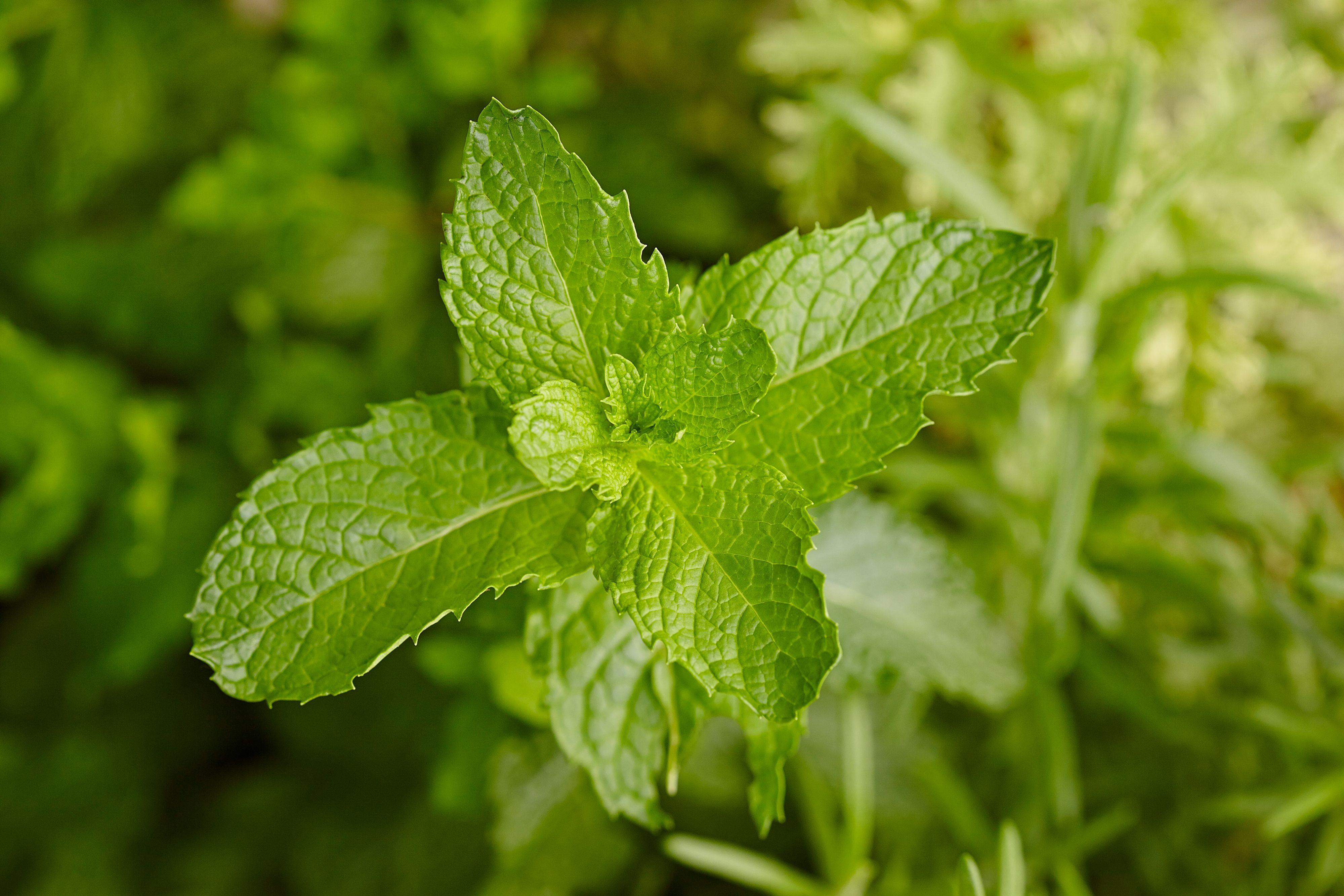
Key Takeaways
- Use the average last frost date in your area as a key date to calculate when to start herb seeds indoors.
- Annual herbs tend to grow faster than perennial herbs and are started 4 to 8 weeks before the last frost.
- Perennial herbs are slower to germinate and grow; some need to be started as early as 10 to 12 weeks before the last frost.
Successfully growing herbs from seeds is all about getting the timing right. Knowing when to start herbs from seed ensures your plants are ready to be transplanted when the weather warms up. By starting herb seeds indoors, you’ll get a head start on the growing season outdoors, which shortens the time between planting and harvesting. Some of the herbs grow so fast that they will be ready for a spring harvest.
Herbs vary greatly in their growth rate, so how long it takes to grow herbs from seed varies. Whether you want to plant annual, perennial, or seasonal herbs, we'll tell you when to start herbs from seed, when to transplant the herb seedlings into your garden, and which herb seeds to better direct sow.
Focus on the Last Frost Date
Before you start herbs indoors, you’ll need to read the seed packet of each. It will not only tell you the ideal timeframe to start the seeds indoors, but also when to plant the seedlings outside.
A key date to determine the ideal timing is your area's expected last spring frost date, which is when it's safe to plant many types of herbs in the garden. To determine when to start any given seeds indoors, count back from your average last frost date the number of weeks that it takes to grow an herb seedling to transplanting size.
In your calculation, don't forget to account for the time it takes seeds to germinate. Dill, cilantro, and basil germinate within days, whereas parsley is notoriously slow to germinate and takes up to three weeks.
Related
Annual herbs are plants whose life cycle is completed in one year. These include both herbs that thrive in cooler weather, such as dill, as well as tender herbs that won’t survive a frost, such as basil. Some herbs, such as marjoram, are botanically perennials but are grown as annuals in cooler climates or, if potted, can be brought indoors in the fall for overwintering.
The timeframe to start annual herbs in seed starting trays ranges from 4 to 8 weeks before your area’s expected last spring frost. Check the seed packet for the precise timing. Also, keep in mind that warm-season herbs are sensitive not only to frost but to cold temperatures, so you’ll need to wait to transplant these herbs until the soil has reached a temperature of 60 to 70°F.
When to Start Perennial Herbs from Seed
Perennial herbs tend to take longer to establish when grown from seed, so they’ll need to be started indoors earlier than annual herbs. The tradeoff is that they come back every year, and they are usually low-maintenance.
To get a head start on the growing season, start slow-growing perennial herbs such as rosemary and lavender 10 to 12 weeks before your expected last frost. Start perennial herbs with a moderately slow growth rate, such as chives, oregano, sage, and thyme indoors 8 to 10 weeks before your average last frost date.
Although many perennial herbs are hardy and often withstand freezing temperatures when mature, the seedlings are more vulnerable to the cold. Make sure to plant them after there is no longer any danger of frost.
Peter Krumhardt
When to Transplant Herbs Outdoors
Once your herb seedlings have grown their first set of true leaves, it's best to transplant them to a larger container so the plants don't become root-bound in the seedling trays. The seedlings also require plenty of bright light, or they become leggy. Use grow lights to supplement natural light if needed.
After the herbs have grown more leaves and the weather has warmed up, the seedlings need to be hardened off for about a week before they can be transplanted into the garden.
Some herbs perform better if they’re directly sown outdoors instead of being started indoors and then transplanted into your garden. The process of planting the seeds straight into the ground is easy. Just be sure you pay attention to the temperature requirements for seed germination, as they vary from herb to herb. Some herb seeds can be planted right after the last frost, while most warm-season herbs need higher soil temperatures.
Best Herbs to Direct Sow
While some herb seeds do well when started indoors, a few are best directly sown outdoors in spring. The following seeds don't tolerate transplanting well or they grow quickly enough in cooler weather that starting them inside won't give you much of a head start.
- Dill: Sow dill seeds directly into the soil after the last frost, 1/4 inch deep and 1 to 2 inches apart in rows about 6 inches apart. Seeds usually germinate in 7 to 14 days. If you want the dill plants to self-sow, plant them in clumps and let the plants flower and set seeds, which will drop and germinate later in the season. For a continuous source of fresh dill, consider succession planting every other week or so.
- Cilantro: Plant cilantro in mid-spring after there is no more danger of frost and the soil temperature is between 65 and 70°F. Sow seeds ¼ to ½ inch deep and ½ apart, in rows 12 to 18 inches apart. Germination may take anywhere from 10 to 20 days. To ensure a constant supply of fresh cilantro, sow seeds every two to three weeks.
- Borage: Sow borage seeds directly into the ground after the threat of frost has passed. Cover the seeds with ½ inch of soil. Seeds usually germinate in 5 to 10 days.
- Fenugreek: Directly sow fenugreek seeds in your garden once the spring frost danger has passed, and the soil is warm (between 65 and 70°F). Plant seeds approximately 1/4 inch deep. You’ll see seedlings sprout within the first week.
- Summer savory: Place your savory seeds 12 to 18 inches apart and don't cover them with more than 1/8 inch of soil, as light helps them germinate. The seeds typically germinate in 7 to 14 days. Sow a new crop of savory every 3 to 4 weeks to ensure a continuous supply.

 English
 Arabic
 French
 Spanish
 Portuguese
 Deutsch
 Turkish
 Italiano
 Russian
 Romaian
 Portuguese (Brazil)
 Greek
Greek