


Scarves Market Outlook with Market Share Insights Across Online and Specialty Retail Channels
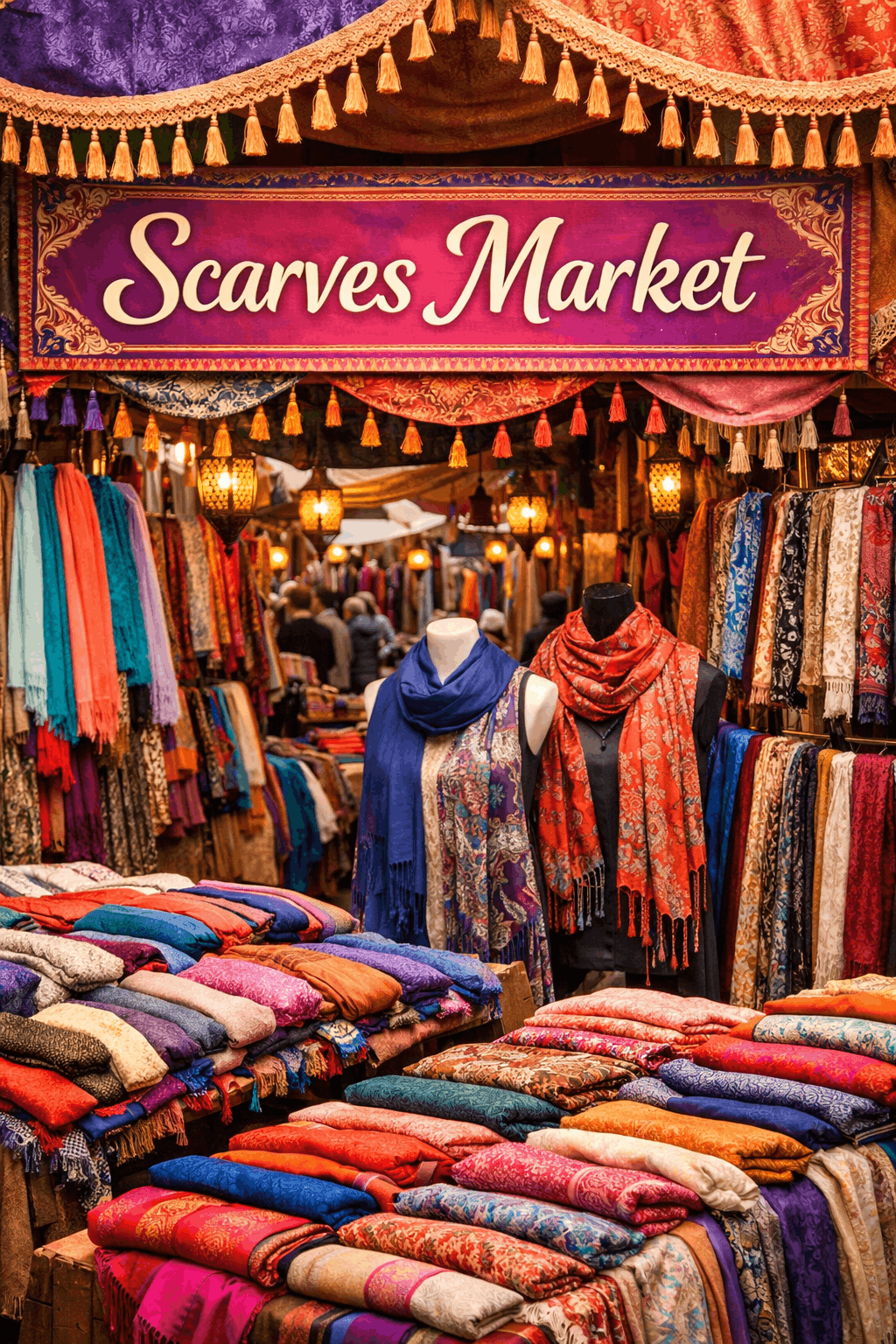
The Scarves Market represents the global industry involved in designing, manufacturing, branding, and selling scarves used for fashion styling, functional comfort, cultural wear, and lifestyle expression. Scarves are no longer limited to seasonal winter demand. They are now year round accessories that support premium fashion positioning, daily casual styling, and sustainable wardrobe choices. The market’s competitive landscape is strongly influenced by how brands perform across online retail and specialty stores, which remain the two most impactful distribution channels for visibility and revenue contribution.
Market Outlook and Channel Driven Growth
The scarves industry outlook remains positive as accessories continue to gain importance in modern wardrobes. Consumers increasingly prefer products that deliver high styling impact with flexible use, making scarves an attractive category across age groups. Market share patterns are shifting as digital shopping habits expand, while specialty stores maintain a strong role in premium purchase journeys.
Online retail is strengthening its market share due to convenience, wider assortment, and continuous discovery through social commerce. Specialty stores continue to contribute significantly, especially for premium and luxury scarves where physical experience, brand storytelling, and fabric feel influence purchasing decisions. Many brands are now adopting hybrid strategies, using specialty stores for experience and online platforms for scale.
Sample PDF:- https://www.theinsightpartners.com/sample/TIPRE00026422
Distribution Channel Insights
Online Retail Channel
Online retail is gaining stronger market share % in the scarves market due to multiple structural advantages. Consumers can explore a wider range of materials, colors, and price points in a short time. Product discovery has become heavily influenced by social media, influencer styling, and short form fashion content, which drives high intent traffic to e commerce listings. Online platforms also enable brands to use data driven merchandising by tracking demand trends, optimizing inventory, and launching quick seasonal collections.
Online retail supports both luxury and casual segments. Luxury brands increasingly use official web stores to maintain premium brand control while expanding global reach. Casual and mid range brands benefit from marketplaces and multi brand fashion platforms that accelerate volume growth. Personalized recommendations, bundle offers, and easy returns further improve conversion rates, supporting online share % expansion.
Specialty Stores Channel
Specialty stores remain a strong distribution channel, especially for luxury and premium scarves. Many buyers still prefer to touch fabrics such as silk, satin, and wool blend before purchasing. In store experiences improve product confidence and support higher average order value. Specialty stores also enable exclusive collections, limited releases, and stylist guidance, all of which strengthen brand loyalty.
Specialty retail also plays a strong role in gifting purchases and premium seasonal demand. Visual merchandising, packaging quality, and storytelling around craftsmanship often improve perceived value and support repeat purchases. For high end brands, specialty stores help maintain exclusivity, which can protect pricing and market share in premium segments.
How Market Share Shifts Between Online and Specialty Stores
Market share allocation depends on brand positioning, product type, and consumer profile. Casual and unisex scarf purchases increasingly move online due to convenience and pricing transparency. Luxury scarf purchases still rely heavily on specialty stores, but online luxury sales are growing due to improved digital experiences, better authentication, and premium packaging options.
Brands that integrate omnichannel strategies gain stronger competitive advantage. Click and collect, online catalog browsing followed by store pickup, and exclusive online drops supported by in store storytelling are becoming common approaches to increase channel efficiency and defend market share %.
Segmentation Snapshot
The scarves market is categorized by material type, end user, and distribution channel.
By material type, wool and wool blend, silk, satin, and cotton support different usage occasions and price positioning.
By end user, men, women, and unisex segments show increasing demand with fashion inclusivity trends.
By distribution channel, specialty stores and online retail remain the key routes to market expansion and brand visibility.
Key Players Competing Across Retail Channels
- Guccio Gucci S.p.A.
- BVLGARI
- CK Stores BV
- A.P.C.
- Balenciaga
- AMI Alexander Mattiussi
- Gianni Versace S.r.l.
- PRADA
- RALPH LAUREN
These companies compete through brand equity, design leadership, premium material choices, global retail presence, and increasing focus on digital commerce strategies.
How is online retail changing scarf market share % dynamics?
Online retail increases accessibility, accelerates trend adoption, and supports price comparison. Brands with strong digital marketing and efficient delivery often expand market share faster in online channels.
Why do specialty stores remain important despite online growth?
Specialty stores support premium buying decisions through fabric touch, styling help, curated collections, and brand experience. This channel also protects premium pricing and loyalty.
Which channel is more attractive for investors in the scarves market?
Online retail offers scalable growth and broader reach, while specialty stores support stronger margins and premium positioning. The most attractive strategy is often an omnichannel model that strengthens both.
Future Outlook
The scarves market is expected to evolve through stronger digital commerce penetration, premiumization of product lines, and improved specialty store experiences. Online retail will continue gaining share % through social commerce, personalization, and faster fulfillment networks. Specialty stores will remain essential for luxury storytelling, premium product trials, and exclusive launches. Brands that balance both channels with consistent branding, sustainable materials, and data led merchandising are likely to strengthen long term market positioning and growth potential.
Top of Form
Bottom of Form
Related Report:- Loofah Market Size and Forecast by 2031

 English
 Arabic
 French
 Spanish
 Portuguese
 Deutsch
 Turkish
 Italiano
 Russian
 Romaian
 Portuguese (Brazil)
 Greek
Greek