


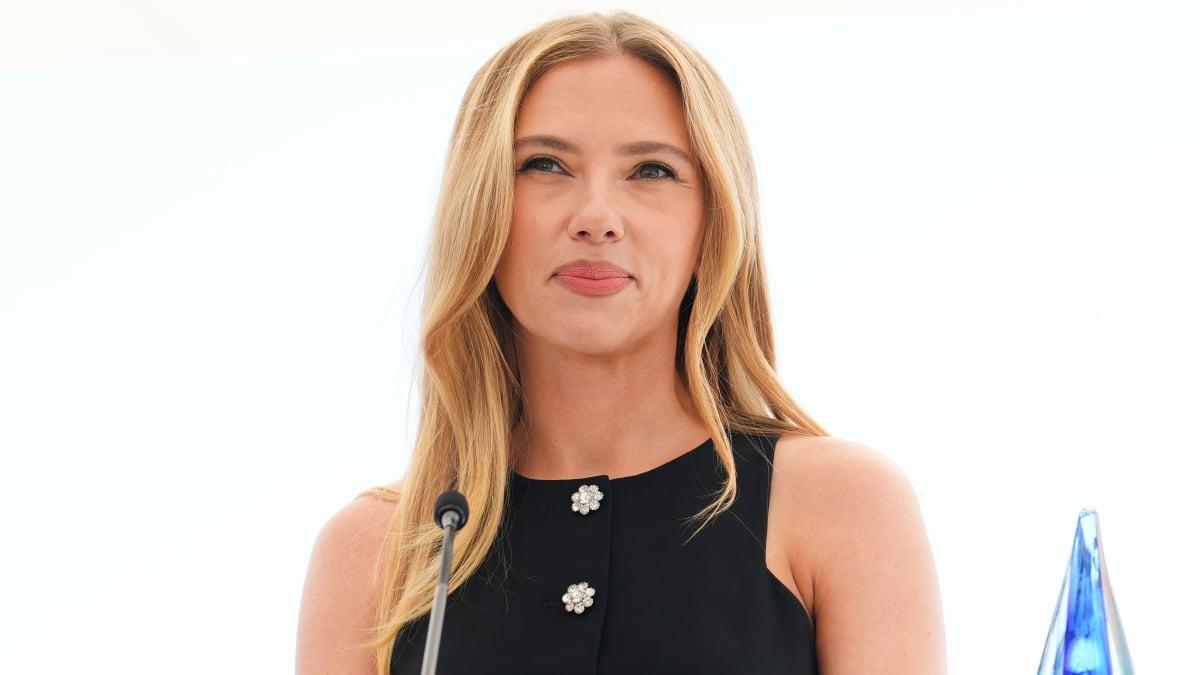
A group of hundreds of artists — including big names like Scarlett Johansson, the band R.E.M, and Cate Blanchett — endorsed a campaign against AI slop, railing against "theft at a grand scale" from the major artificial intelligence companies.
The campaign, dubbed Stealing Isn't Innovation, is backed by the Human Artistry Campaign, an advocacy group that works with artists and performers. You can see the full list of signees at the movement's website — but it's an impressive collection of more than 800 folks. Johansson was involved in a famous, public spat with OpenAI over accusations that it improperly used her voice. And funnily enough, rapper/actor Common is on the list after starring in memorable AI commercials for years.
"Driven by fierce competition for leadership in the new GenAI technology, profit-hungry technology companies, including those among the richest in the world as well as private equity-backed ventures, have copied a massive amount of creative content online without authorization or payment to those who created it," a press release reads, via The Verge. "This illegal intellectual property grab fosters an information ecosystem dominated by misinformation, deepfakes, and a vapid artificial avalanche of low-quality materials ['AI slop'], risking AI model collapse and directly threatening America’s AI superiority and international competitiveness."
Mashable Light Speed
As we've covered at Mashable, low-quality AI materials — aka slop — have spread widely on social media feeds. And AI companies have used the work of artists to train AI models. The Stealing Isn't Innovation campaign calls for licensing agreements, better enforcement, and the right for artists to opt out of their work being used to train generative AI. The Verge reported the campaign will run ads in news outlets and on social media in an effort to spread its message.
Publishers and content owners have agreed to a number of licensing deals — Disney, for instance, inked a $1 billion deal with OpenAI — but artists still take issue with models training on vast amounts of content online. The AI companies have argued that they're protected by fair use, while artists have said the companies should be required to get permission and pay for using works.
Disclosure: Ziff Davis, Mashable’s parent company, in April 2025 filed a lawsuit against OpenAI, alleging it infringed Ziff Davis copyrights in training and operating its AI systems.

 English
 Arabic
 French
 Spanish
 Portuguese
 Deutsch
 Turkish
 Dutch
Dutch
 Italiano
 Russian
 Romaian
 Greek
Greek