


The next Europa Universalis 5 update tackles its awkward UI, and adds a beloved feature from EU4's DLC
The next Europa Universalis 5 update tackles its awkward UI, and adds a beloved feature from EU4's DLC
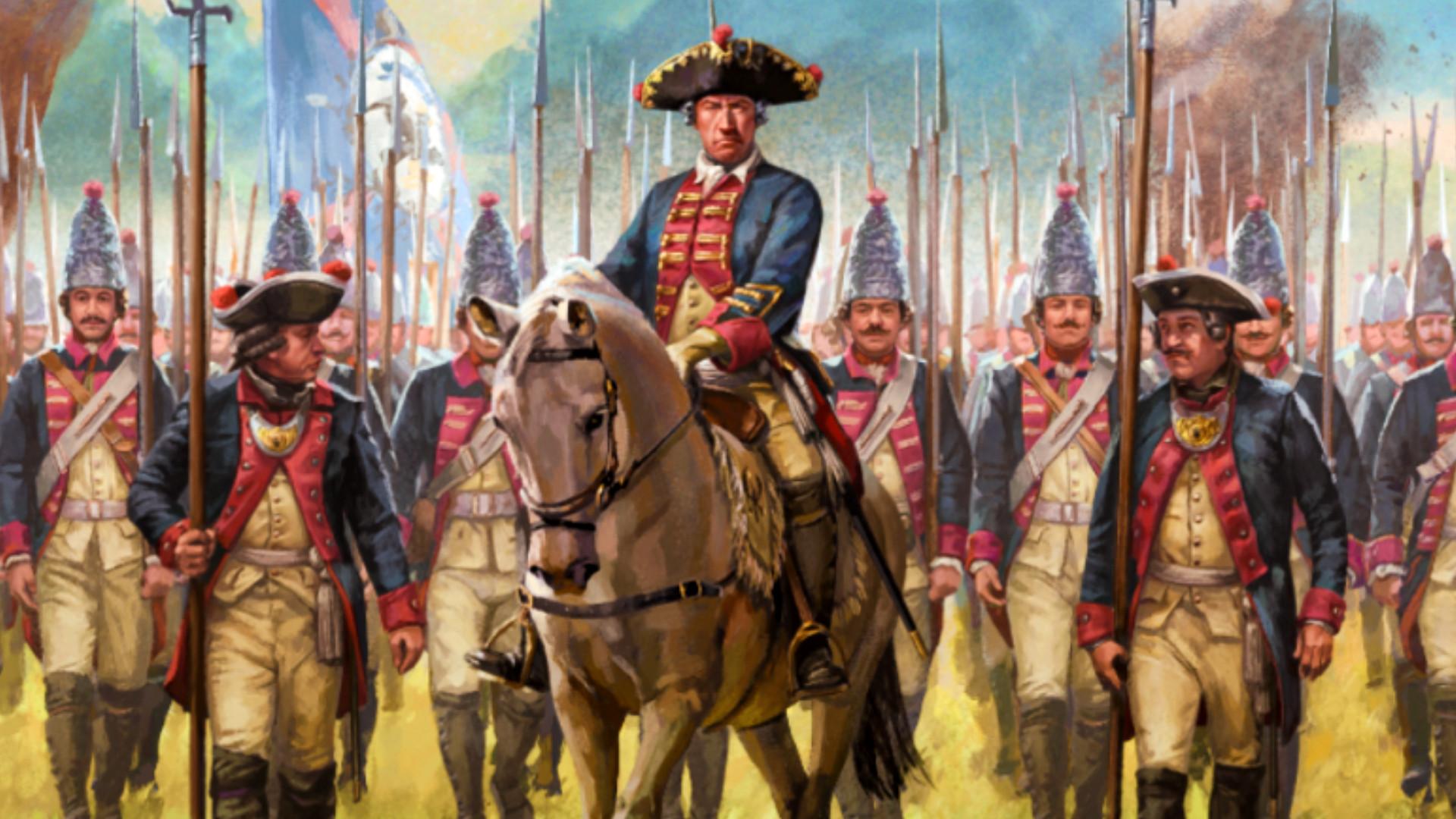
Europa Universalis 5 marks the rebirth of one of Paradox's defining grand strategy games, and that sort of fresh start always comes with some teething issues. To development studio Paradox Tinto's credit, EU5 doesn't make the mistake of simply trying to be EU4-2, and instead leans into its own strengths. It's got a great core, but that can't compete with the decade-plus of support and expansions its predecessor boasts, and the further we get from launch the more you can see those frustrations pop up among a community that initially met it with a pretty positive response. Enter Europa Universalis 5 update 1.1, which is set to be the first step on that road to building those strong foundations into a house that stands the test of time.
The first big Europa Universalis 5 update, dubbed 'Rossbach,' is still on its way, but the developer has outlined some of the big overhauls it's bringing to the table. UI has been one of the most common complaints; it's always tough to handle the sheer number of inputs and outputs that Paradox's GSGs throw your way, but EU5 turns into a mess of nested windows far too easily, and it doesn't always result in finding the information you were looking for. Patch 1.1 aims to fix that with quite a few welcome additions and alterations.
Filters can now be pinned for each individual screen, causing them to auto-select when you open it. Alerts that you're sick of constantly receiving can be permanently muted (don't worry, there's a menu to find those you've silenced in case you realize you need one back). A 'mass upgrade' feature has been added to buildings. There are automation toggles for unit formations if you don't like micromanaging your armies. If you do, however, there are new ways to move all units of a given category or sub-category simultaneously.
Mercenary recruitment has been made more visible and simpler to use, with an auto-selection option alongside the ability to dig in and select a more precise loadout yourself. The Army and Navy builder from EU4's Art of War DLC has also been introduced; Paradox Tinto acknowledges that as one of the most-beloved expansion features from the last entry, it had become "something you expected from an EU game."
As before, the tool will let you compose and save templates to use any time you want. You can then pull it up from the macro-builder and quickly request a stored composition, causing units to be built "in as many locations nearby the selected location as possible." Once they're ready, they'll march or sail (as appropriate) to the desired rendezvous point and form a combined army.
Speaking of your forces, you're now able to collapse the single-unit and multi-unit screens to keep them out of the way while you're looking at the map. Following another EU4 convention, there's now a second 'detach and select' option alongside the regular detach command. Calls into war now have a much more visible notification so you can't miss them, while the end-of-war screen has been improved to include a more substantial roundup of casualties akin to the one in Europa Universalis 4.

There are a whole bunch of new map modes, allowing you to display all manner of heat maps and breakdowns. You can check the economical base, the market food balance, rivers, coalitions, and more. One particularly helpful inclusion is 'AI conquer desire,' which shows you where your computer-controlled rivals are focusing their attention most. There's also 'threat,' which estimates how dangerous a given country is by direct comparison to yours.
Looking at market prices, you'll now be shown exactly how effective supply and demand are impacting the price, along with checking historical rates. The estate economy screen has been "reworked entirely" and now displays all influential factors clearly. Following the introduction of production efficiencies to the building menu in 1.0.10, you'll now be shown the potential production efficiency of constructions you're considering.
"There are a lot of other minor UI things, improved tooltips, small quality-of-life things, and more coming, including embarking on units with as many as you can in one click," studio manager Johan Andersson writes. Expect to hear more from the team next week, with a deeper dive into the "economy, food, and colonial reworks" coming in Europa Universalis 5's first major update.

We are given a couple of gameplay teasers, however. Privateering has been expanded from a simple way to harass your rivals' maritime presence and raid slaves, and will offer the ability to earn gold in an area. Topography bonuses have been implemented to the likes of Austria to give them a slightly easier time among the mountains. Rather facing tiny uprisings when your standing army is already massive, rebellions with insufficient pop support will instead apply a debuff to the locations where they have taken hold.
Finally, there's the new complacency mechanic. "One of the major complaints with our games is that there are no mechanics to simulate why empires decline," Andersson explains. To better represent this, your complacency stat will gradually increase if you have no threatening rivals, and can cause some serious penalties if you let it grow too large. Nothing inspires progress like a good old spot of conflict, after all.
There's no date for Europa Universalis 5 update 1.1 'Rossbach' yet, but hopefully we'll get one soon as Paradox Tinto rounds out the last few details. It's certainly shaping up to answer some of the key criticisms, so hopefully that's a good sign for EU5's long-term future.

 English
 Arabic
 French
 Spanish
 Portuguese
 Deutsch
 Dutch
Dutch
 Italiano
 Russian
 Romaian
 Portuguese (Brazil)
 Greek
Greek