


7. The Cold War and Containment Policy

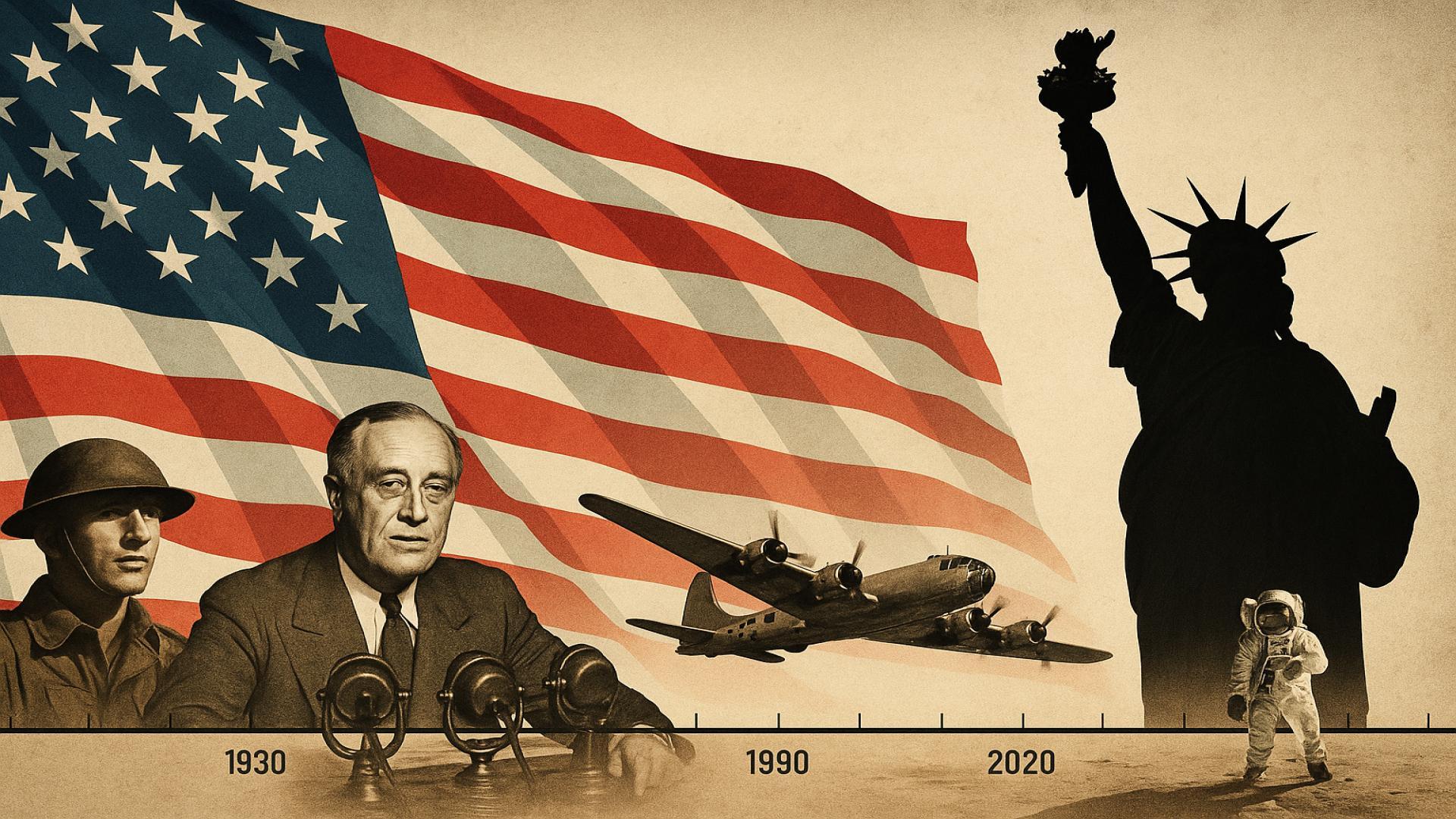
The Cold War, spanning from the mid-1940s to the early 1990s, was characterized by intense rivalry between the United States and the Soviet Union. In response to the perceived threat of Soviet expansion, the U.S. adopted a policy of containment, aiming to prevent the spread of communism. This strategy was articulated by diplomat George F. Kennan in 1947, who advocated for a “long-term, patient but firm and vigilant containment of Russian expansive tendencies” (history.state.gov). Central to this policy was the establishment of the North Atlantic Treaty Organization (NATO) in 1949. NATO was a collective defense alliance among Western nations, committing member states to mutual defense against aggression. This alliance served as a deterrent against Soviet expansion in Europe. The containment strategy also led to U.S. involvement in various global conflicts, including the Korean War (1950-1953) and the Vietnam War (1955-1975), as part of efforts to prevent the spread of communism in Asia.


 Arabic
 French
 Spanish
 Portuguese
 Deutsch
 Turkish
 Dutch
Dutch
 Italiano
 Russian
 Romaian
 Portuguese (Brazil)
 Greek
Greek